对不起 是不是踩到你了
“Sorry, did I step on you?”
THE DIALOGUE REEL
没事儿
“It's fine.”
对不起 是不是 踩到你了
“Sorry, did I step on you?”
我不是故意的 对不起啊
“I didn't mean to. I'm sorry.”
Direct spoken expression in this communicative setting.
In crowded public spaces such as subways, buses, or busy streets, accidental physical contact is inevitable. People typically defuse awkwardness and avoid potential conflict by quickly offering an apology (like 'dui bu qi' or 'bu hao yi si') and checking on the other person ('did I step on you?').
LEARNING CHUNKS & PARTICLES
used to make a guess or confirm whether something has happened
A highly frequent colloquial pattern used to gently seek confirmation from someone, carrying a mild and polite tone.
to step on someone or something
A verb-complement structure (verb 'cai' + resultative complement 'dao'), often used when apologizing for accidental physical contact in public spaces.
VOCABULARY & EXPRESSIONS
Parallel Spoken Cinema Scenes (语义近邻切片)
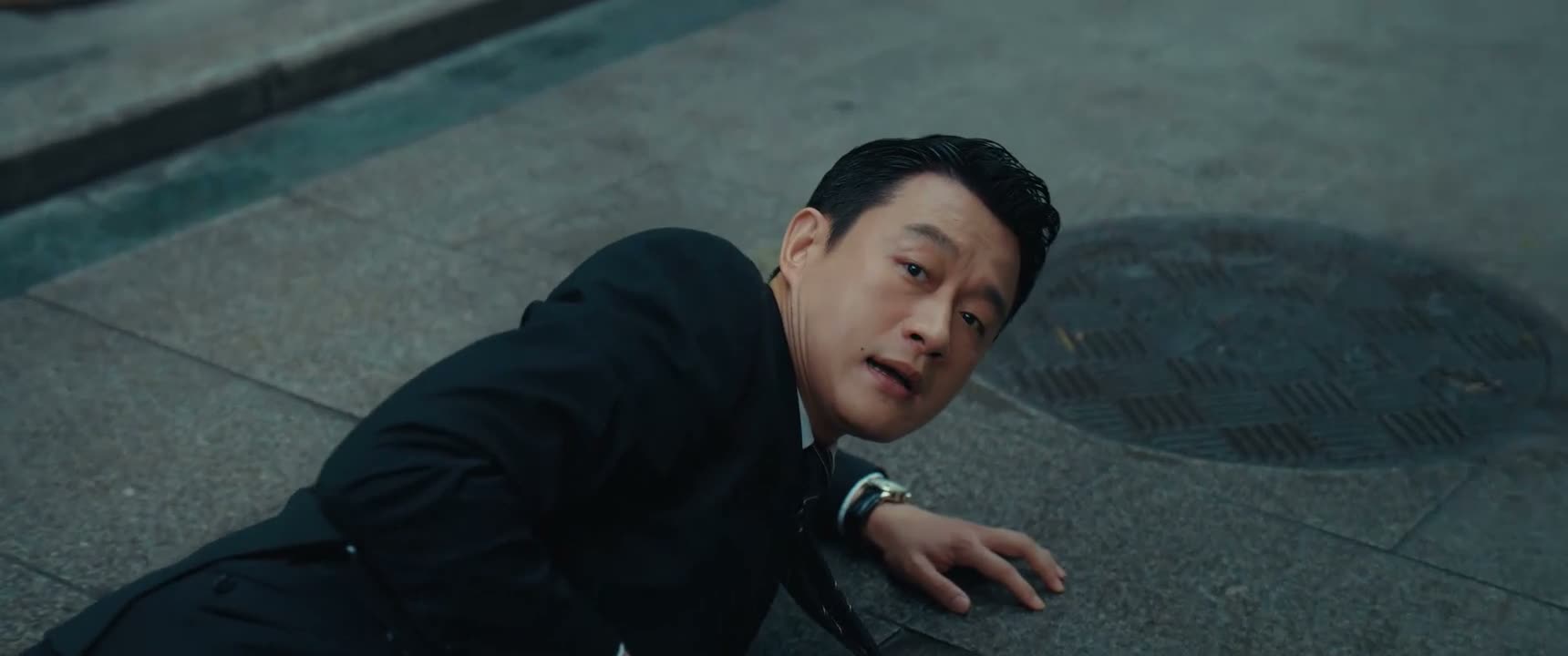
“I'm sorry. The brakes failed.”
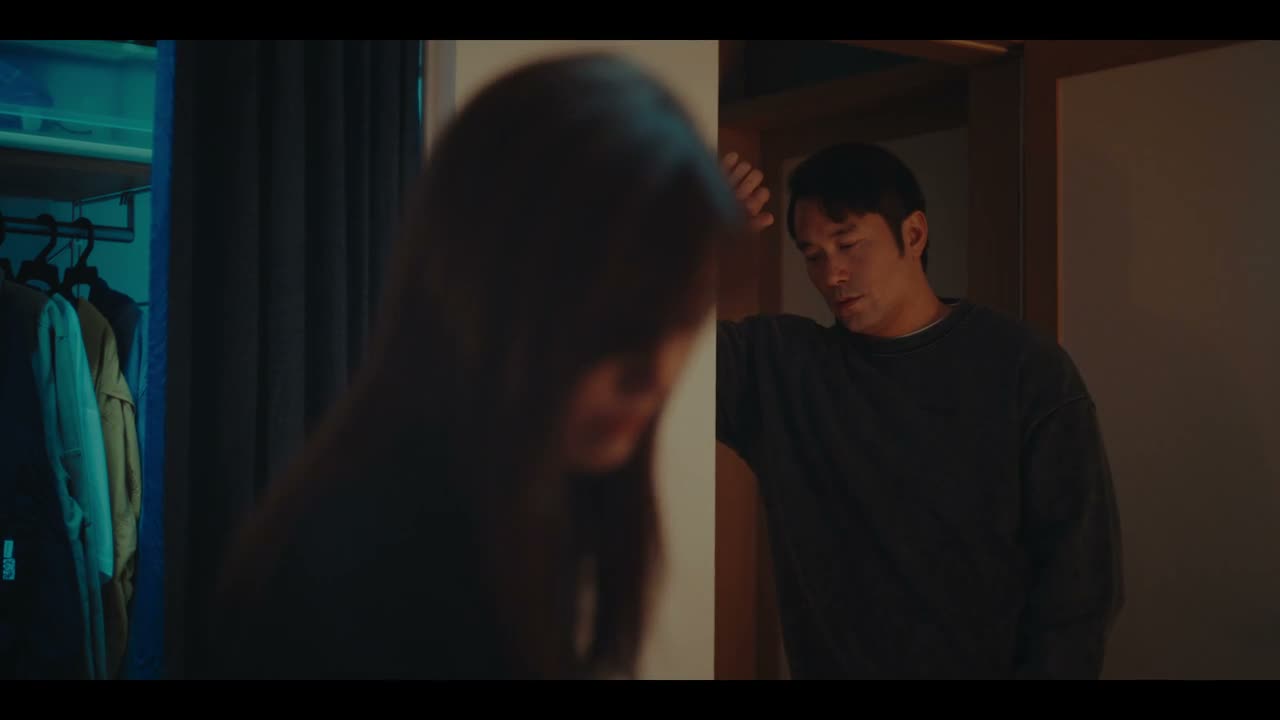
“I'm sorry. I didn't mean it.”

“(I'm sorry.) (I can't take you with me right now.)”

“I'm sorry. Why?”

“Sorry, it's my fault.”

“Sorry, you don't get to decide that.”
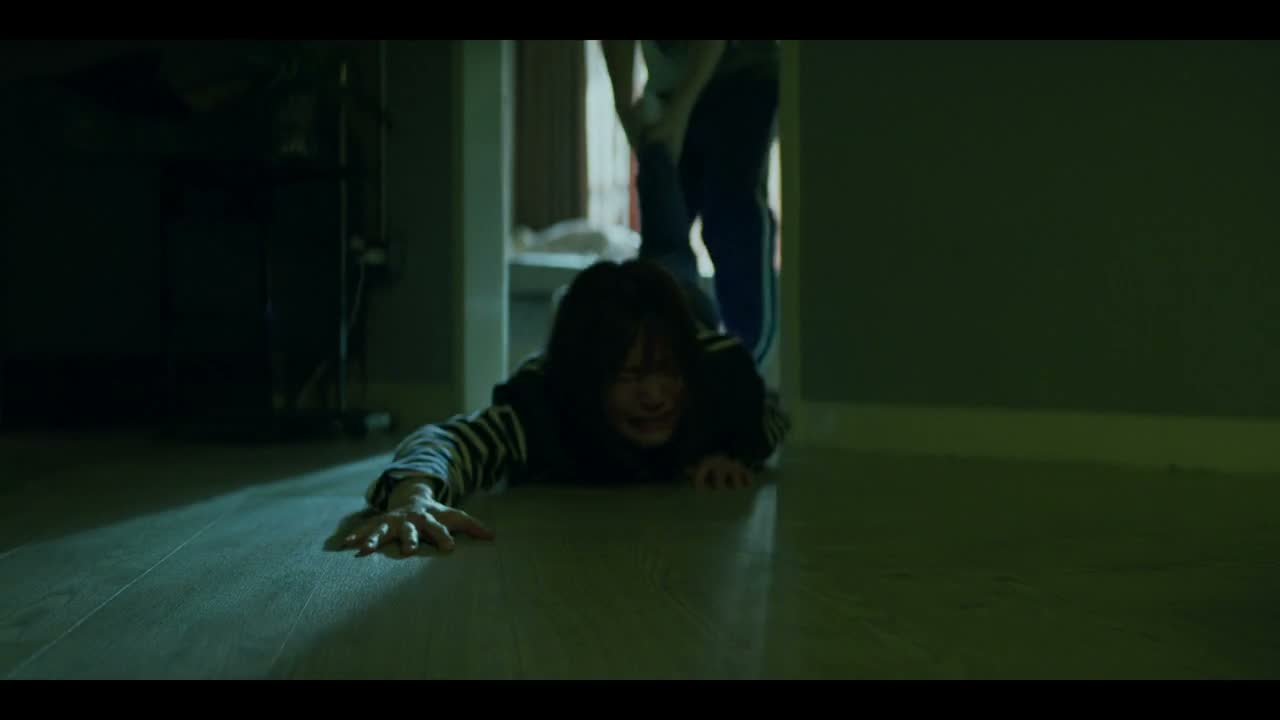
“- [Pin-hsuan crying] I'm sorry! I'm sorry! - Huh?!”
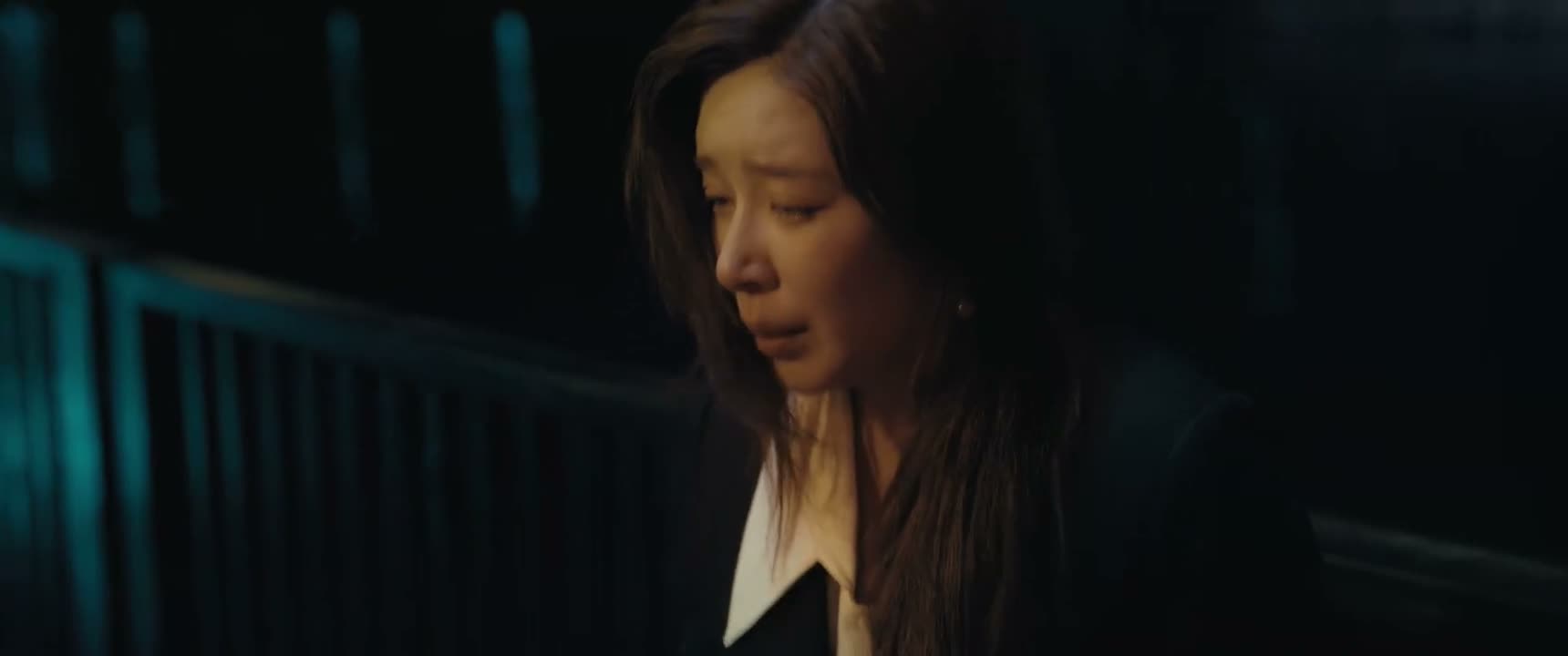
“I'm sorry. I'm sorry.”
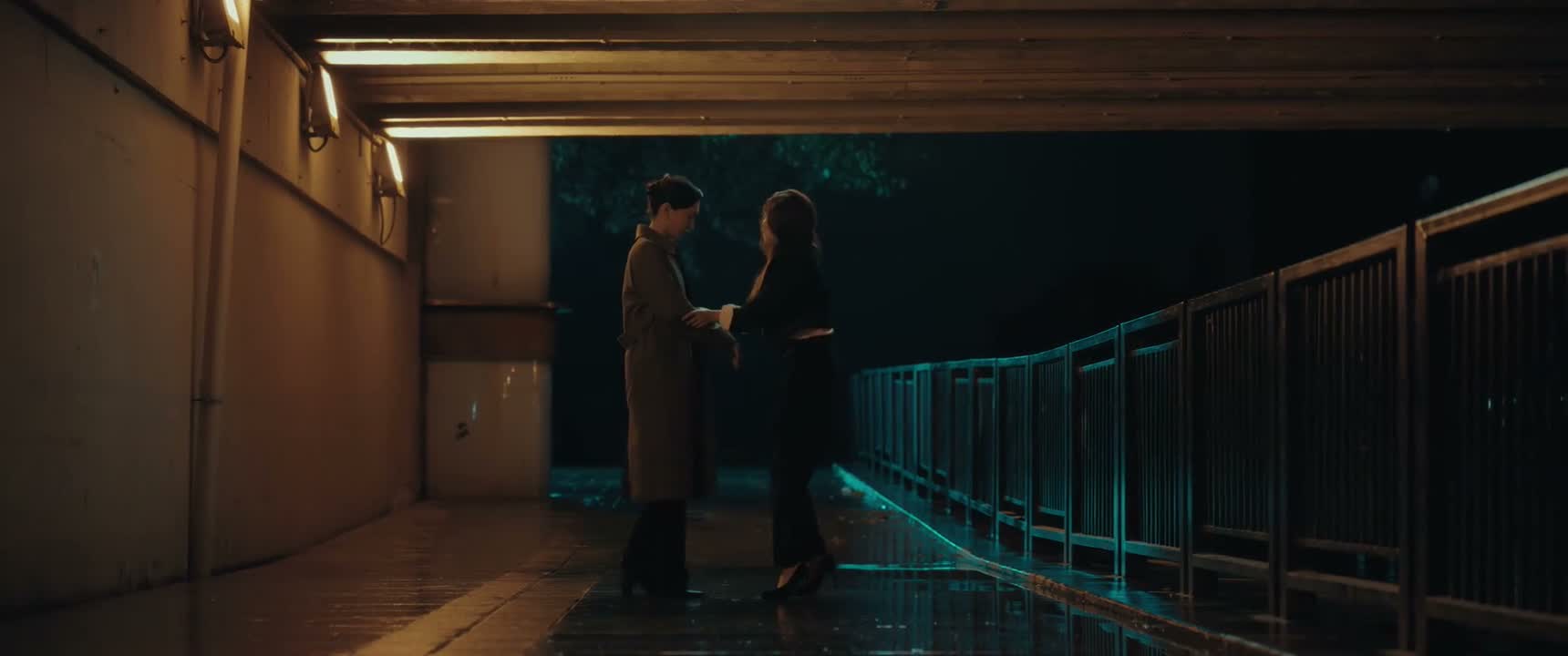
“I'm sorry. I didn't mean to. I didn't mean to.”

“I'm sorry. I'm sorry.”

“I'm sorry. I'm sorry.”
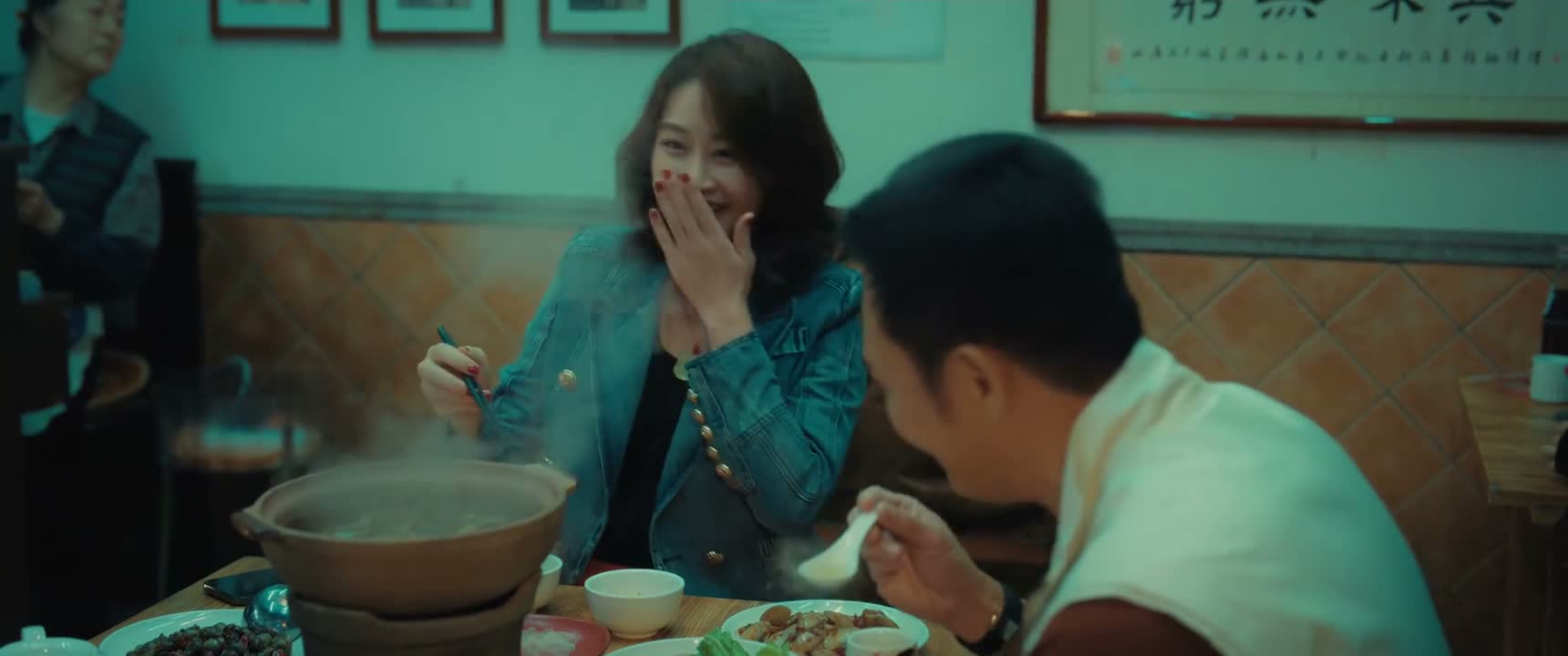
“Sorry. Pretend I didn't say that.”
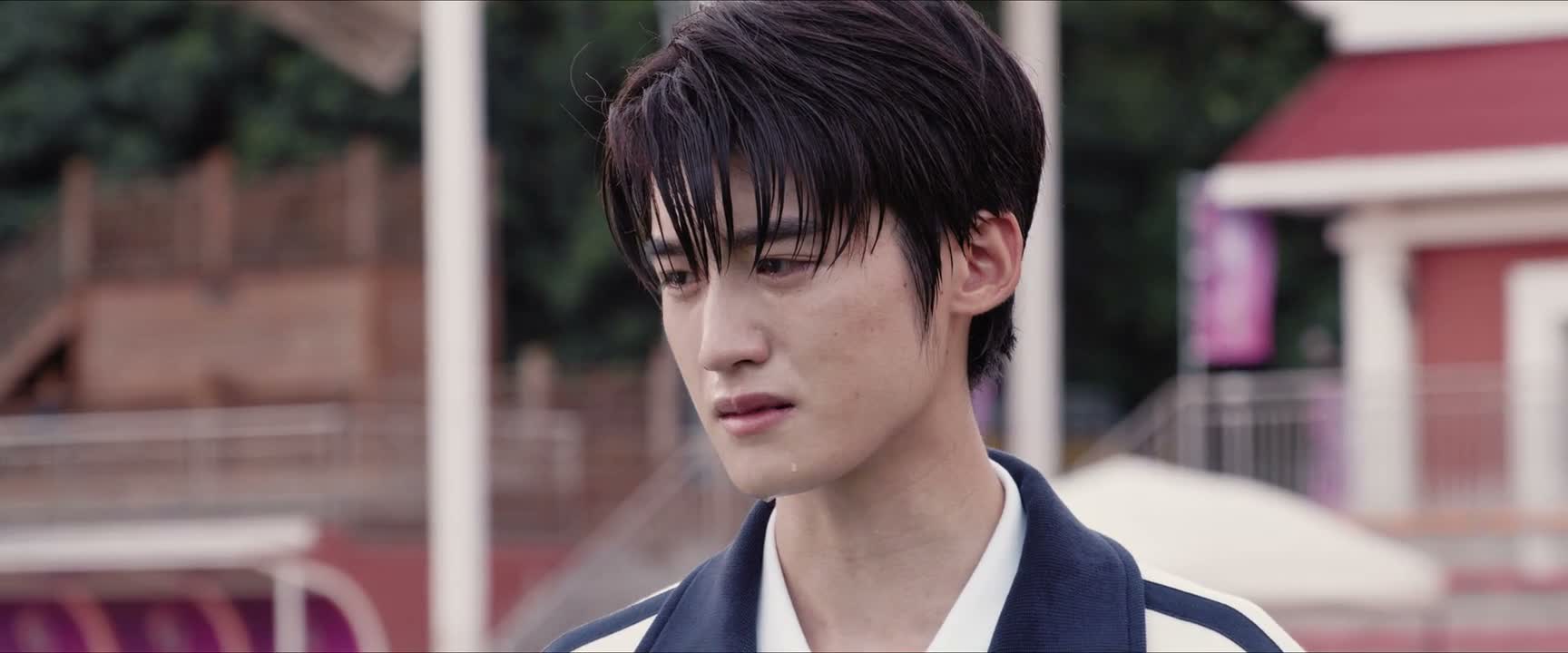
“I'm truly sorry.”

“Sorry. That wasn't on purpose.”

“I'm sorry. I really didn't mean to.”

“Sorry. Sorry. I didn't mean to.”
“I'm sorry. I got too carried away before.”

“I'm sorry. I'm sorry. It was really our oversight.”

“You've let yourself down!”

“I'm really sorry. It's okay. No need...”