但我真的不是故意的 对不起
“It's my fault, sir. I misspoke, but I really didn't mean to. I'm sorry. [sighs]”
THE DIALOGUE REEL
我一时口误
“It's my fault, sir. I misspoke, but I really didn't mean to.”
但 我 真的不是 故意的 对不起
“It's my fault, sir. I misspoke, but I really didn't mean to. I'm sorry. [sighs]”
她是跟着你的
“Is this your doing?”
Direct spoken expression in this communicative setting.
Emphasizing lack of deliberate intent ('不是故意的') is the primary interpersonal defense in Chinese to defuse anger and avoid retribution.
LEARNING CHUNKS & PARTICLES
didn't do it on purpose / unintentional
The most standard and essential everyday phrase in Chinese for disclaiming malice after making a mistake.
sorry / I apologize
A direct, formal, or serious admission of fault and expression of regret.
VOCABULARY & EXPRESSIONS
Parallel Spoken Cinema Scenes (语义近邻切片)

“I didn't mean to.”
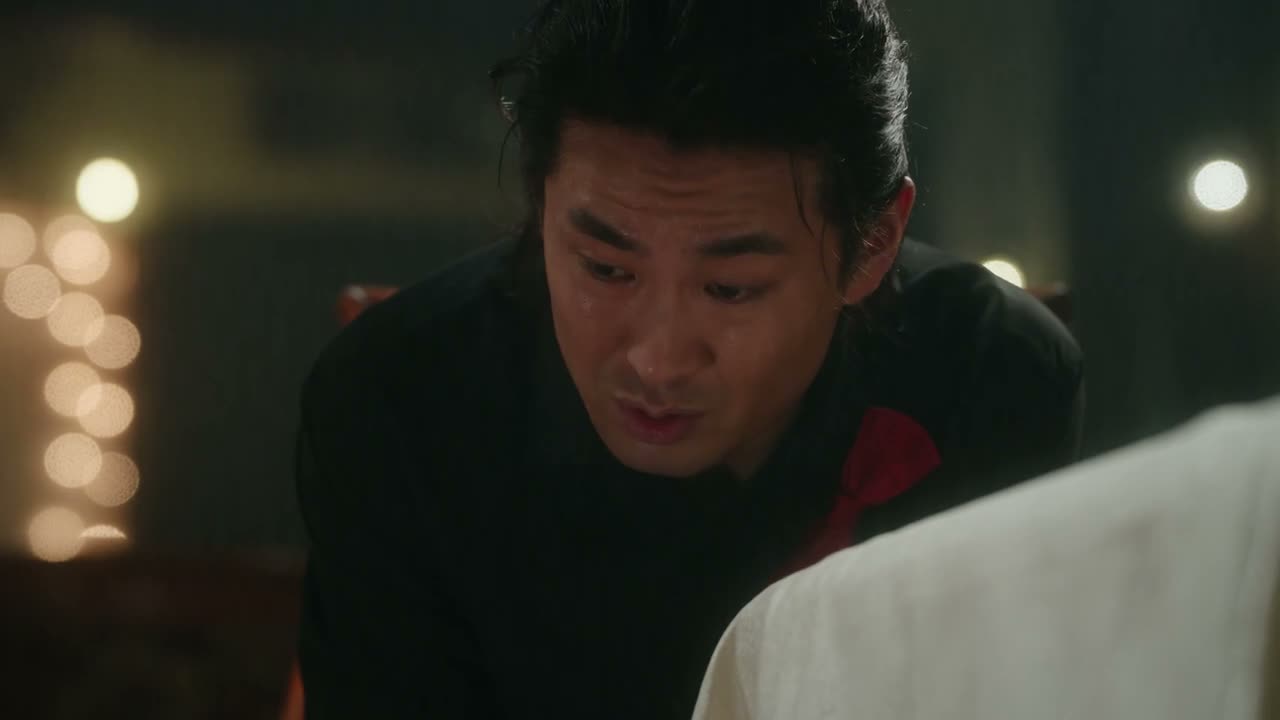
“I really didn't mean to, Sir.”
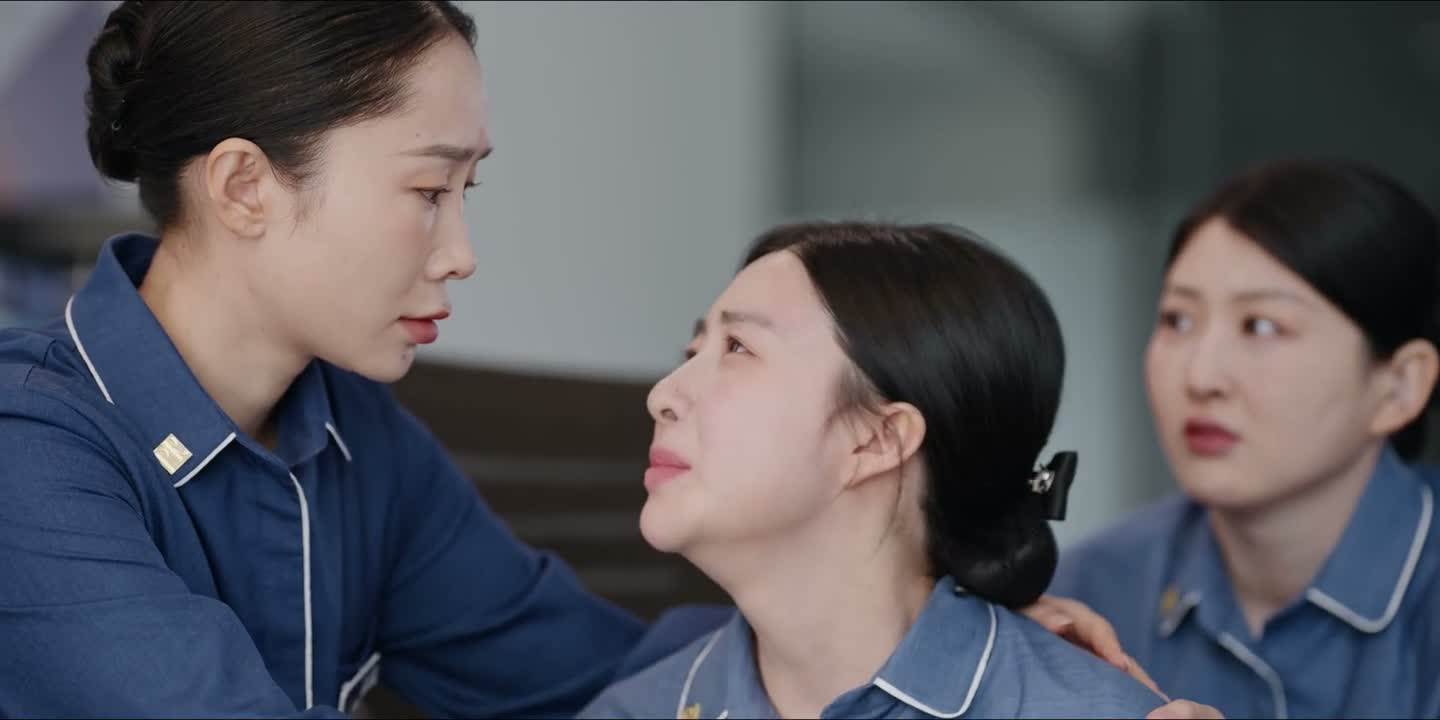
“I really didn't mean to.”

“I never meant to harm Mr. Duan.”
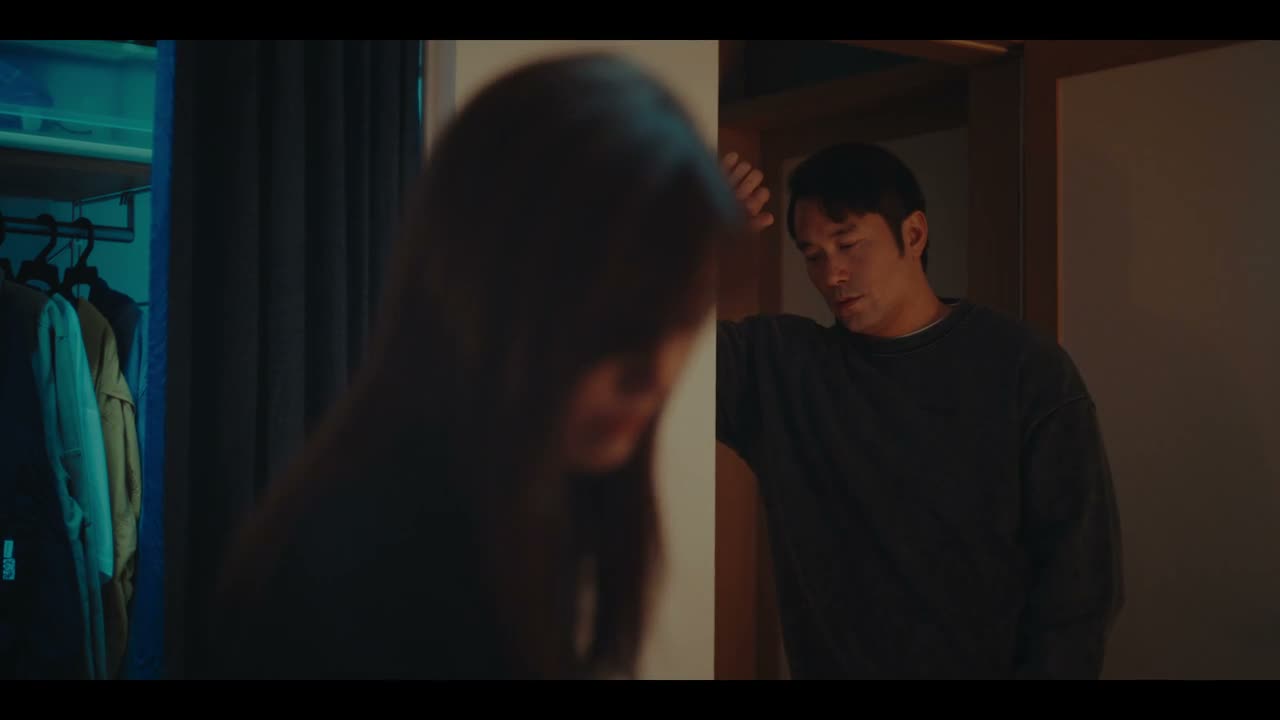
“I'm sorry. I didn't mean it.”

“This wasn't my intention.”
“I'm really sorry. I didn't do it on purpose.”
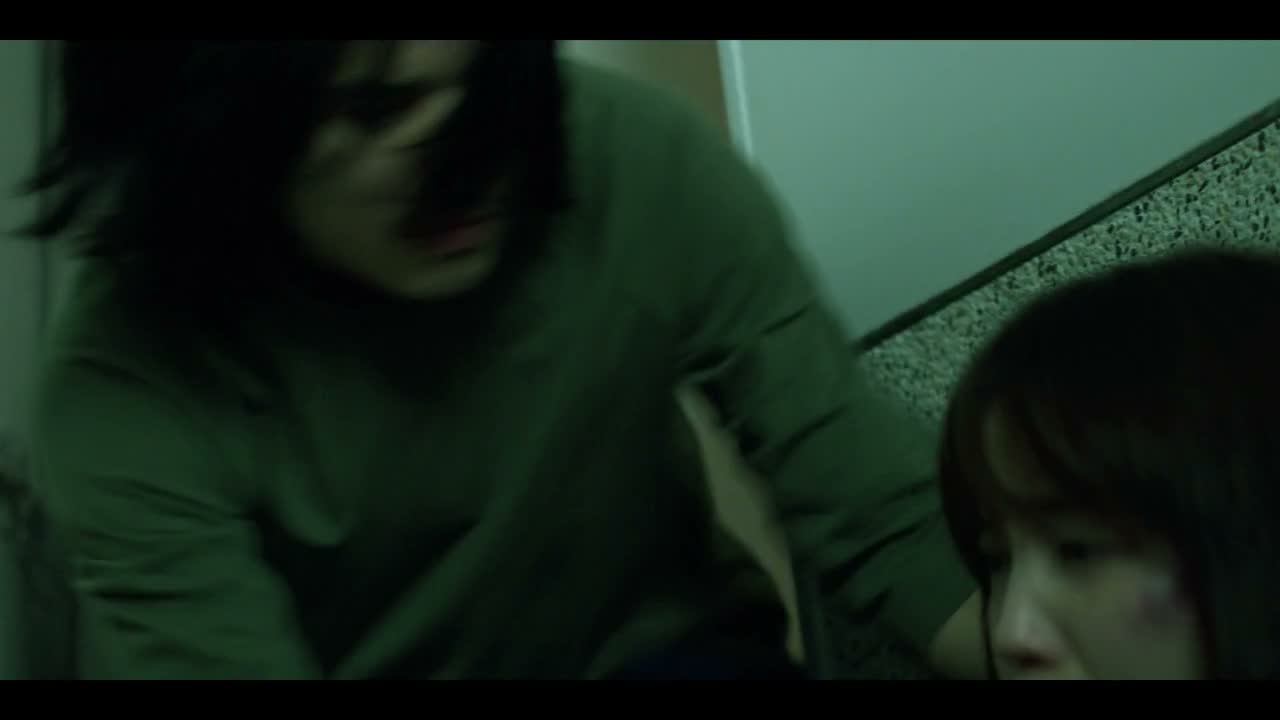
“[Pin-hsuan] I'm… I'm sorry. - I didn't do anything! I didn't-- [yelps] - [Po-lun grunting]”

“I'm sorry. I didn't mean to. I didn't mean to.”
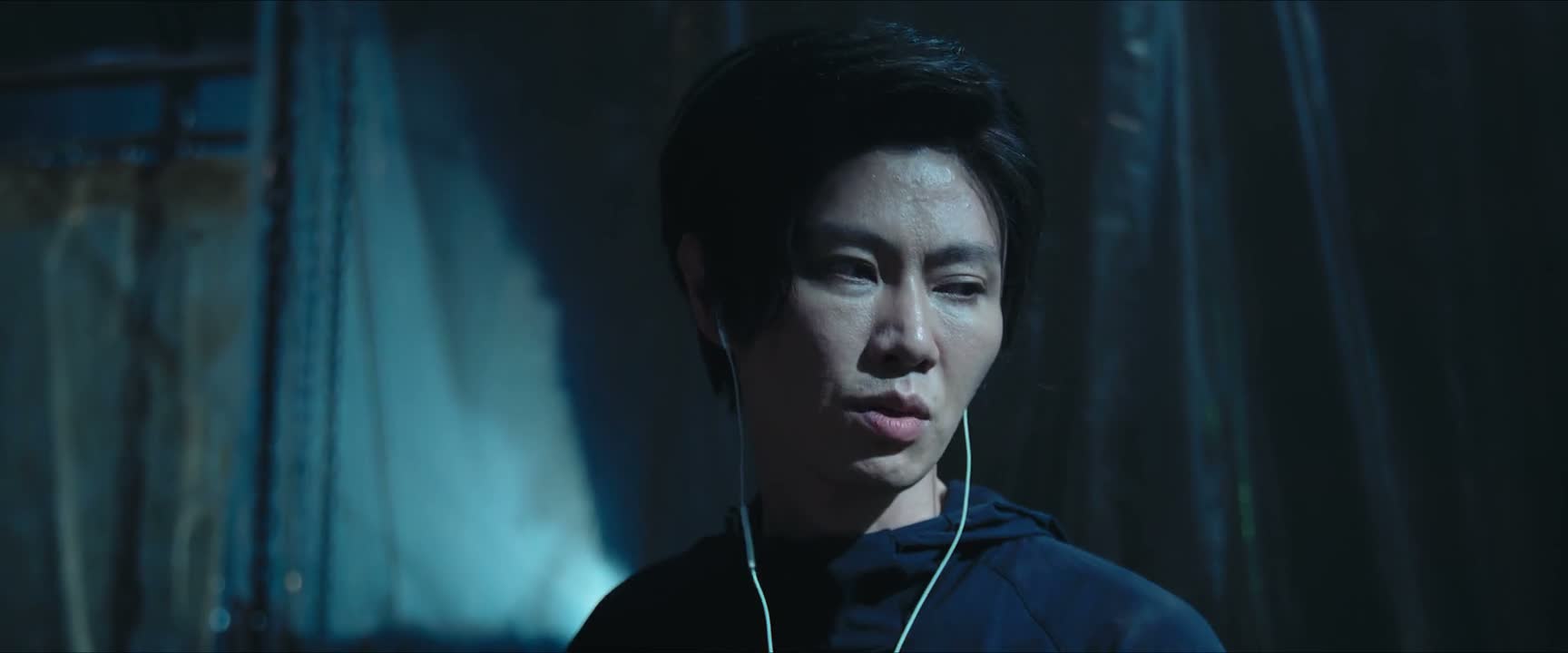
“I truly didn't mean to. Sorry.”

“I'm really sorry. I thought she came looking for Zhangzhu,”

“I'm sorry. I really didn't mean to.”

“He even hit me. I really didn't mean to.”