我真的不是故意的 对不起
“I truly didn't mean to. Sorry.”
THE DIALOGUE REEL
“I'm sorry. I'm sorry. I'm really sorry.”
我 真的不是 故意的 对不起
“I truly didn't mean to. Sorry.”
你故意激怒我
“You deliberately provoked me”
Direct spoken expression in this communicative setting.
Chinese social norms place heavy weight on intent ('心'); clarifying that a harm was accidental ('不是故意的') is essential to prevent a blunder from being judged as a moral or personal attack.
LEARNING CHUNKS & PARTICLES
really not / truly not
Used to emphasize truthfulness when refuting a misunderstanding or false accusation.
not on purpose / didn't mean to
The most standard spoken Chinese phrase to clarify lack of malice or intention after making a blunder.
VOCABULARY & EXPRESSIONS
Parallel Spoken Cinema Scenes (语义近邻切片)

“I didn't mean to.”
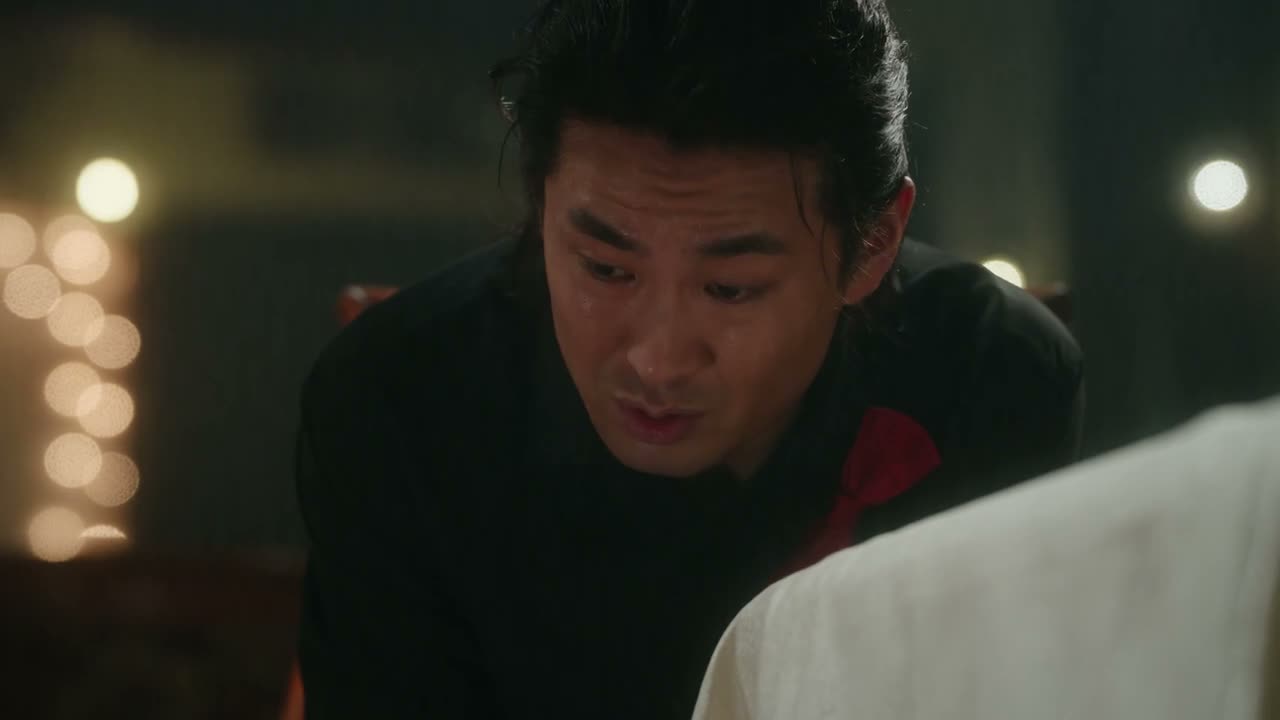
“I really didn't mean to, Sir.”

“I never meant to harm Mr. Duan.”
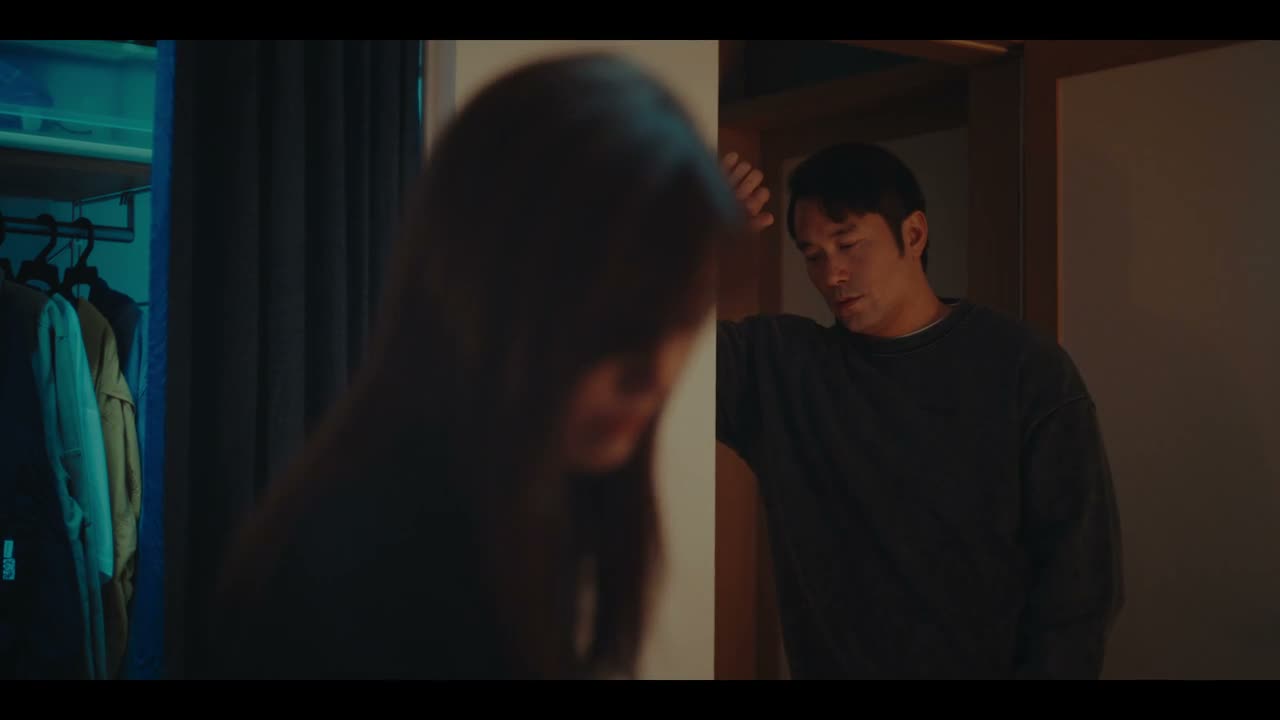
“I'm sorry. I didn't mean it.”

“This wasn't my intention.”

“I didn't mean to offend Consort Hui.”
“[Pin-hsuan] I'm… I'm sorry. - I didn't do anything! I didn't-- [yelps] - [Po-lun grunting]”
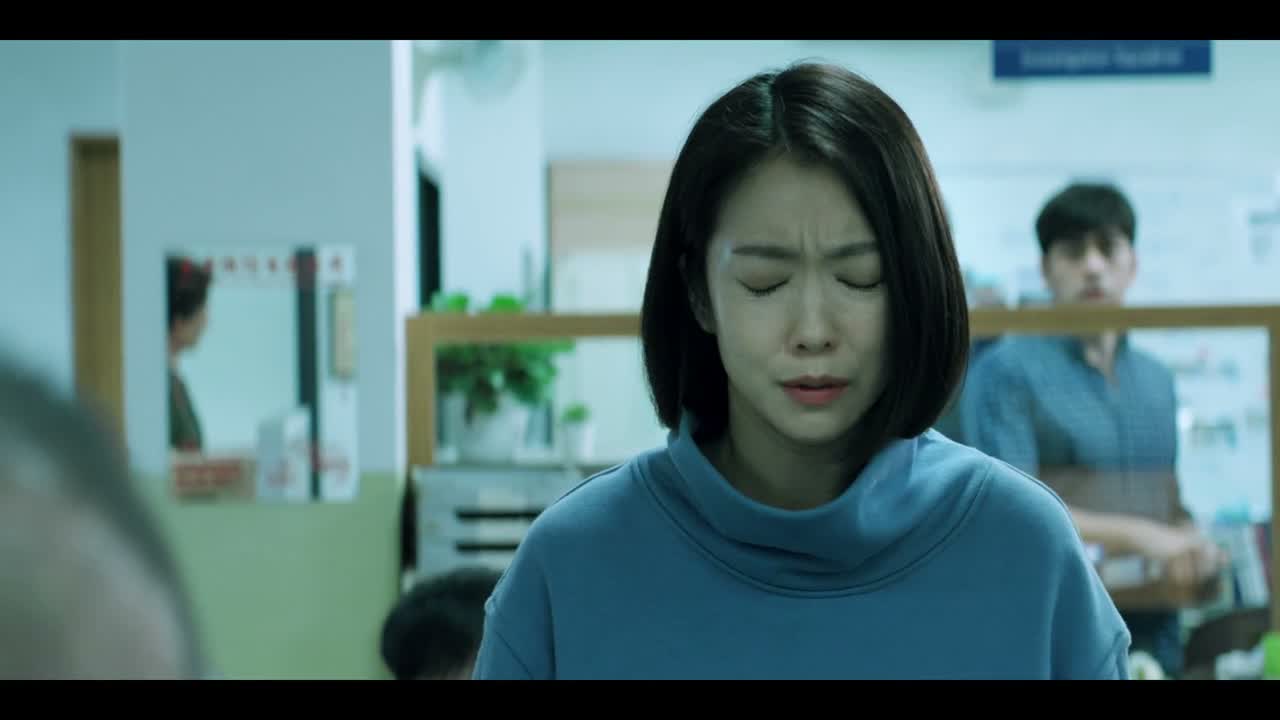
“It's my fault, sir. I misspoke, but I really didn't mean to. I'm sorry. [sighs]”

“He even hit me. I really didn't mean to.”