我真的不是故意的
“I really didn't mean to.”
THE DIALOGUE REEL
我不是故意的
“I didn't mean to.”
我 真的不是 故意的
“I really didn't mean to.”
鲁经理
“[General Manager's Office] Ms. Lu.”
“Please don't fire or punish me, it was an honest mistake!”
In Chinese workplace hierarchy, subordinates who make mistakes often emphasize their lack of deliberate ill intent ('wu xin zhi shi') to invoke empathy and lenient treatment from superiors.
LEARNING CHUNKS & PARTICLES
did not do it on purpose / unintentional
A vital phrase used immediately after making a mistake or accident to soften culpability.
really not / truly not
Used to strongly emphasize denial or sincerity when defending oneself.
Functions as part of the 'shi... de' construction to emphasize the speaker's true intent or factual state.
VOCABULARY & EXPRESSIONS
Parallel Spoken Cinema Scenes (语义近邻切片)

“I didn't mean to.”

“intentionally trying to cause such a scene.”

“It's my fault, sir. I misspoke, but I really didn't mean to. I'm sorry. [sighs]”
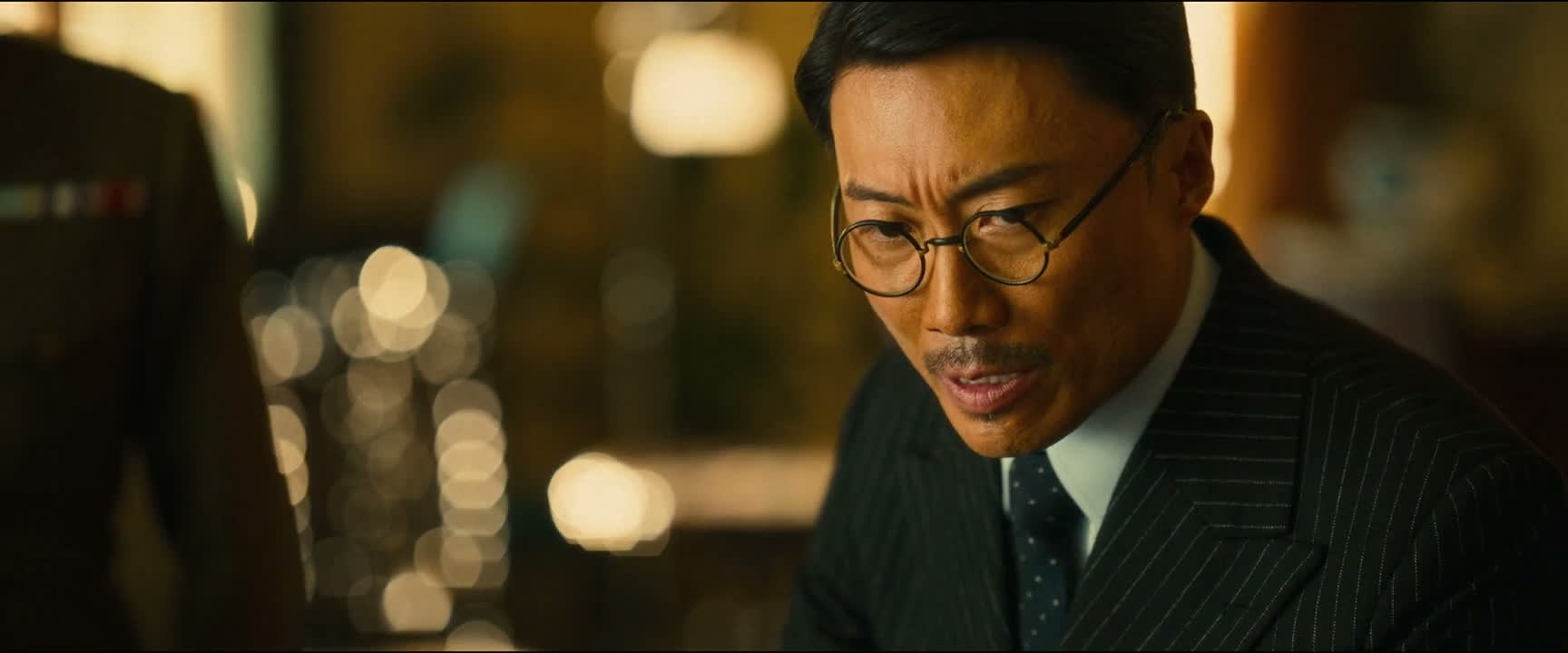
“But you never intended to undermine”

“Do you not see that this was done on purpose?”
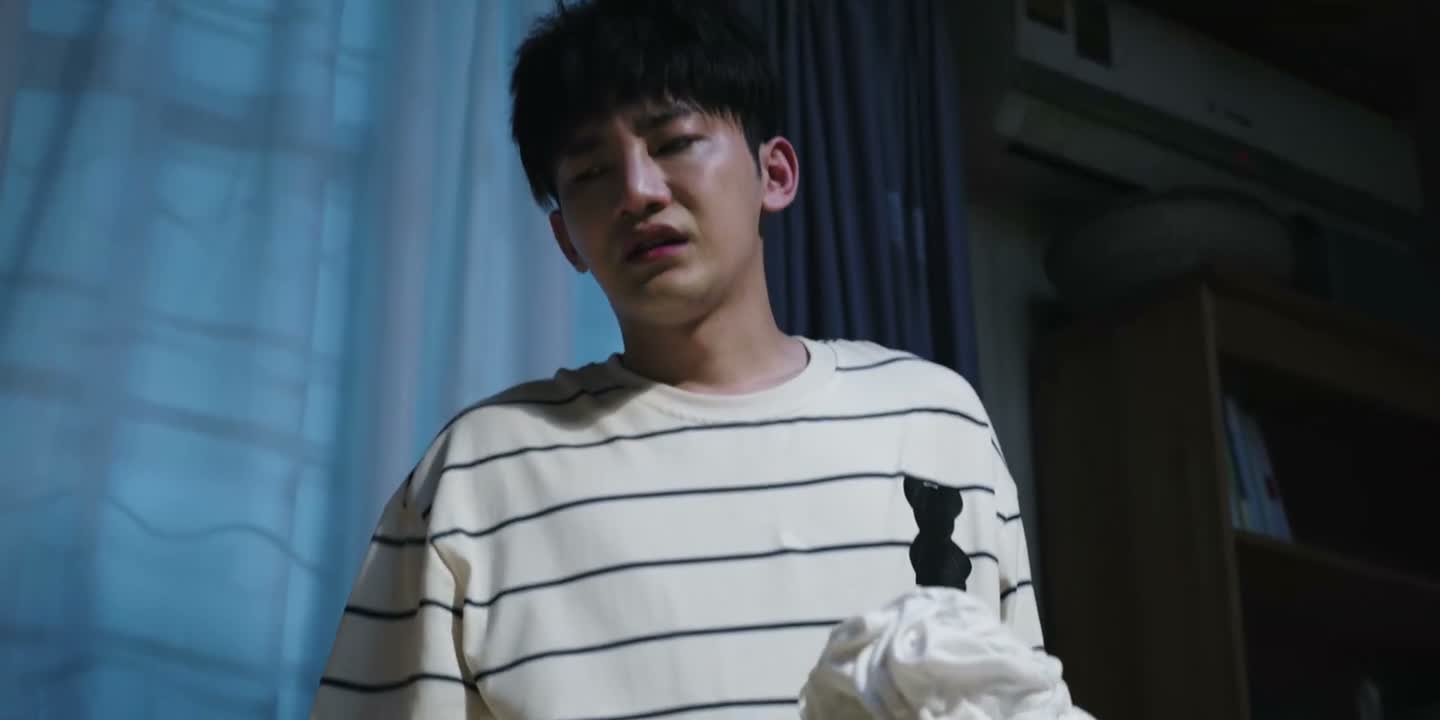
“Mom didn't mean to mess things up.”

“This wasn't my intention.”

“I didn't mean to offend Consort Hui.”

“I've already explained. I didn't mean this.”

“I didn't mean to hurt you.”