《The Heir》 S1·E20 (04:26)
HSK 2
wǒ zhēn de zhī dào cuò le wǒ cuò le
我真的知道错了 我错了
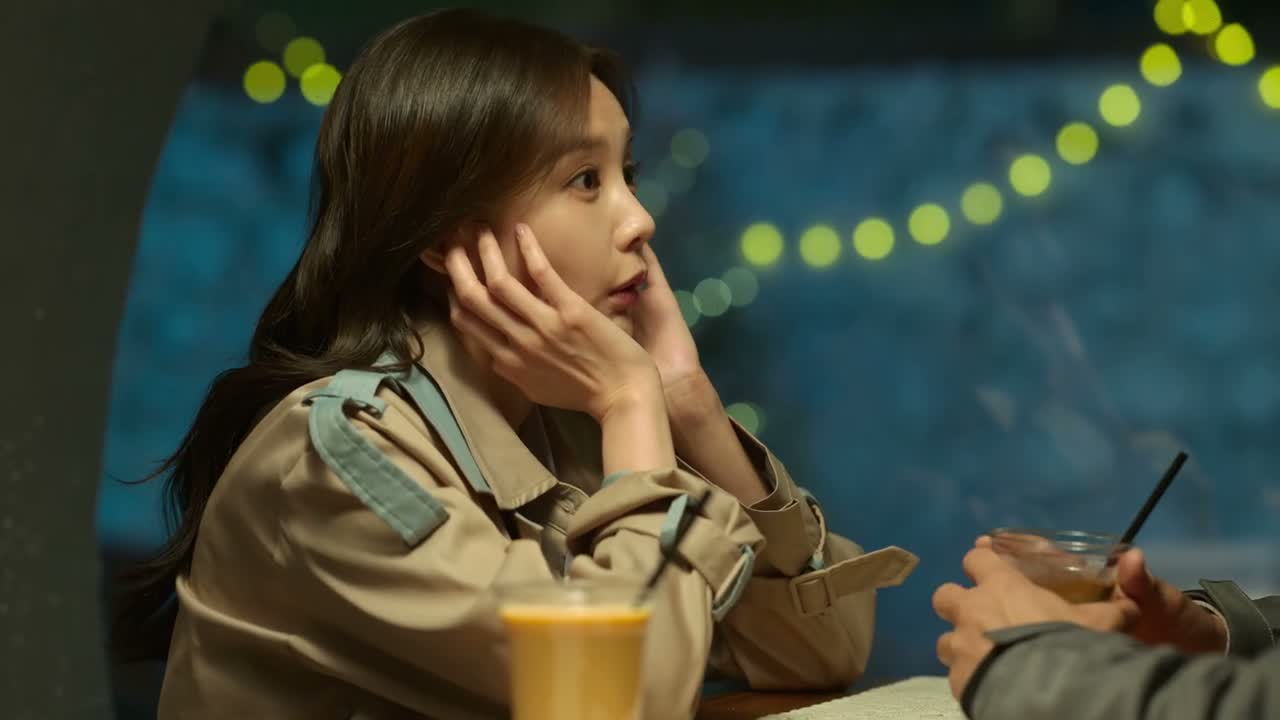
“I really know my mistake! I was wrong!”
《The Heir》
S1·E20
TIMECODE: 04:26
·
1080P MASTER AUDIO
THE DIALOGUE REEL
[-1] PREVIOUS TURN
wǒ cuò le
我错了
“I was wrong.”
wǒ zhēn de zhī dào cuò le wǒ cuò le
CURRENT FOCUS
我 真的知道错了 我错了
“I really know my mistake! I was wrong!”
[+1] FOLLOW-UP TURN
dé cái
德才
“Decai.”
Subtitles synced to millisecond timecode
Browse Show Clips →
Scene:
Crisis & Conflict
Function:
PLEADING FOR FORGIVENESS
Tone:
PLEADING
Emotion:
FEAR
WHAT THEY REALLY MEAN (PRAGMATIC SUBTEXT)
Direct spoken expression in this communicative setting.
💡 Cultural Insight: Admitting Fault to Soften Punishment
Proactively and repeatedly admitting error is culturally expected when seeking mercy from an elder or authority figure.
INTENT TAGS:
#apologizing
#pleading
#admitting_fault
🧩
1 CHUNKS · 1 PARTICLES
LEARNING CHUNKS & PARTICLES
知道错了
SPOKEN CHUNK
to realize one's mistake; to admit fault
A very common spoken phrase used to acknowledge wrongdoing and beg for leniency.
Modal Particle「了」 (le)
CHANGE OF STATE
Marks a change of state, indicating the realization of the mistake has occurred.
🏮
2 EXPR · 0 GRAMMAR
VOCABULARY & EXPRESSIONS
COLLOQUIAL EXPRESSIONS:
CROSS-CINEMA CORPUS BOARD · PARALLEL SCENES
EXPLORE BY SEMANTIC SIMILARITY
Parallel Spoken Cinema Scenes (语义近邻切片)
《The Heir》 S1·E20 (04:26) · Authentic Cinema Dialogue Corpus