道歉
dào qiànCommon spoken expression used by native Chinese speakers in daily life.
[Scene: 其他场景]
(36 clips) 00:03
 00:03
(不不不) ── Previous context
“He was the one who broke it, so he should be the one to apologize.”
 00:03
(抱歉呀 田先生 角谷君太不小心了) ── Previous context
“Shouldn't it be the one who broke it who apologizes?”
 00:02
(他刚刚打坏了我的君子兰) ── Previous context
“He hasn't apologized yet. Didn't he already apologize”
 00:02
 00:03
(这件事情就没有了) ── Previous context
“I didn't do anything wrong. So, why should I apologize? Then, sell it to Mr. Fan.”
 00:02
 00:02
 00:03
(我) ── Previous context
“Give yourselves three slaps across the face. Apologize to everyone,”
 00:03
(都是治病 有啥区别) ── Previous context
“It's been three days already. He Dachui hasn't apologized,”
 00:02
 00:02
 00:03
(谁扔的让谁来收拾) ── Previous context
“and apologize to me in person. It's clearly written in the newspaper. Great-grandfather,”
 00:02
 00:02
 00:02
 00:02
 00:02
 00:02
 00:03
(干啥呢 跟她道歉) ── Previous context
“Apologize. - Don't leave. Apologize now. - Let go. Let go of me.”
 00:02
 00:02
(我带大鹏来 不是来道歉的) ── Previous context
“Then why are you here? To make Cai Jun apologize.”
 00:03
(作为一个成年人 就要为自己的行为负责) ── Previous context
“If you hit someone, apologize. Don't you understand such a simple thing?”
 00:02
(起来 来来来 起来起来 你跟我说 你要去哪儿) ── Previous context
“- Let go! - Tell me! Get out of here! I'm not apologizing.”
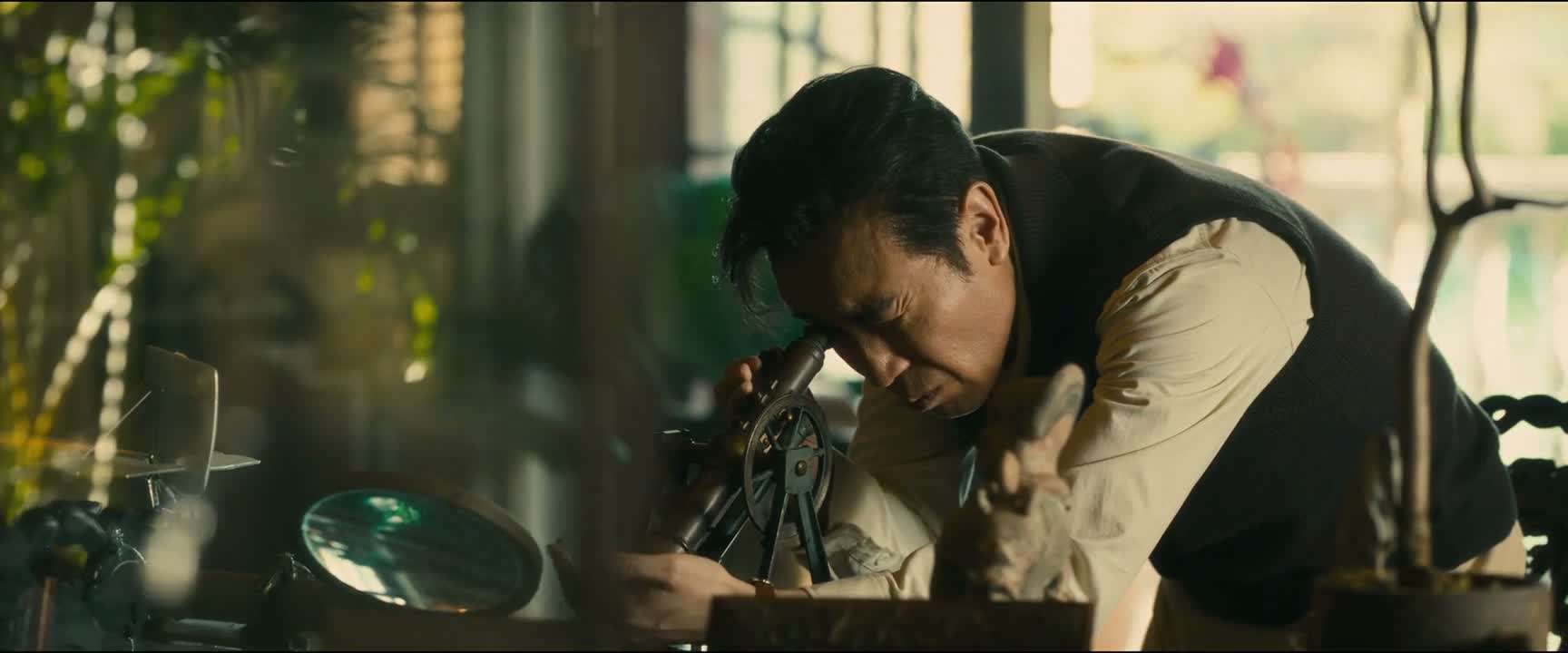 00:03
(直接把人赶出去了 被诬陷成了抗日分子) ── Previous context
“It's not a big deal. The Japanese just wants him to apologize in person.”
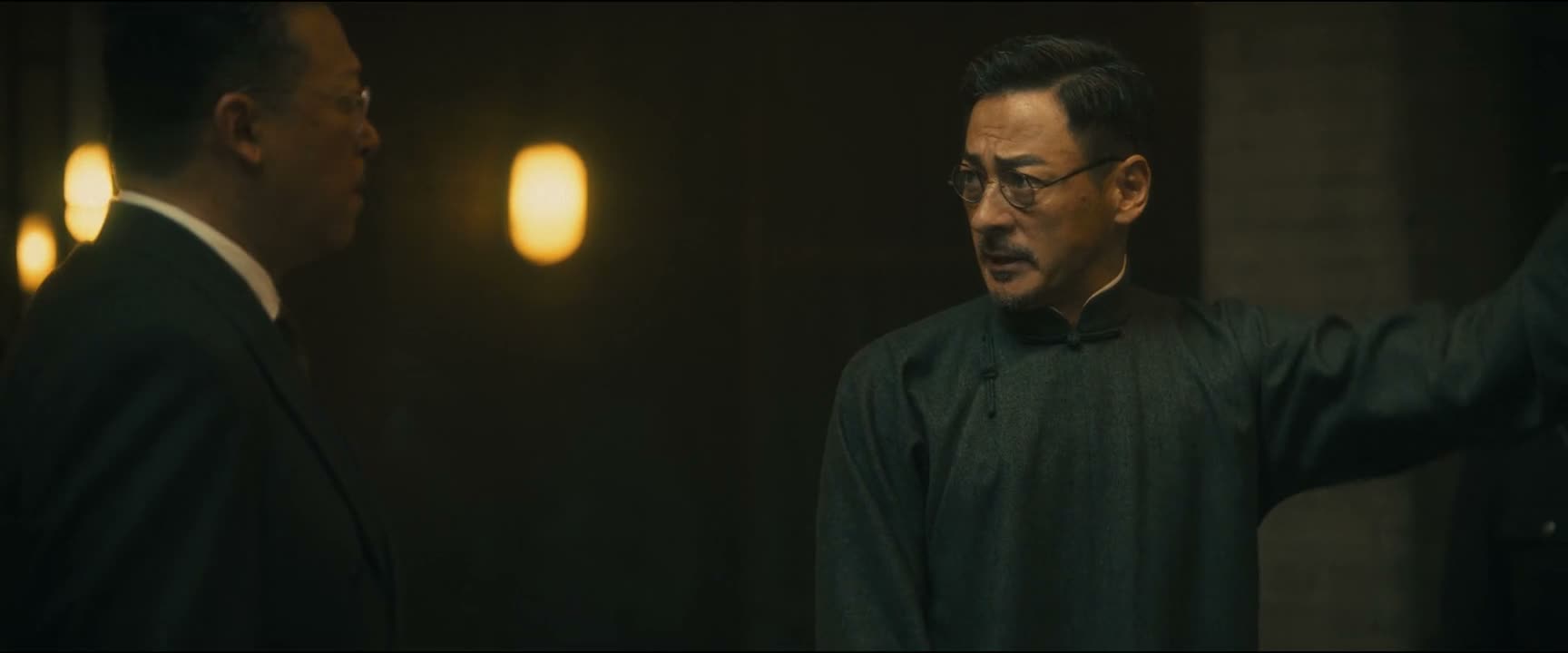 00:03
(岂有此理) ── Previous context
“He has no intention of apologizing at all. Mr. Fujita.”
 00:03
 00:03
 00:02
(之前怎么不道歉 律师函这么有用) ── Previous context
“What prompted me to apologize was certainly not that.”
 00:03
(对对对 我就一会儿一个变的) ── Previous context
“When I posted a video, you all heckled me. Now that I'm apologizing, you're still heckling me.”
 00:02
(实在是对不起) ── Previous context
“Why didn't you apologize before? Is a lawyer's letter that effective?”
 00:02
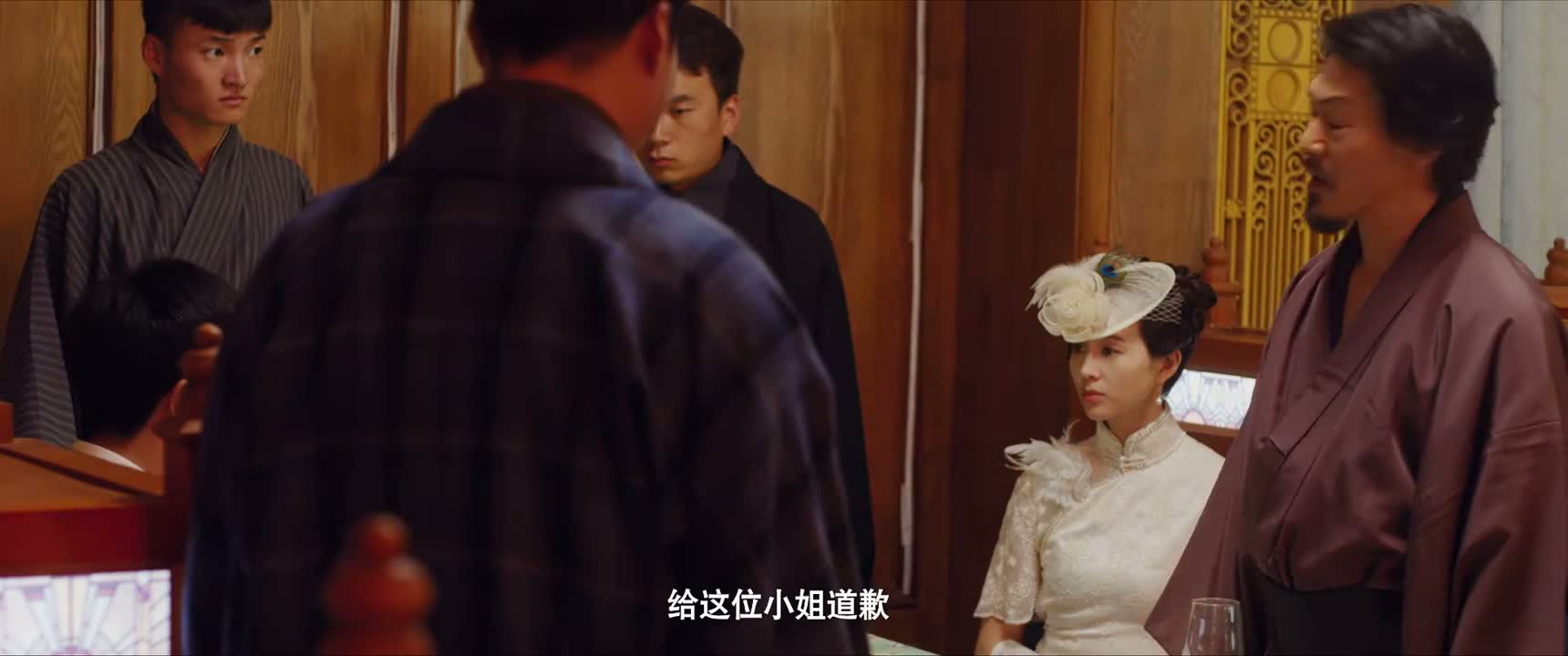 00:03
 00:03
(说吧) ── Previous context
“Where should my turf be? I'm sorry. I was wrong. I apologize.”
 00:02
(你那天在我家发完脾气就走了 我什么都没说) ── Previous context
“I didn't say anything about it. I even apologized to you. But look at you.”
 00:03
(怀上之后又不珍惜) ── Previous context
“Such a heartless jerk, and you want to apologize to him?”
[Scene: 商务沟通]
(4 clips) 00:03
 00:03
(也难辞其咎) ── Previous context
“Today, I came specifically to offer my sincere apology to you.”
 00:02
 00:02
📌 道个歉
→Nuance: 替道歉替代了要求其本人道歉
📌 道个歉
→Nuance: 核心意图一致,均表达正式道歉
📌 没事
→Nuance: 共享核心口语谓词: [对不起]
📌 行行行
→Nuance: 同为不再争辩,表达方式略有不同
📌 行行行
→Nuance: 表达敷衍认错认输,可直接互换
📌 认错
→Nuance: 核心交际意图均为现场道歉
📌 放心
→Nuance: 共享核心口语谓词: [对不起]
📌 行了行了
→Nuance: 意图一致拒绝对方道歉打断说话
📌 行吧
→Nuance: 均表已道歉的不耐烦语气