给我们赔礼道歉 道歉
“Apologize to us. Apologize.”
THE DIALOGUE REEL
道歉
“Apologize.”
给我 们 赔礼道歉 道歉
“Apologize to us. Apologize.”
你看
“Look.”
Direct spoken expression in this communicative setting.
A formal apology (赔礼道歉) in Chinese culture is essential not just for resolution, but to publicly restore the aggrieved party's lost face.
LEARNING CHUNKS & PARTICLES
offer a formal apology / make amends
A set four-character phrase used when demanding public recognition of wrongdoing, stronger than just '道歉'.
VOCABULARY & EXPRESSIONS
Parallel Spoken Cinema Scenes (语义近邻切片)
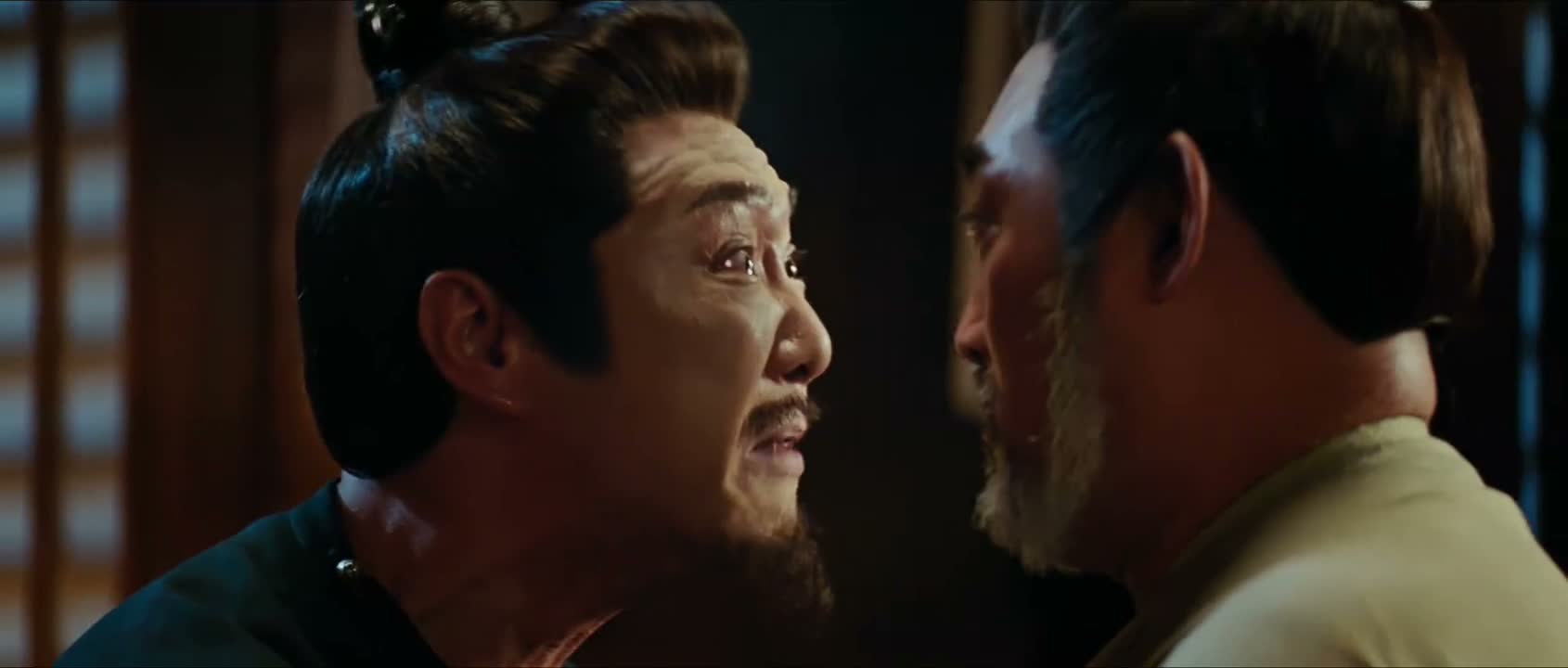
“atoning for what you did to her!”
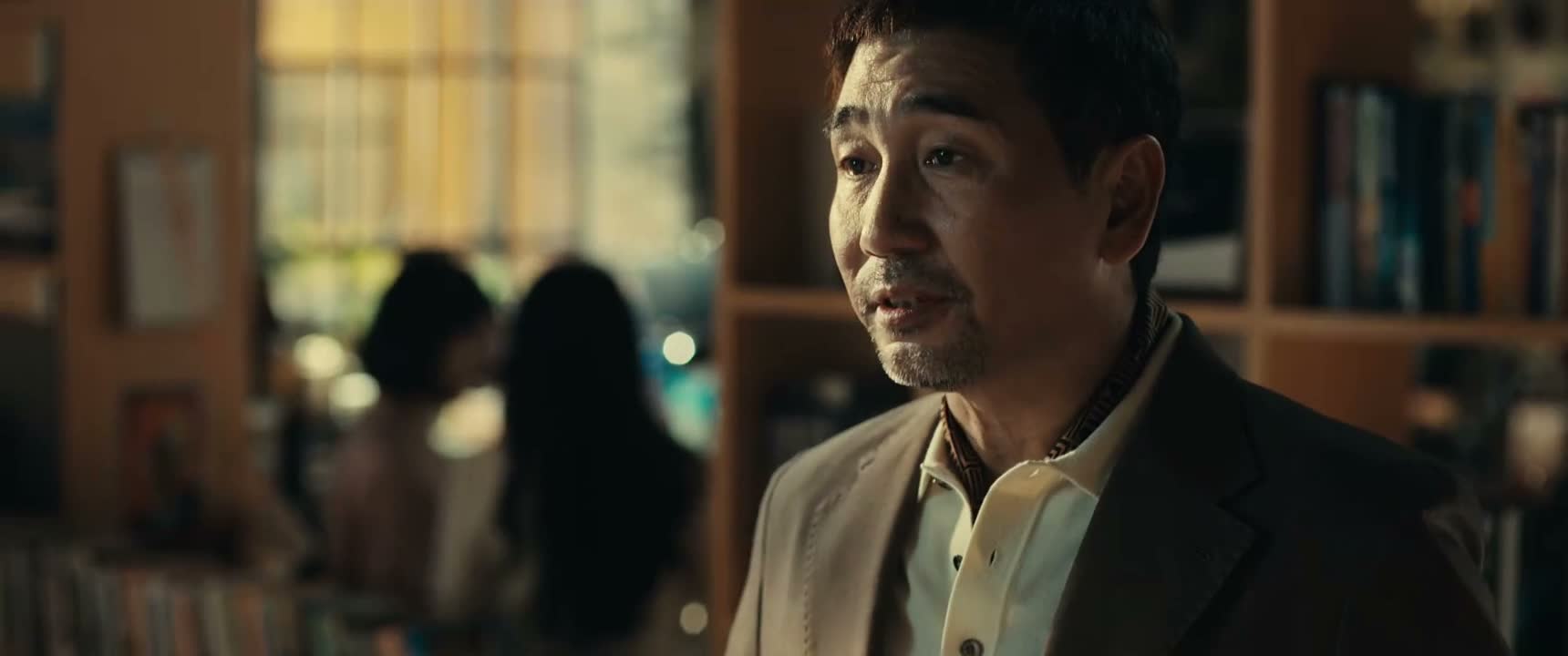
“You owe me an apology. Who is he?”

“came to apologize today.”

“Give me a chance to redeem myself, okay?”

“Give her a chance to apologize.”
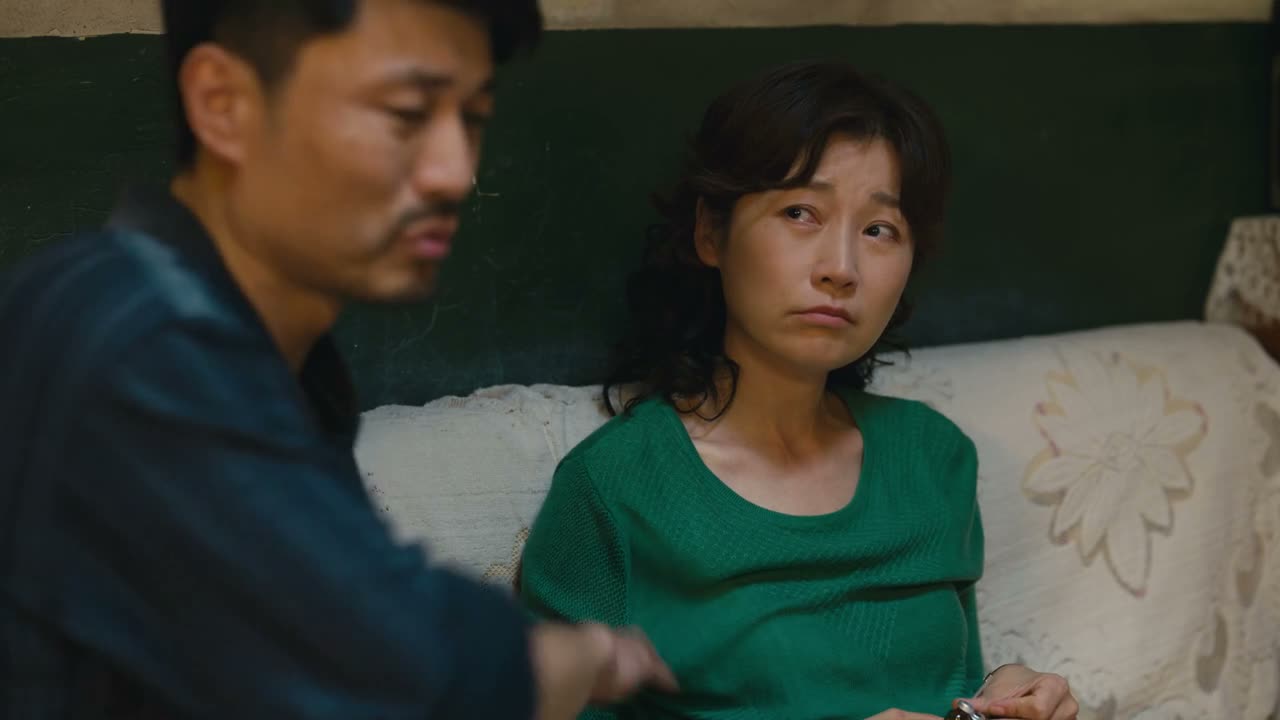
“Then I... I'll go apologize to him.”

“Apologize right now. What's the point of apologizing to me?”

“I'm so sorry.”
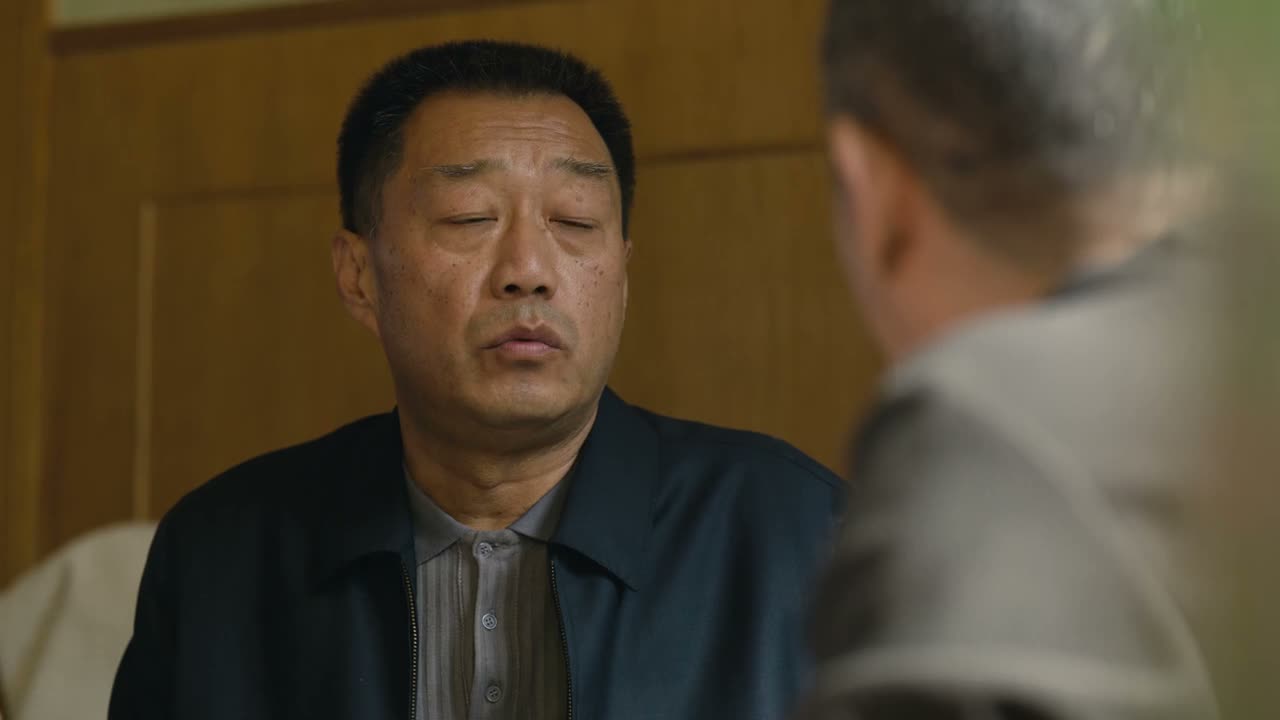
“I came to apologize to you.”

“I want to apologize to you.”

“Let it count as making amends to him.”

“So you came to apologize? I sincerely apologize.”

“When I posted a video, you all heckled me. Now that I'm apologizing, you're still heckling me.”

“- He humiliated me. - Yeah. I'll make him apologize.”
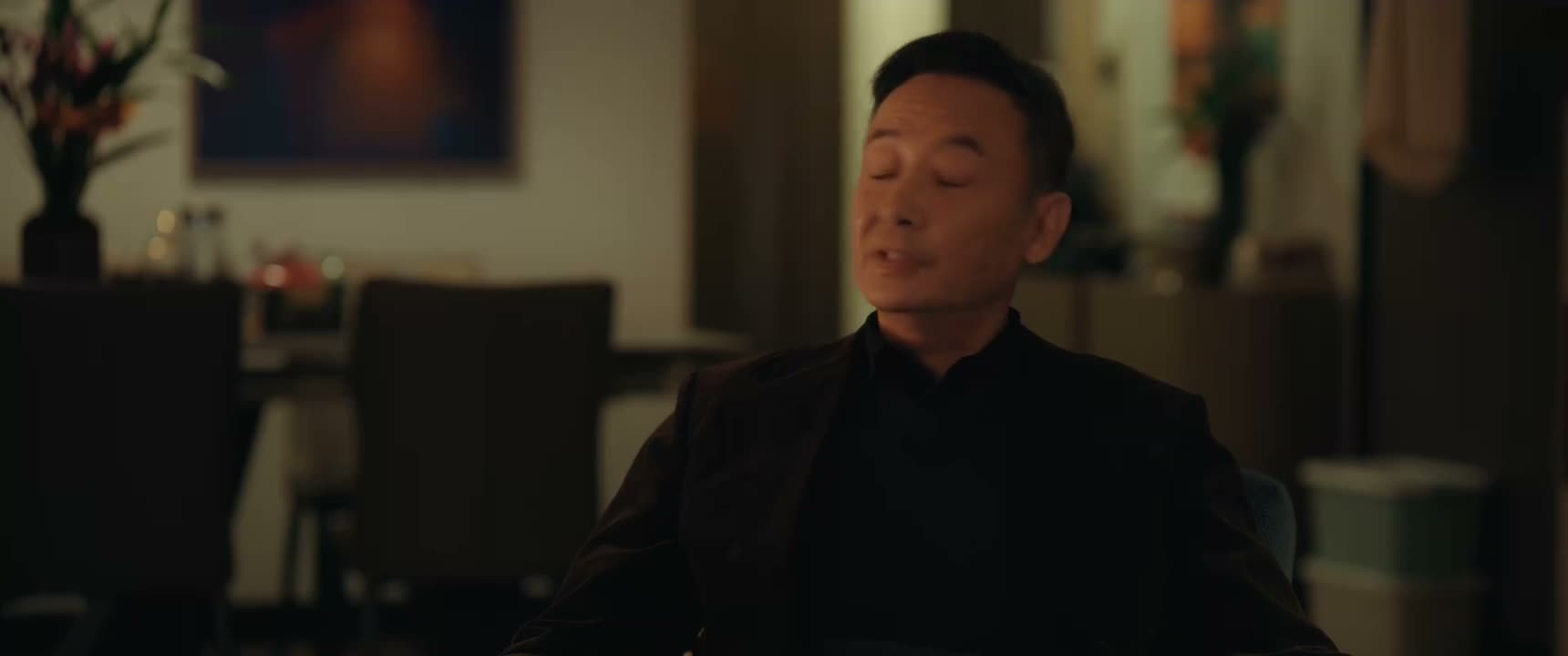
“Second, as Dongming's father, I must apologize to you.”

“If we were going to apologize from the start, why prepare this nine million?”

“Why should I apologize?”
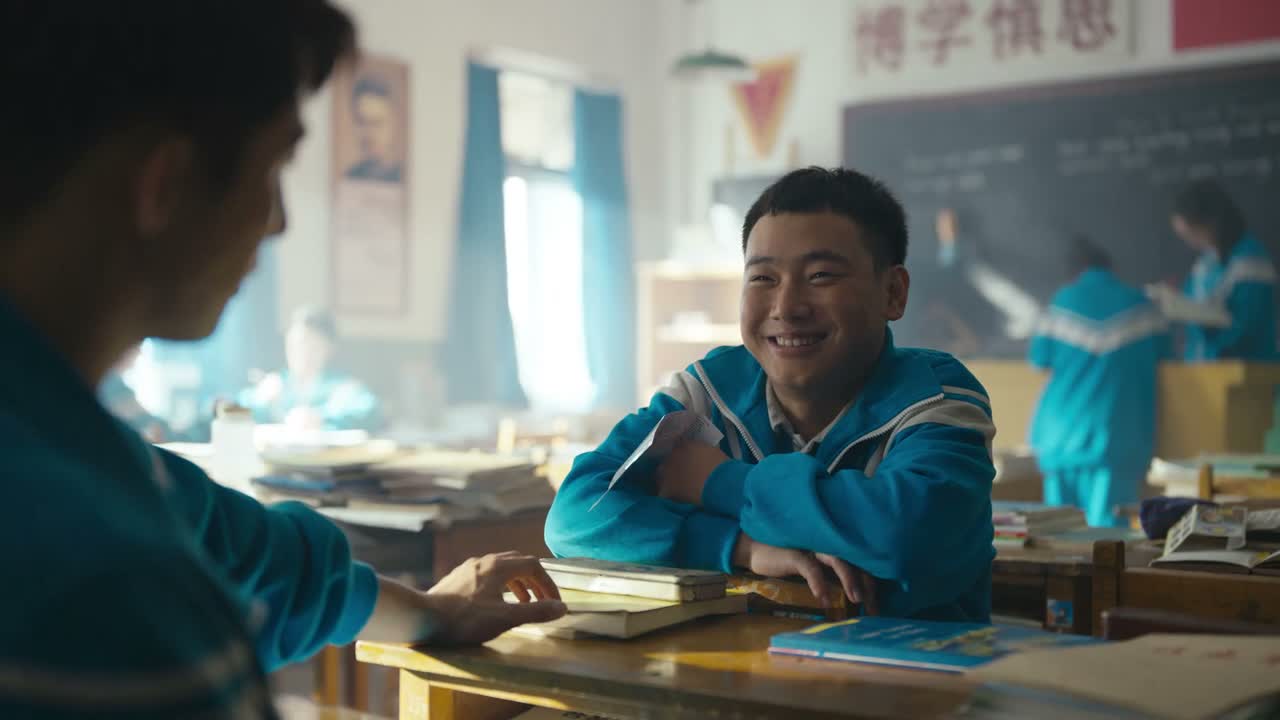
“you do need to show some sincerity in your apologies.”

“They apologized only because they had to.”
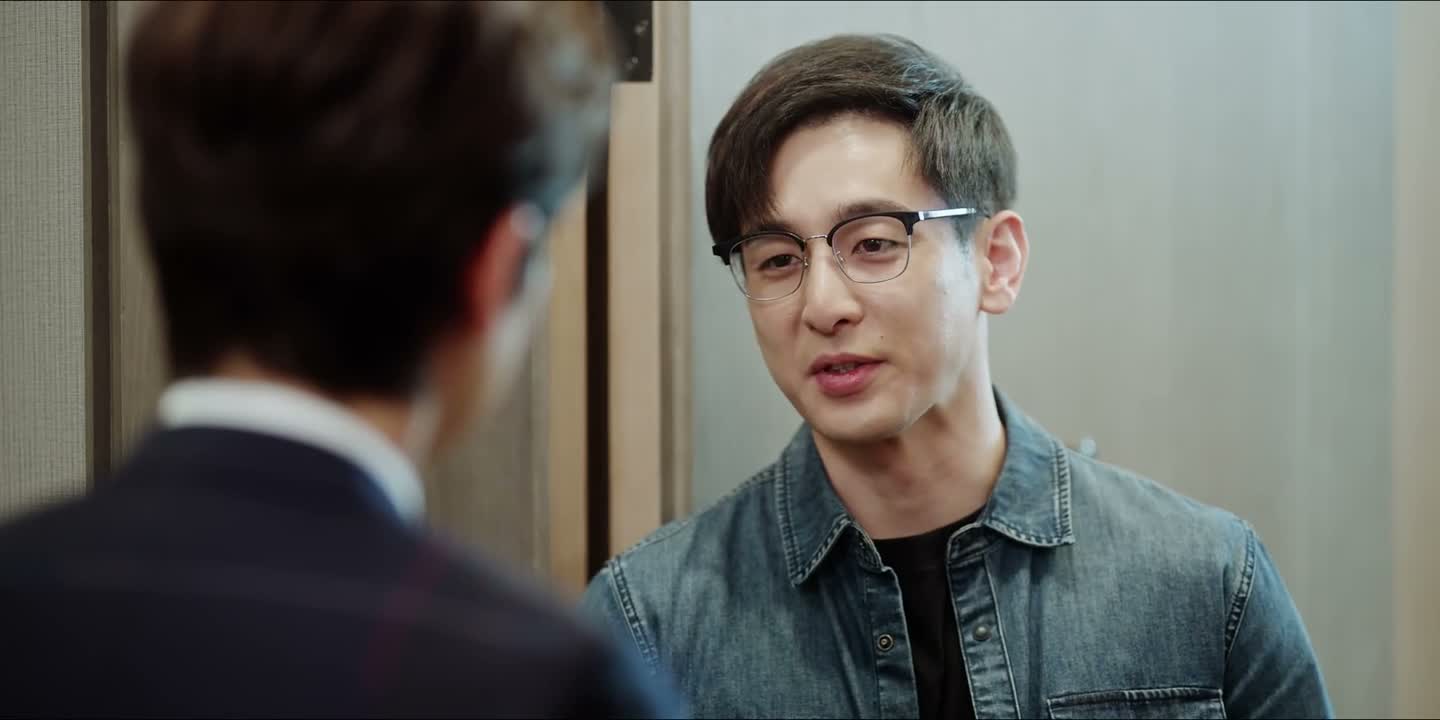
“I accept your apology.”

“or an apology required, I'll bear it as well.”
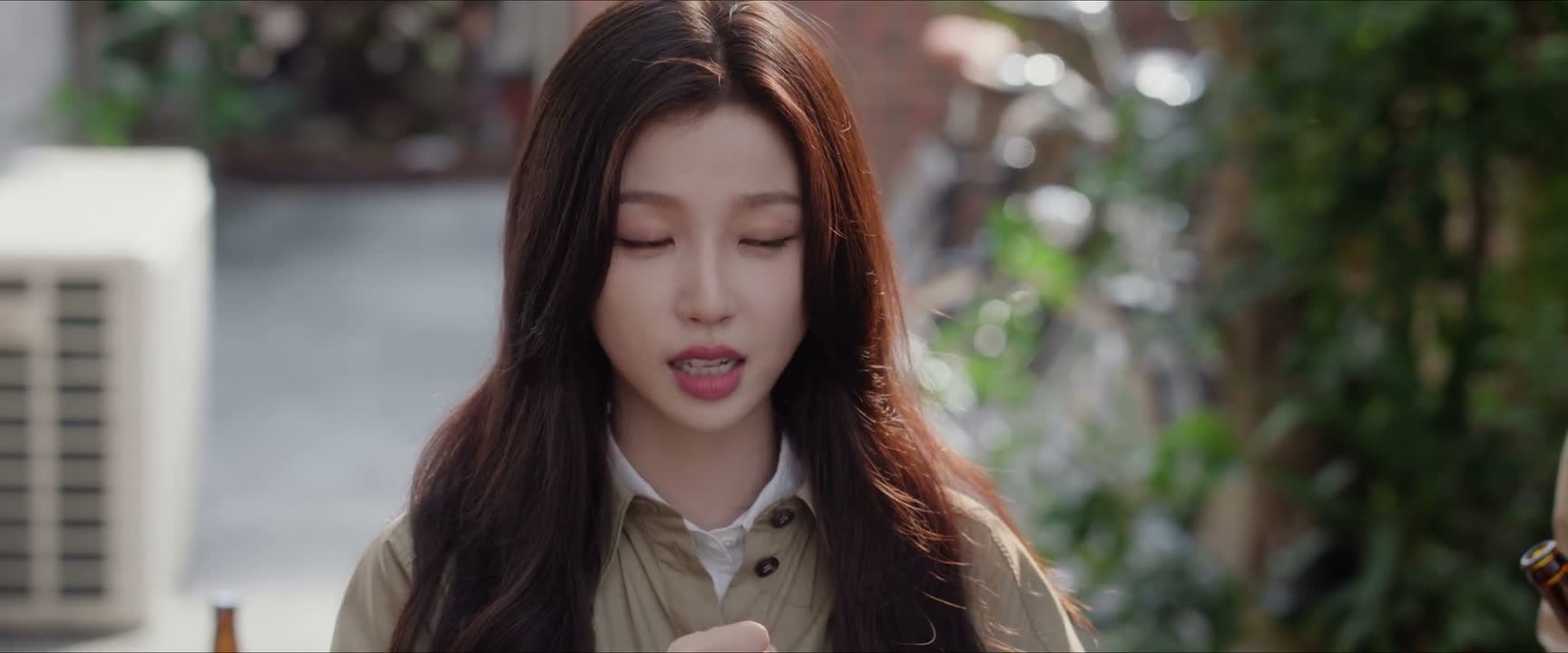
“for my cowardice.”