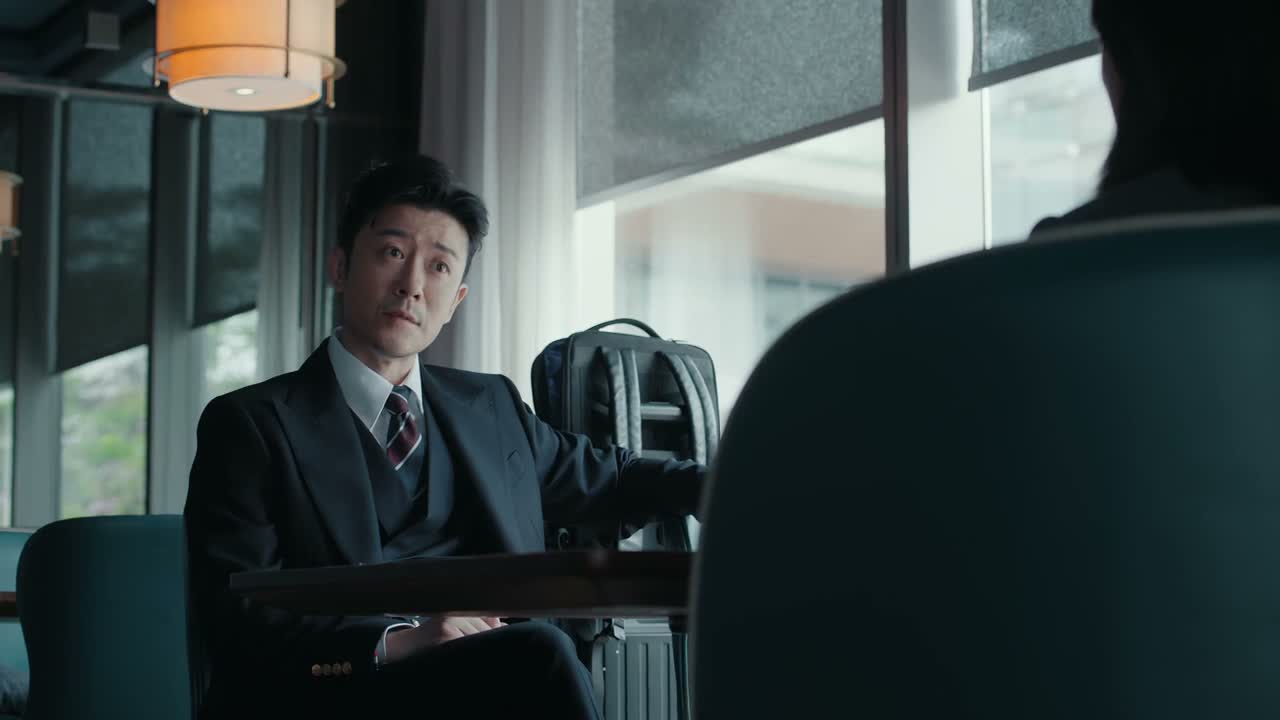
我是来给你赔礼道歉的
“I came to apologize to you.”
THE DIALOGUE REEL
你这个高血压
“With your high blood pressure...”
我是 来 给你 赔礼道歉 的
“I came to apologize to you.”
我说话呀
“Sometimes I speak”
“Please calm down and don't get worked up; I am sincerely here to make peace.”
Apologies often require verbal humility and a formal acknowledgment of fault to restore balance and grant the injured party face.
LEARNING CHUNKS & PARTICLES
to apologize and offer amends
A four-character idiom frequently used in spoken Chinese when someone officially humbles themselves to resolve a dispute.
Emphasizes the specific purpose or intent behind the speaker's arrival.
VOCABULARY & EXPRESSIONS
Parallel Spoken Cinema Scenes (语义近邻切片)
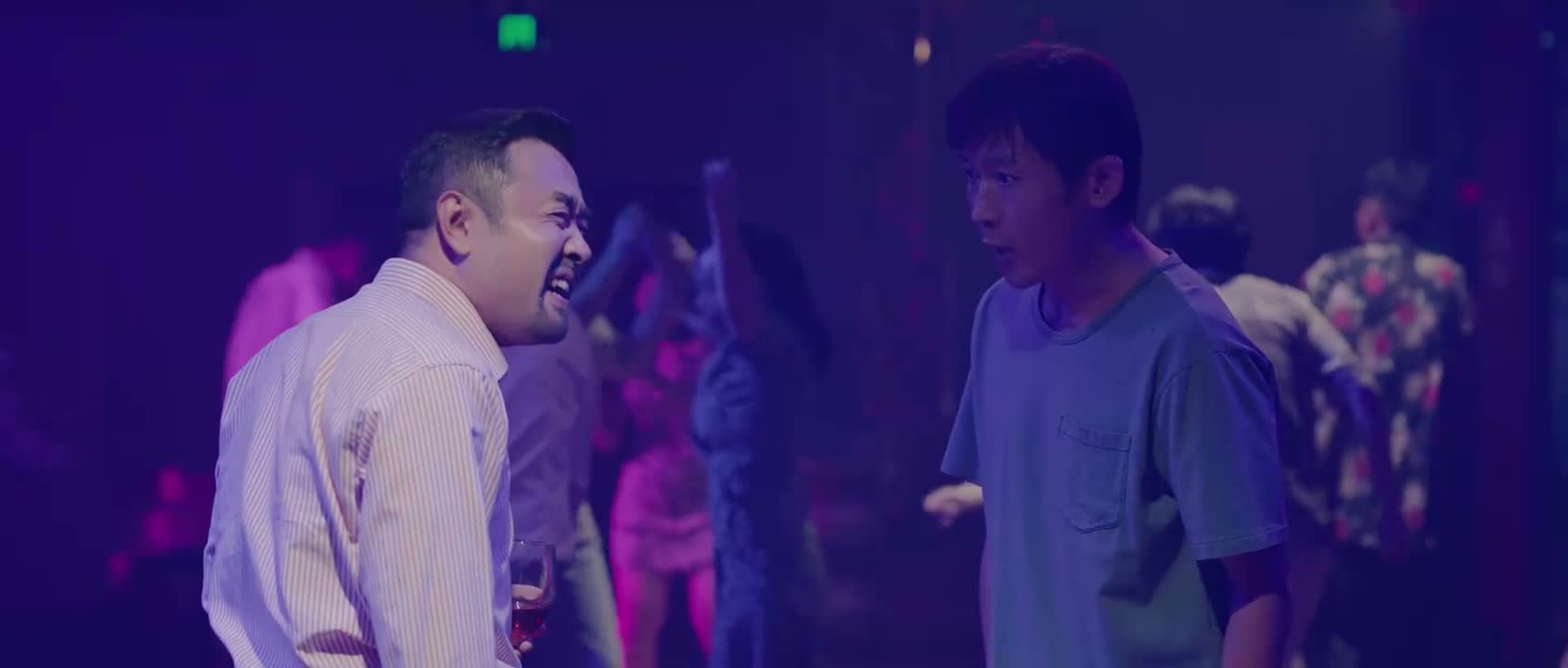
“I came to apologize for what happened earlier today.”

“I just wanted to apologize to you.”
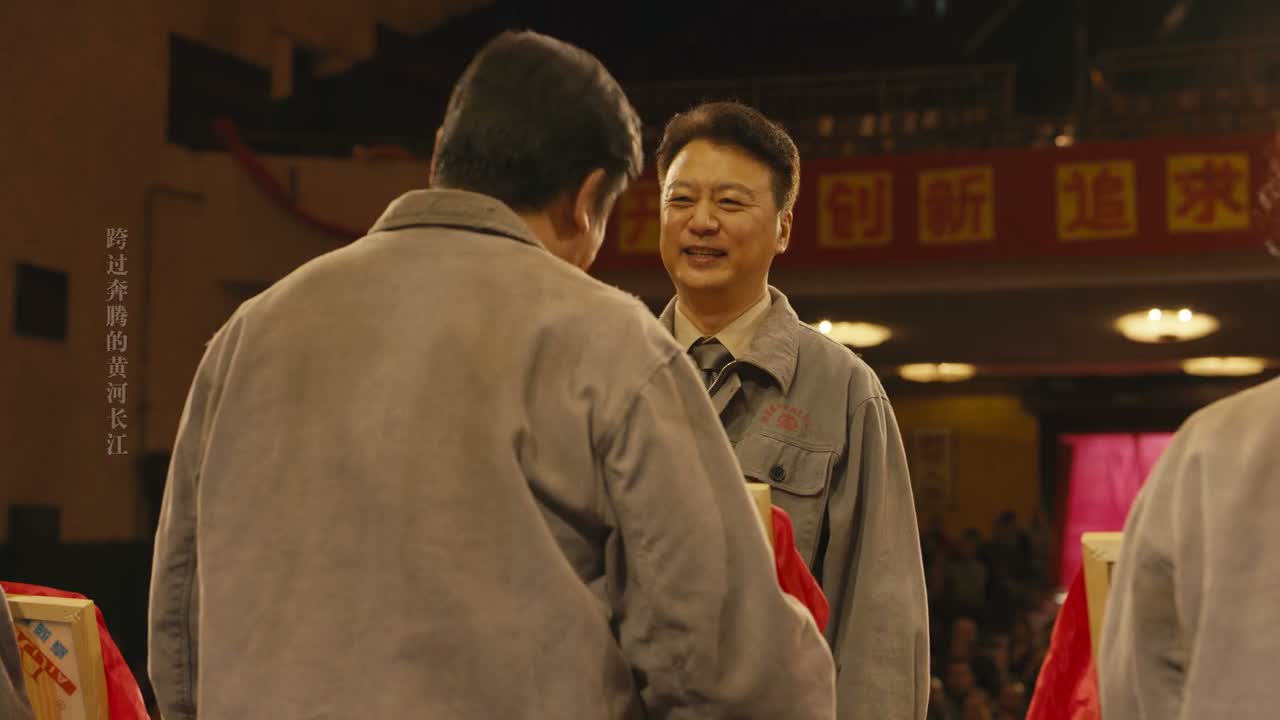
“♪ We've forged through the surging Yellow River and Yangtze ♪ I apologize to you. I'm sorry. ♪ This vast and beautiful land ♪”

“So you'd better sincerely apologize to me now”

“came to apologize today.”
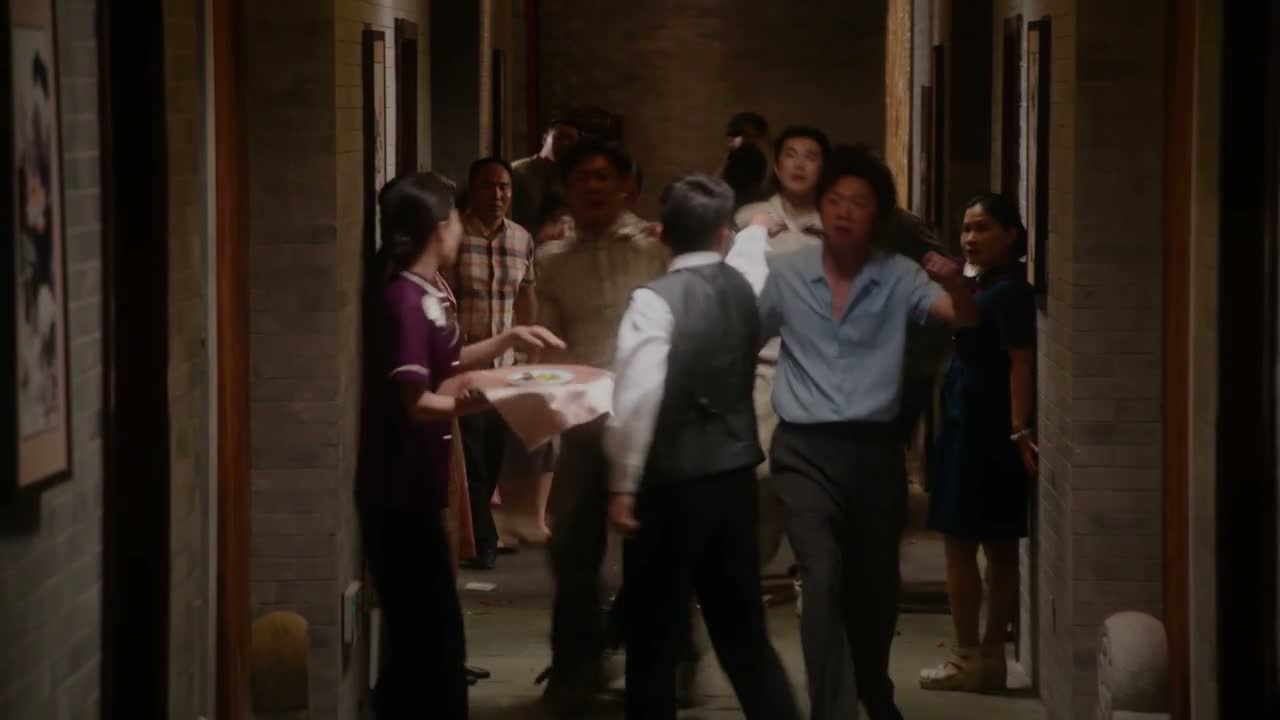
“Apologize to us. Apologize.”

“I sincerely apologize to you.”

“Give me a chance to redeem myself, okay?”
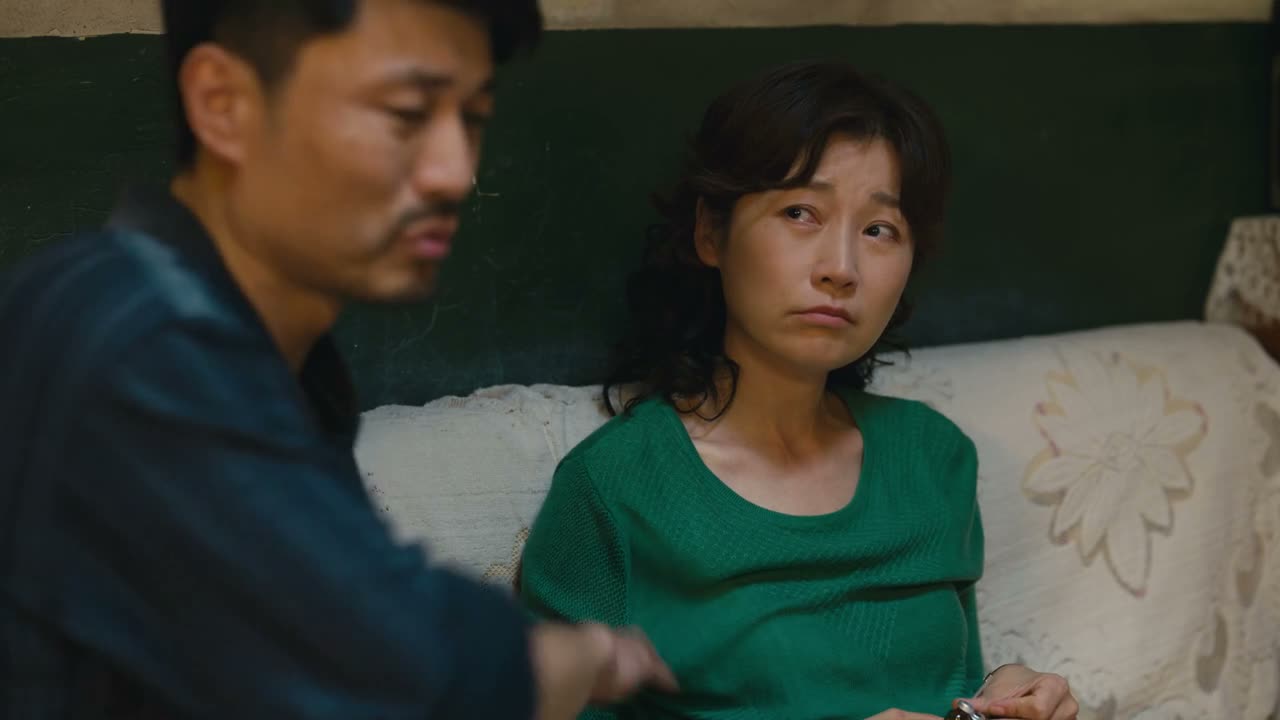
“Then I... I'll go apologize to him.”

“I actually came to apologize.”

“I want to apologize to you.”

“Let it count as making amends to him.”
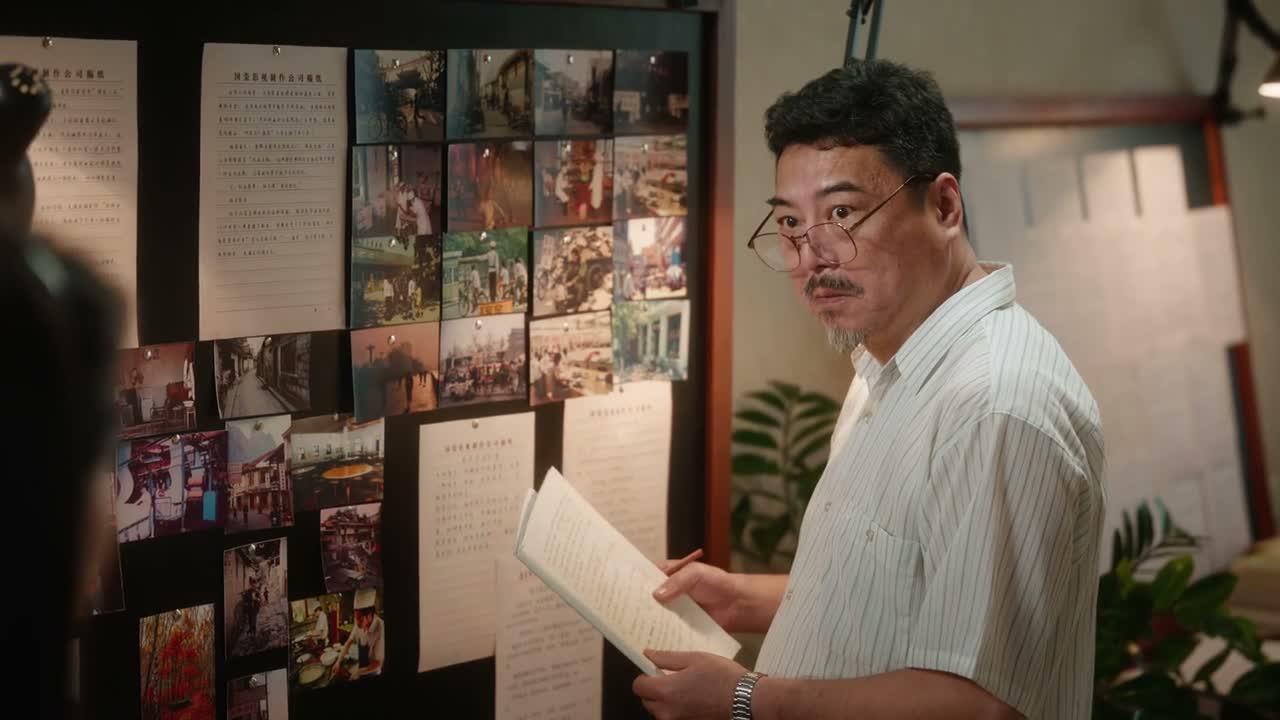
“specifically to apologize to you.”
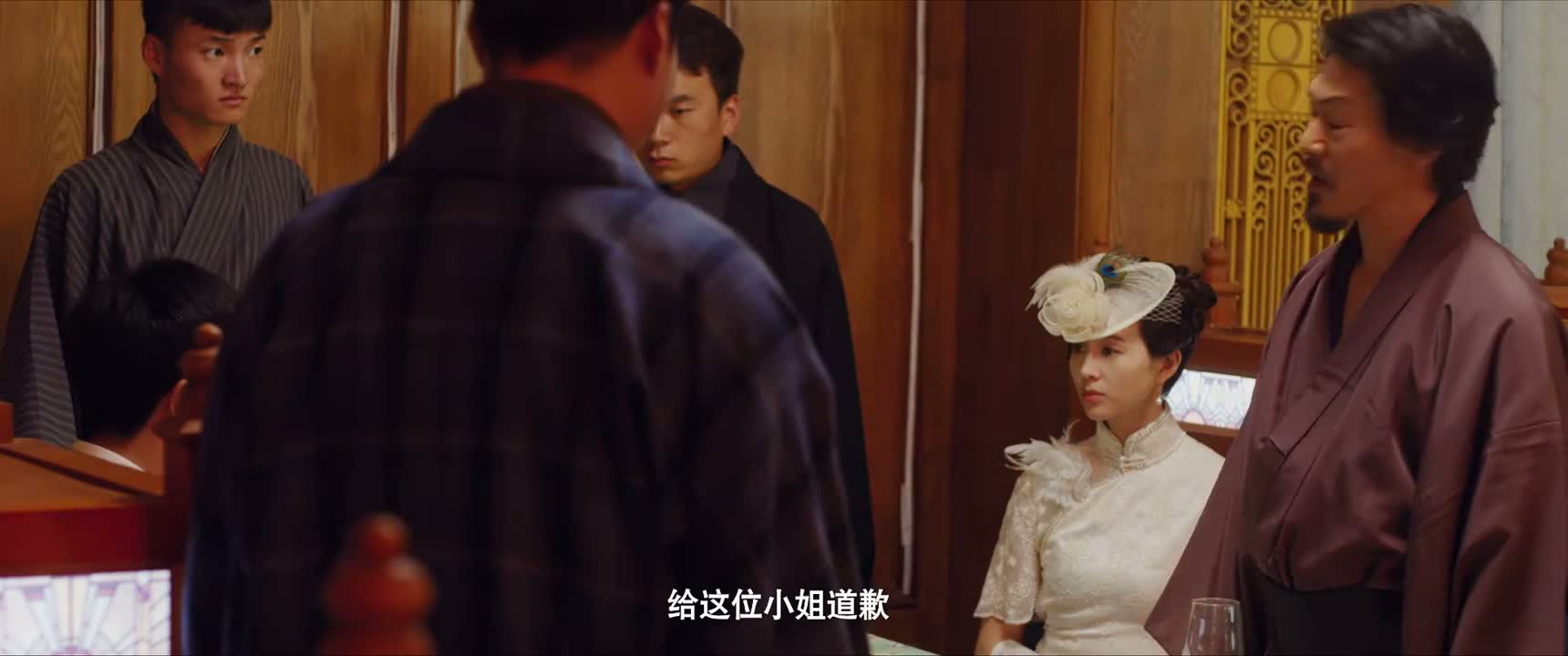
“Apologize to this lady.”

“I owe you an apology.”
“Second, as Dongming's father, I must apologize to you.”
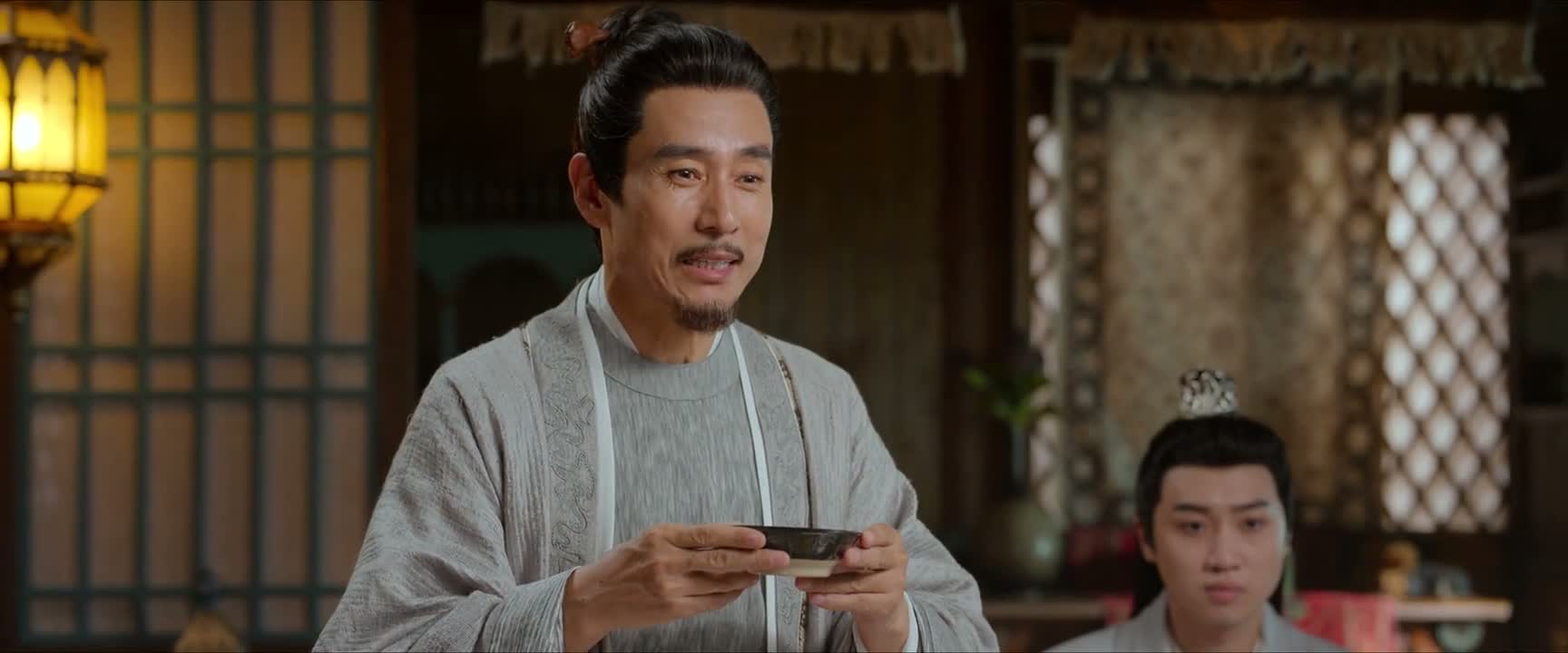
“I'd like to apologize to you for the previous remarks.”

“Apologize publicly to your company.”

“I came here specifically to apologize to you.”
“apologize to the victim,”

“I hope you'll accept my apology.”