MC
MandarinClips Cinema Corpus
《The Lead》 S1·E45 (42:38) HSK 7
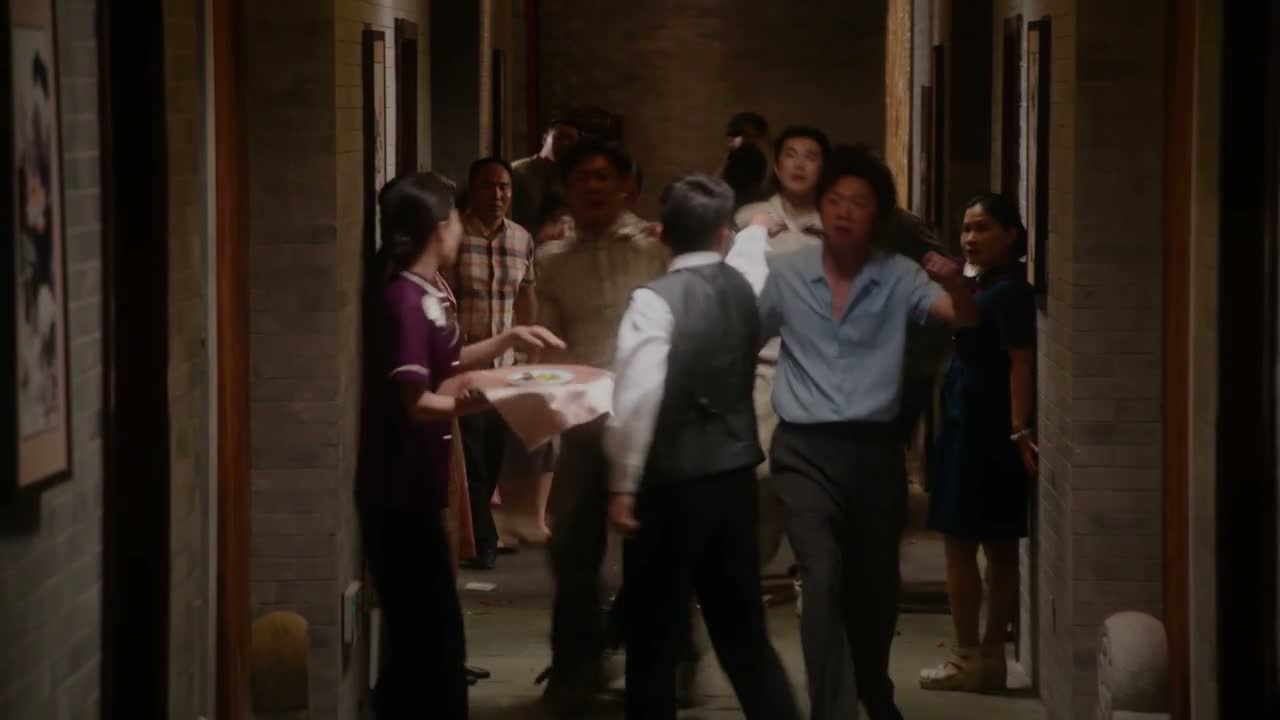
zhè sóng zāo tà rén ne duì ma jiào gěi dào qiàn dào qiàn dào qiàn

这𪨊糟蹋人呢 对嘛 叫给道歉 道歉 道歉

“- He humiliated me. - Yeah. I'll make him apologize.”

《The Lead》 S1·E45
TIMECODE: 42:38 · 1080P MASTER AUDIO

THE DIALOGUE REEL

1+1+1 SPOKEN CONTINUITY
[-1] PREVIOUS TURN bú shì shū

不是 叔

“Come on.”

zhè sóng zāo tà rén ne duì ma jiào gěi dào qiàn dào qiàn dào qiàn CURRENT FOCUS

这𪨊 糟蹋人 呢 对嘛 叫给 道歉 道歉 道歉

“- He humiliated me. - Yeah. I'll make him apologize.”

[+1] FOLLOW-UP TURN dào qiàn kuài wǒ bù

道歉 快 我不

“- Apologize. Now. - No.”

Subtitles synced to millisecond timecode Browse Show Clips →
Scene: Crisis & Conflict
Function: DEMANDING APOLOGY
Tone: ASSERTIVE
Emotion: ANGER
WHAT THEY REALLY MEAN (PRAGMATIC SUBTEXT)

Direct spoken expression in this communicative setting.

💡 Cultural Insight: Restoring Face via Public Apology

In Chinese dispute resolution, an explicit verbal apology is crucial because it publicly restores the victim's mianzi (face) and moral balance.

INTENT TAGS: #demand #intervention #righteous_anger #face_restoration
🧩

LEARNING CHUNKS & PARTICLES

2 CHUNKS · 2 PARTICLES
糟蹋人 SPOKEN CHUNK

mistreating people / humiliating someone

Used to describe behavior that insults another person's dignity or abuses them unjustifiably.

给道歉 SPOKEN CHUNK

make an apology to someone

A colloquial imperative demanding an immediate, explicit apology to the wronged party.

Modal Particle「呢」 (ne) CHANGE OF STATE

Underscores the ongoing and egregious nature of the mistreatment.

Modal Particle「嘛」 (ma) CHANGE OF STATE

Emphasizes obvious agreement with the victim's claim that a line was crossed.
🏮

VOCABULARY & EXPRESSIONS

3 EXPR · 0 GRAMMAR
CROSS-CINEMA CORPUS BOARD · PARALLEL SCENES

Parallel Spoken Cinema Scenes (语义近邻切片)

EXPLORE BY SEMANTIC SIMILARITY
《The Lead》 S1·E45 (42:38) · Authentic Cinema Dialogue Corpus