可我凭什么道歉呀
“Why should I apologize?”
THE DIALOGUE REEL
“She persistently demanded an apology though.”
可 我凭什么 道歉 呀
“Why should I apologize?”
最后你猜怎么着
“Guess what happened next?”
“She was completely out of line, and there was no way I was going to back down and apologize.”
Venting about unreasonable demands ('Why should I apologize?') is a common bonding ritual in Chinese peer relationships, aimed at getting the listener to validate one's grievance.
LEARNING CHUNKS & PARTICLES
on what grounds / why on earth should
Extremely frequent spoken expression used to challenge unfair demands or express indignation at being pushed around.
to apologize
Common verb used both casually and formally for offering an apology.
Softens the rhetorical question slightly into an expressive, aggrieved appeal rather than a purely aggressive attack.
VOCABULARY & EXPRESSIONS
Parallel Spoken Cinema Scenes (语义近邻切片)
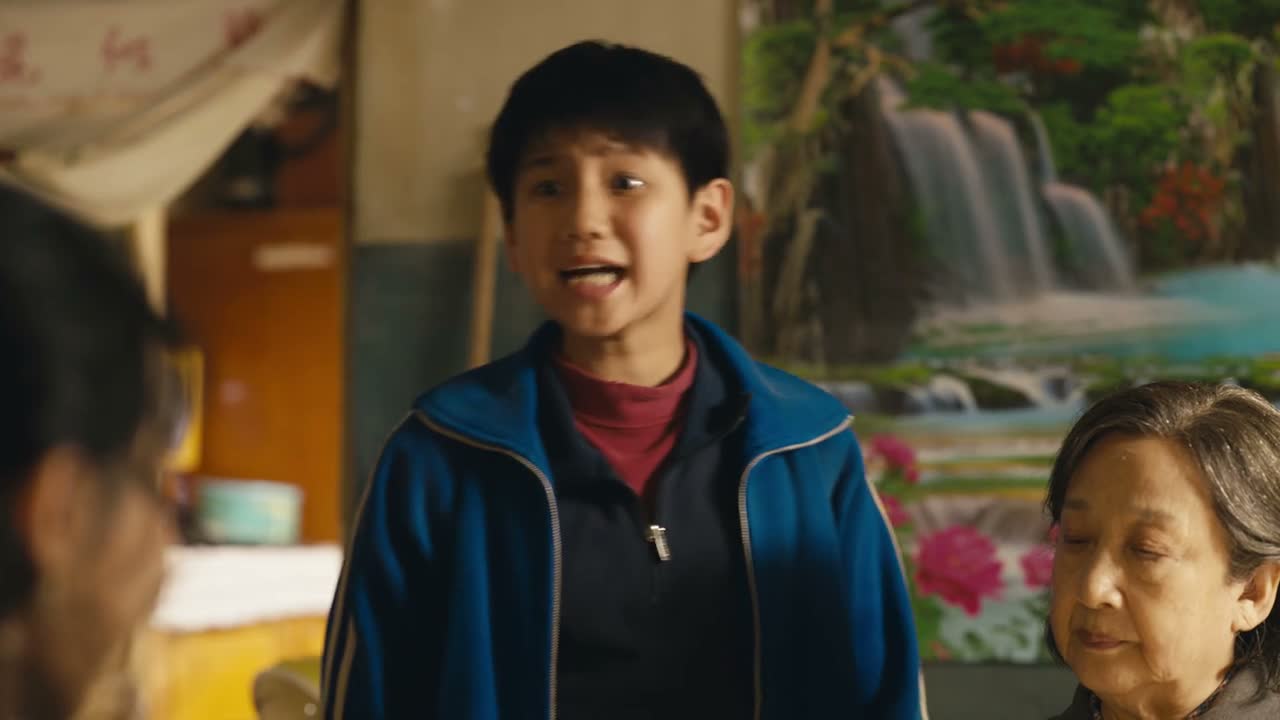
“Why should I apologize to her?”

“No need for that at all. -Yeah. -Exactly.”
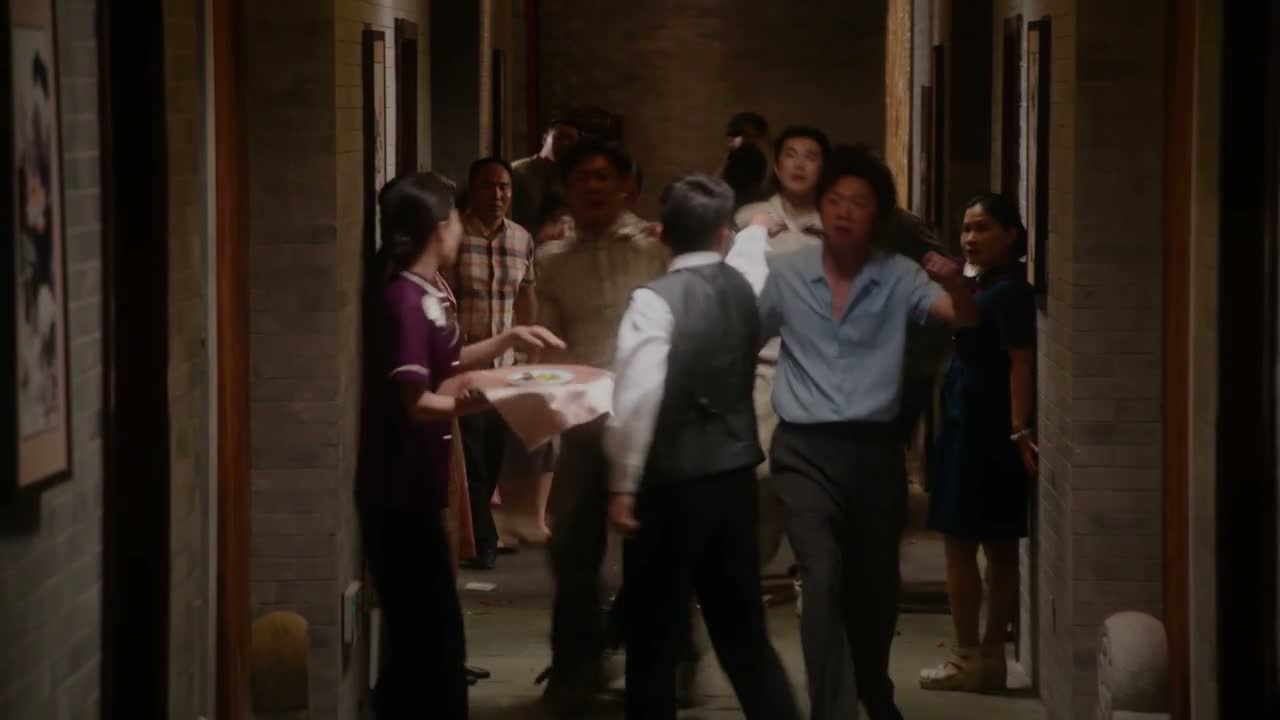
“Apologize to us. Apologize.”

“Give me a chance to redeem myself, okay?”