打人了就要道歉 这么简单的道理 你不明白吗
“If you hit someone, apologize. Don't you understand such a simple thing?”
THE DIALOGUE REEL
“As an adult, take responsibility for your actions.”
打人 了 就要 道歉 这么简单的道理 你不明白吗
“If you hit someone, apologize. Don't you understand such a simple thing?”
“Do all cadres chatter like you?”
“Stop making excuses; you were wrong, so swallow your pride and apologize right now.”
Chinese officials, elders, and educators routinely invoke universal moral dictums ('道理') to compel younger or subordinate individuals to conform to social norms.
LEARNING CHUNKS & PARTICLES
such a simple and obvious truth/principle
Frequently deployed in arguments to demean the counterparty's common sense or moral maturity.
if you hit someone, you must apologize
A straightforward conditional moral statement asserting a basic social rule.
Marks the completed action of hitting, establishing the condition that necessitates an apology.
Forms a sharp rhetorical question, emphasizing how obvious the principle ought to be.
VOCABULARY & EXPRESSIONS
Parallel Spoken Cinema Scenes (语义近邻切片)

“Give her a chance to apologize.”

“Don't be so blunt with her.”

“or an apology required, I'll bear it as well.”
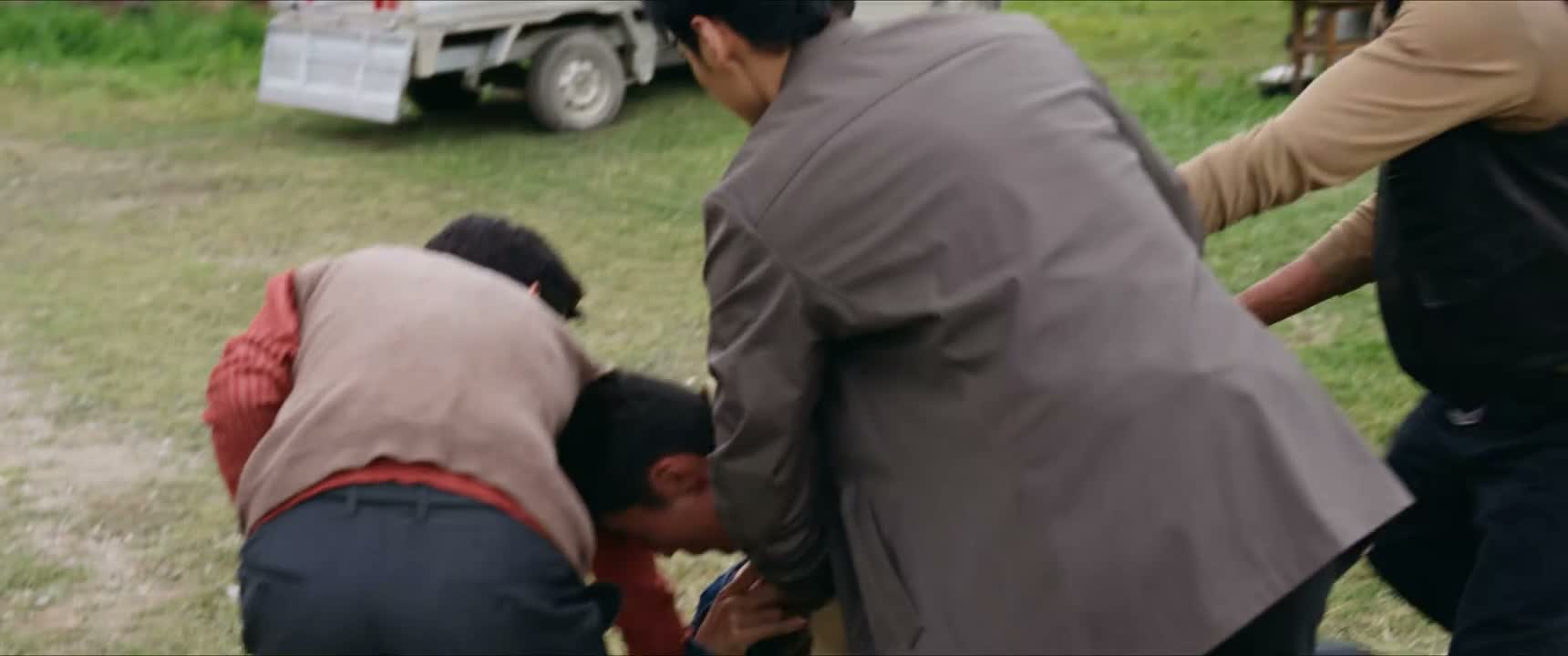
“You want to fight? Don't fight.”

“Stop fighting! Fighting is wrong. He owes us money.”

“They apologized only because they had to.”