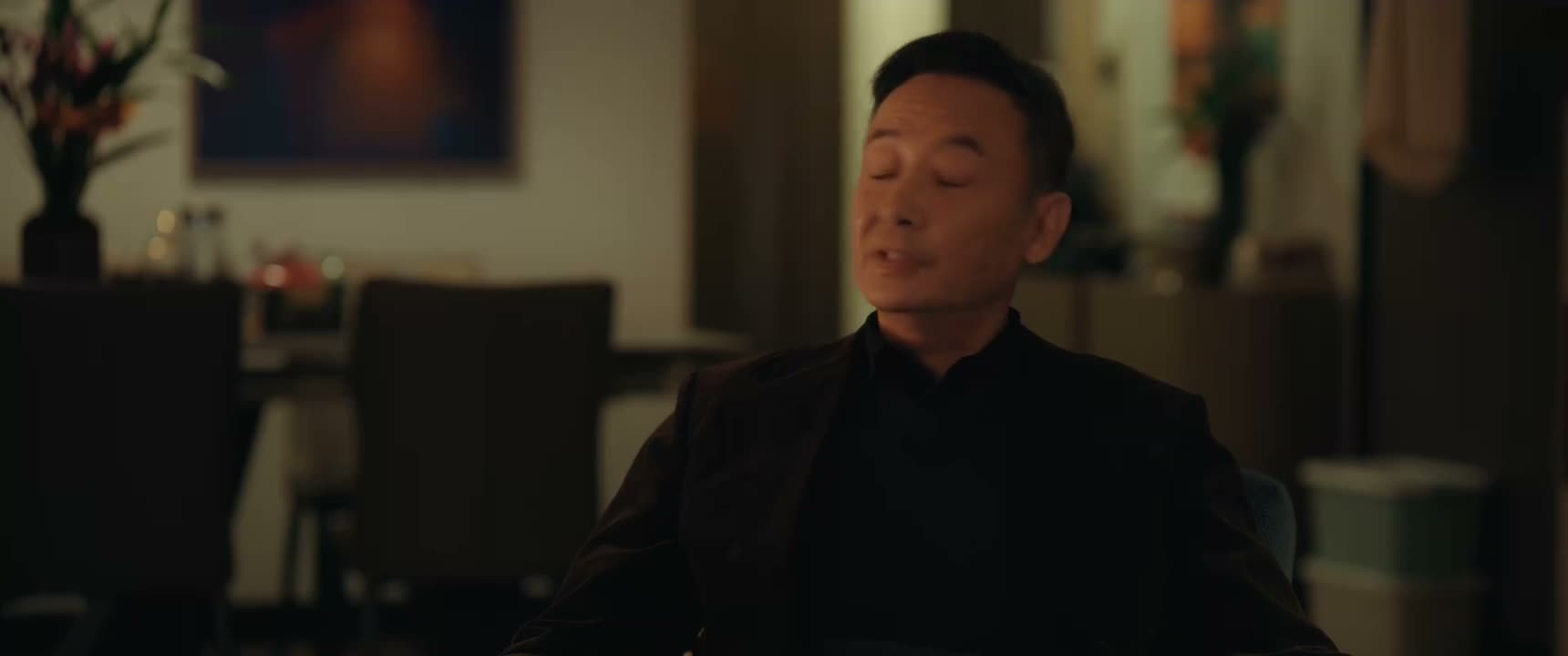
《COURT!》 S1·E3 (15:56)
HSK 4
wǒ wèi wǒ de tài dù gēn nǐ dào qiàn
我为我的态度跟你道歉
“I apologize for my attitude.”
《COURT!》
S1·E3
TIMECODE: 15:56
·
1080P MASTER AUDIO
THE DIALOGUE REEL
[-1] PREVIOUS TURN
bié jī dòng bié jī dòng hǎo ba
别激动 别激动好吧
“Calm down, okay?”
wǒ wèi wǒ de tài dù gēn nǐ dào qiàn
CURRENT FOCUS
我 为 我的态度跟你 道歉
“I apologize for my attitude.”
[+1] FOLLOW-UP TURN
nǐ zhī qián bú shì tǐng yǒu zhāo de ma
“Weren't you full of ideas before?”
Subtitles synced to millisecond timecode
Browse Show Clips →
Scene:
Crisis & Conflict
Function:
APOLOGIZING
Tone:
SINCERE
Emotion:
REMORSE
WHAT THEY REALLY MEAN (PRAGMATIC SUBTEXT)
Direct spoken expression in this communicative setting.
💡 Cultural Insight: Admitting Bad Attitude (Tai Du)
In Chinese interpersonal communication, poor 'attitude' is often viewed as more offensive than making an objective mistake, making explicit apologies for attitude crucial for mending relationships.
INTENT TAGS:
#apologizing
#concession
#de_escalation
#sincerity
🧩
2 CHUNKS · 0 PARTICLES
LEARNING CHUNKS & PARTICLES
为我的态度
SPOKEN CHUNK
for my attitude
Commonly paired with apologies when acknowledging one was overly sharp, impatient, or rude.
跟你道歉
SPOKEN CHUNK
apologize to you
A direct, mature formula to express an explicit apology to another person.
🏮
1 EXPR · 2 GRAMMAR
VOCABULARY & EXPRESSIONS
COLLOQUIAL EXPRESSIONS:
CROSS-CINEMA CORPUS BOARD · PARALLEL SCENES
EXPLORE BY SEMANTIC SIMILARITY
Parallel Spoken Cinema Scenes (语义近邻切片)

《COURT!》 S1·E3 (15:56) · Authentic Cinema Dialogue Corpus