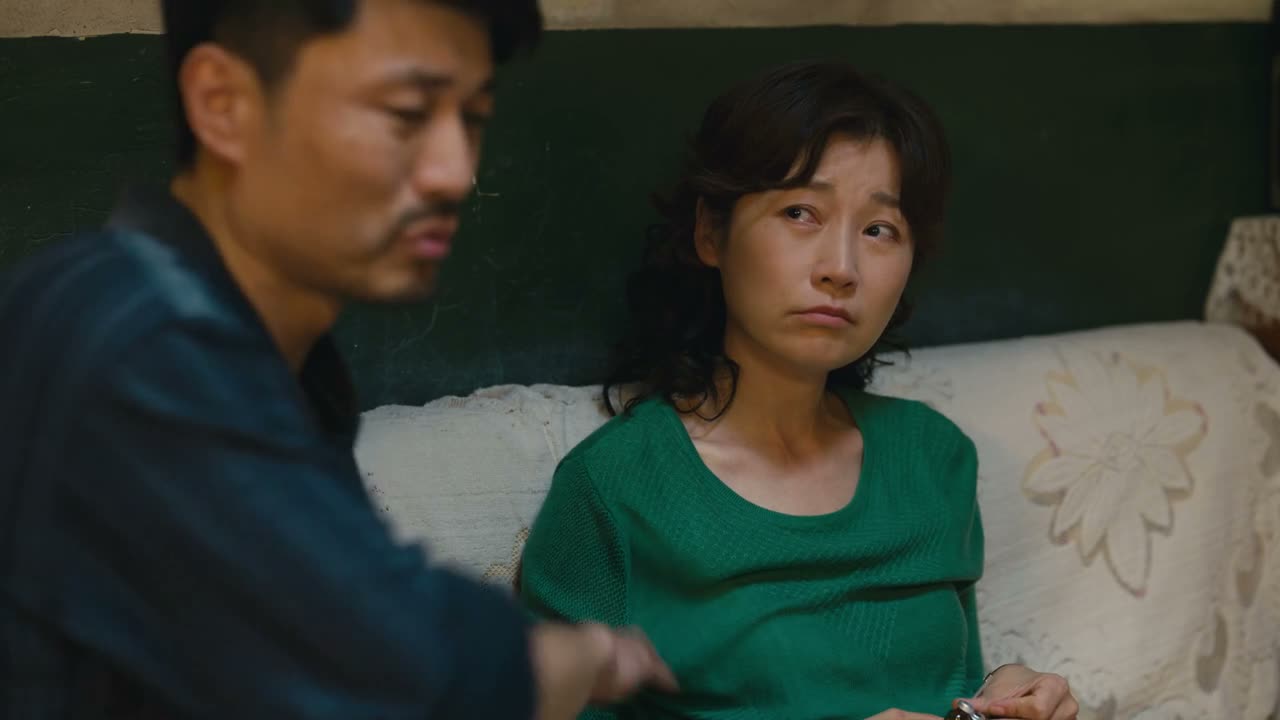
是他碰坏的 应该他道歉
“He was the one who broke it, so he should be the one to apologize.”
THE DIALOGUE REEL
不不不
“No, no, no.”
是 他 碰坏 的 应该 他 道歉
“He was the one who broke it, so he should be the one to apologize.”
你是要角谷先生给你道歉
“So you want Mr. Kakutani to apologize to you?”
“He's the one at fault, and I'm not backing down until he owns up to it.”
In interpersonal communication, directly demanding an apology often implies dropping polite pretenses and risking open conflict; referencing a person's status or specific individuals reflects the tension between social hierarchy and personal accountability.
LEARNING CHUNKS & PARTICLES
to damage by bumping or knocking into
A resultative complement structure (verb 'peng' + result complement 'huai'), used to describe the damaging outcome caused by an action.
ought to; someone should do something
Used to express moral obligation, fairness, or the rightful attribution of responsibility according to reason.