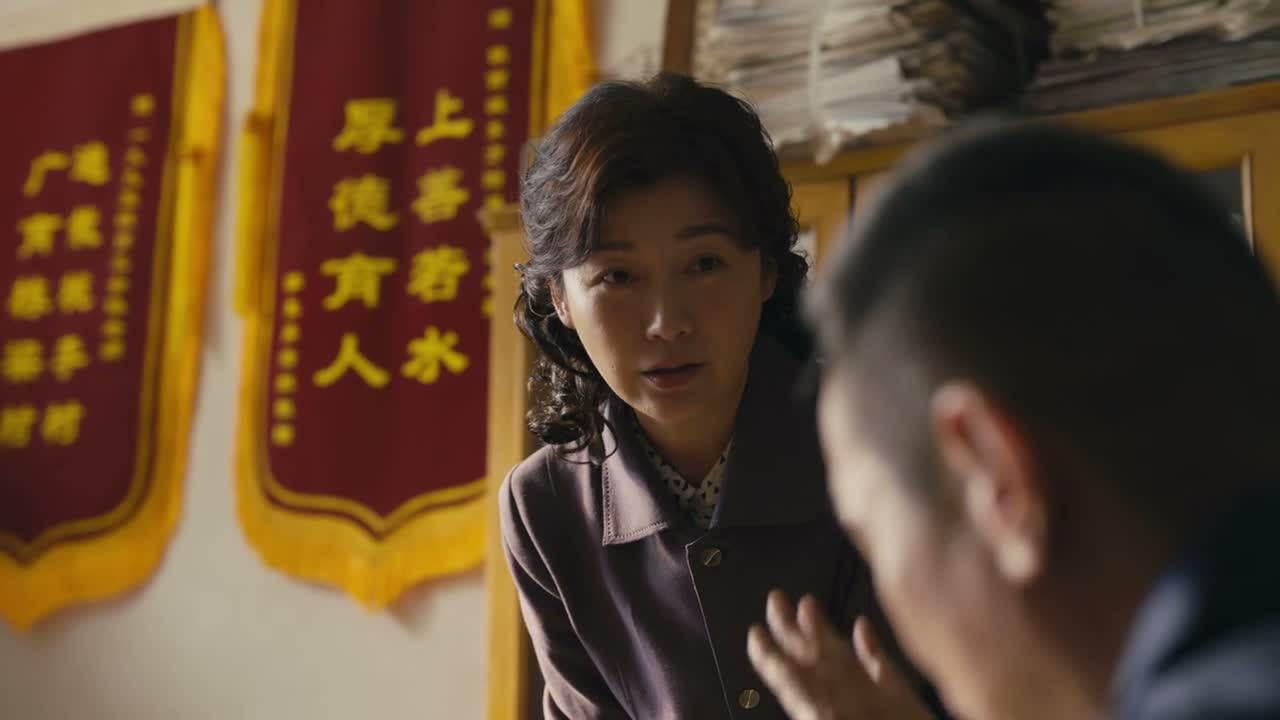
《The Lead》 S1·E17 (19:07)
HSK 4
wǒ bù xū yào nǐ men de dào qiàn
我不需要你们的道歉
“I don't need your apology.”
《The Lead》
S1·E17
TIMECODE: 19:07
·
1080P MASTER AUDIO
THE DIALOGUE REEL
[-1] PREVIOUS TURN
jīn tiān wǒ men shì chéng xīn dì lái gěi nǐ dào gè qiàn xiōng dì lái ná zhe
今天我们是诚心地来给你道个歉 兄弟 来 拿着
“We're here to sincerely apologize. Bro, here. Take it.”
wǒ bù xū yào nǐ men de dào qiàn
CURRENT FOCUS
我不 需要你 们的 道歉
“I don't need your apology.”
[+1] FOLLOW-UP TURN
gǎn jǐn zǒu wǒ gào sù nǐ men zhè shì méi wán
“Leave, now. I'm telling you. This isn't over.”
Subtitles synced to millisecond timecode
Browse Show Clips →
Scene:
Crisis & Conflict
Function:
REJECTING APOLOGY
Tone:
HOSTILE
Emotion:
ANGER
WHAT THEY REALLY MEAN (PRAGMATIC SUBTEXT)
“Your fake apology means nothing to me; you will pay for what you did.”
💡 Cultural Insight: Rejecting Gifts and Settlement (送礼和解)
Bringing gifts to accompany an apology is a standard Chinese ritual to mend damaged relations; explicitly rejecting both the apology and the gift signals that the conflict cannot be reconciled socially.
INTENT TAGS:
#rejection
#hostility
#defiance
#threat
🧩
2 CHUNKS · 0 PARTICLES
LEARNING CHUNKS & PARTICLES
不需要
SPOKEN CHUNK
do not need; have no use for
When used with abstract relational terms like '道歉' (apology), it expresses definitive rejection and hostility.
道歉
SPOKEN CHUNK
apology; to apologize
Standard noun or verb for making amends or saying sorry in interpersonal communication.
🏮
2 EXPR · 1 GRAMMAR
VOCABULARY & EXPRESSIONS
COLLOQUIAL EXPRESSIONS:
GRAMMAR BLUEPRINTS:
CROSS-CINEMA CORPUS BOARD · PARALLEL SCENES
EXPLORE BY SEMANTIC SIMILARITY
Parallel Spoken Cinema Scenes (语义近邻切片)
《The Lead》 S1·E17 (19:07) · Authentic Cinema Dialogue Corpus