MC
MandarinClips Cinema Corpus
《Grave Robbery》 S0·E0 (55:00) HSK 7
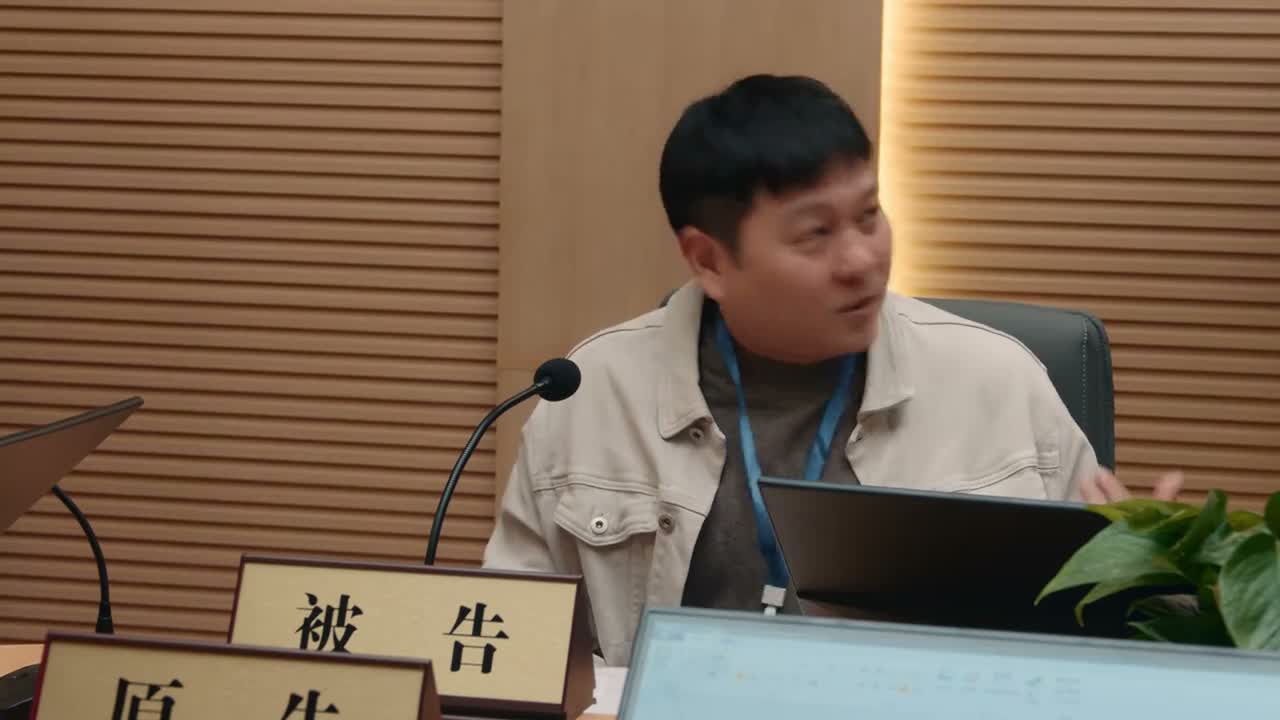
wǒ yīng gāi zhào nǎ a duì bù qǐ duì bù qǐ wǒ cuò le cuò le dào qiàn

我应该罩哪啊 对不起对不起 我错了错了 道歉

“Where should my turf be? I'm sorry. I was wrong. I apologize.”

《Grave Robbery》 S0·E0
TIMECODE: 55:00 · 1080P MASTER AUDIO

THE DIALOGUE REEL

1+1+1 SPOKEN CONTINUITY
[-1] PREVIOUS TURN shuō ba

说吧

“Tell me.”

wǒ yīng gāi zhào nǎ a duì bù qǐ duì bù qǐ wǒ cuò le cuò le dào qiàn CURRENT FOCUS

我应该罩哪啊 对不起对不起 我错了 错了 道歉

“Where should my turf be? I'm sorry. I was wrong. I apologize.”

[+1] FOLLOW-UP TURN cuò le cuò le duì bù qǐ duì bù qǐ

“I was wrong. I'm sorry.”

Subtitles synced to millisecond timecode Browse Show Clips →
Scene: Crisis & Conflict
Function: PLEADING FOR MERCY
Tone: SUBMISSIVE
Emotion: FEAR
WHAT THEY REALLY MEAN (PRAGMATIC SUBTEXT)
“Please spare me, I will do whatever you say and take all the blame!”
💡 Cultural Insight: Submissive De-escalation (Ren-cuo)

Repeatedly uttering 'I was wrong' and apologizing rapidly is a verbal self-lowering strategy designed to defuse an opponent's physical wrath in Chinese street confrontations.

INTENT TAGS: #apologizing #de_escalation #submission #begging_mercy
🧩

LEARNING CHUNKS & PARTICLES

2 CHUNKS · 2 PARTICLES
对不起 SPOKEN CHUNK

I'm sorry; excuse me

The standard apology in Chinese, repeated rapidly in high-stakes situations to signal total submission.

我错了 SPOKEN CHUNK

I was wrong; my mistake

A direct admission of fault frequently used in personal conflicts or when backing down under pressure.

Modal Particle「啊」 (a) CHANGE OF STATE

Expresses bewilderment and flustered urgency in the rhetorical question.

Modal Particle「了」 (le) CHANGE OF STATE

Signals realization of having committed an error.
🏮

VOCABULARY & EXPRESSIONS

3 EXPR · 0 GRAMMAR
CROSS-CINEMA CORPUS BOARD · PARALLEL SCENES

Parallel Spoken Cinema Scenes (语义近邻切片)

EXPLORE BY SEMANTIC SIMILARITY
《Grave Robbery》 S0·E0 (55:00) · Authentic Cinema Dialogue Corpus