不懂事
bù dǒng shìCommon spoken expression used by native Chinese speakers in daily life.
[Scene: 家庭日常]
(13 clips) 00:02
 00:02
 00:02
 00:03
(爸爸在家教你) ── Previous context
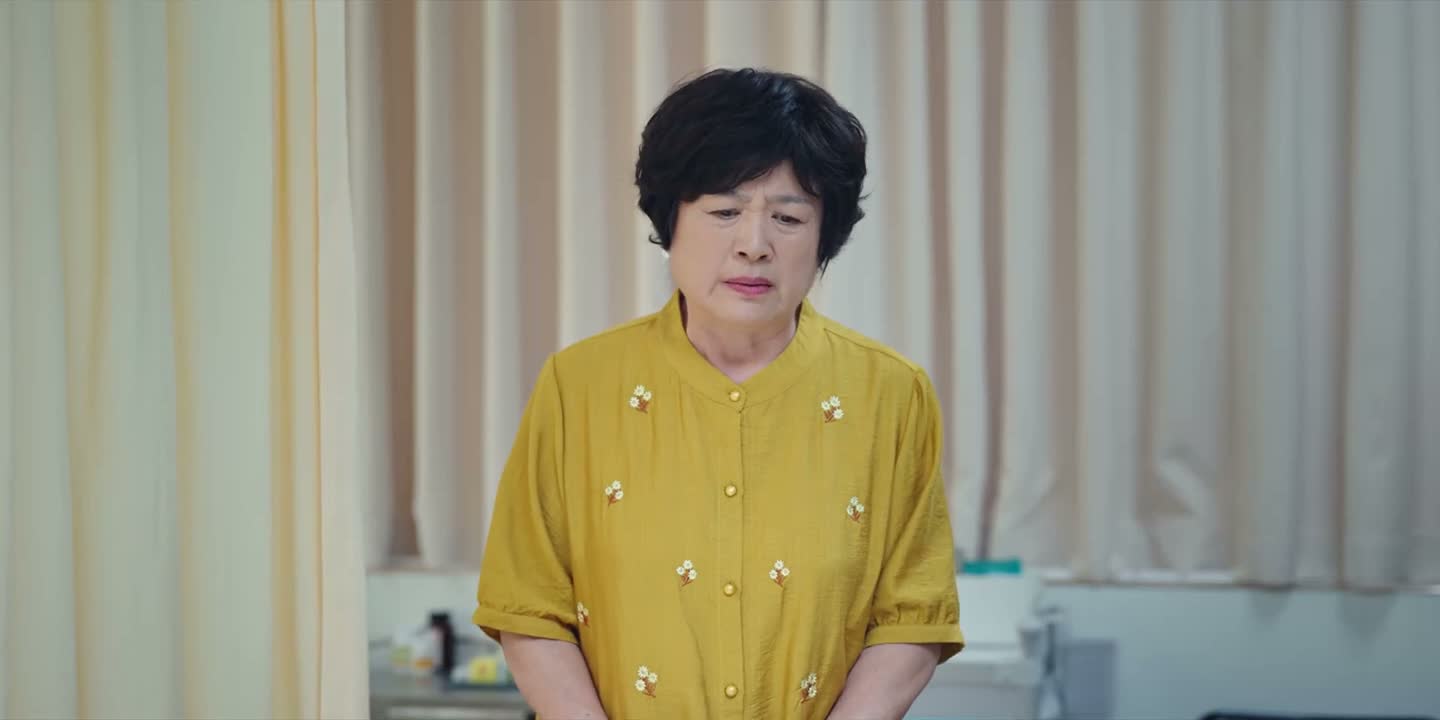
“Pony is too young. He doesn't understand. He has no idea how I feel as his dad.”
 00:02
 00:03
 00:02
 00:02
(当着孩子面咱别吵好不好) ── Previous context
“You teach your child, and I teach mine. You call my son rude. I call your daughter scheming.”
 00:02
(那是你没教育好) ── Previous context
“If you teach him right, would he be so rude at his age?”
 00:03
(妈不难过 你们这么懂事 妈高兴) ── Previous context
“Then see how sensible I am. Are you happy? Go away.”
 00:02
 00:03
 00:03
[Scene: 其他场景]
(4 clips) 00:03
(打林建设的人是我 不关阿喜的事 而且明明是) ── Previous context
“who was being unreasonable. He was being immature! Don't mention him!”
 00:02
 00:03
(刘红兵) ── Previous context
“If you don't know what's good for you, fine, go on leading everyone in making trouble.”
 00:02
[Scene: 其他场景]
(3 clips) 00:02
 00:03
 00:03
[Scene: 餐饮美食]
(2 clips) 00:03
(那我们一起干一杯 祝您身体健康 好好好) ── Previous context
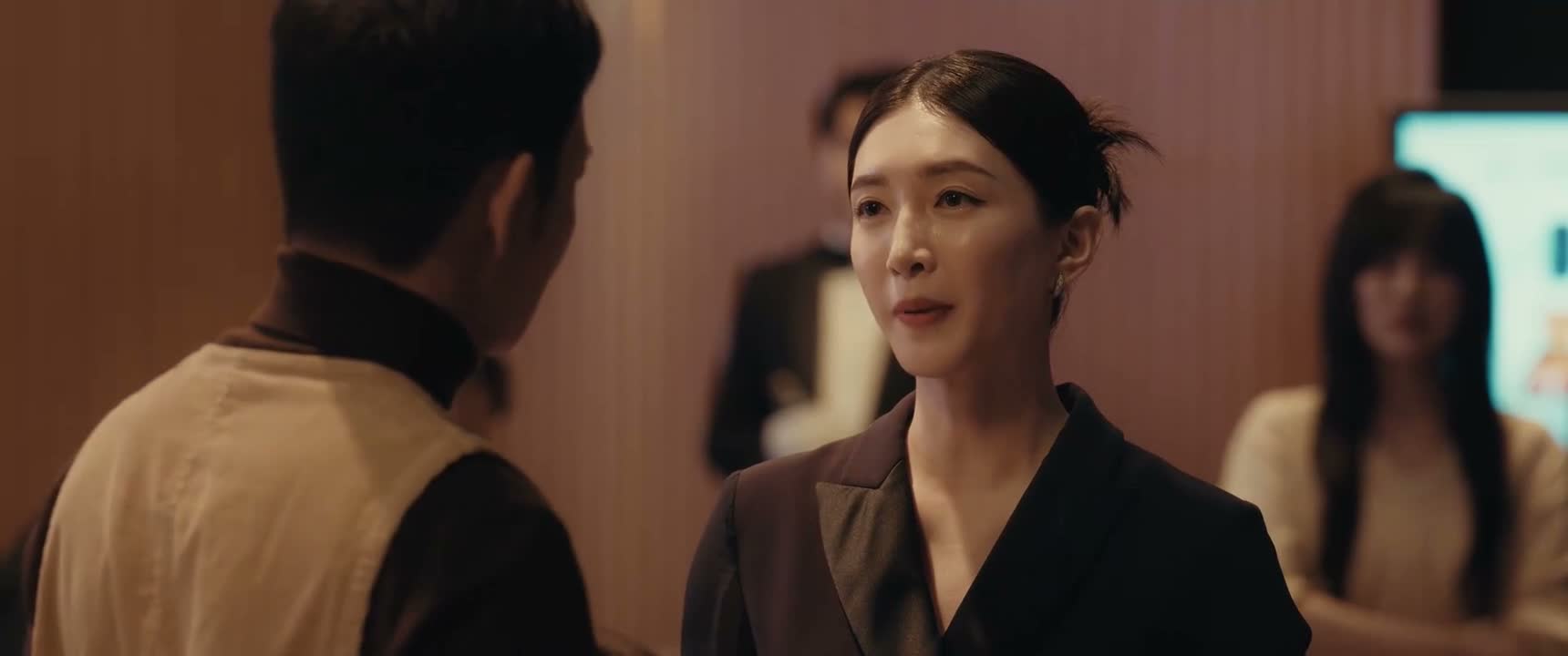
“Boys. -Come on. -Drink a toast to Mr. Gao. Where are your manners? Okay.”
 00:03
(前辈来敬晚辈酒) ── Previous context
“it would be disrespectful for juniors not to drink at all.”
[Scene: 社交聚会]
(2 clips) 00:02
 00:02
[Scene: 警匪刑侦]
(1 clips) 00:02
[Scene: 职场工作]
(1 clips) 00:02
📌 你说你
→Nuance: 核心交际意图一致且可替换
📌 没事
→Nuance: 共享核心口语谓词: [不好意思]
📌 认错
→Nuance: 同向近义词根配对: [抱歉 ↔ 不好意思]
📌 怎么办
→Nuance: 同向近义词根配对: [实在 ↔ 真的]
📌 添麻烦
→Nuance: 同向近义词根配对: [感谢 ↔ 谢谢]
📌 意外
→Nuance: 共享核心口语谓词: [不好意思]
📌 对不起
→Nuance: 同向近义词根配对: [对不起 ↔ 不好意思]
📌 不好意思
→Nuance: 同向近义词根配对: [抱歉 ↔ 不好意思]
📌 你这孩子
→Nuance: 责备对方不懂事意图完全一致