MC
MandarinClips Cinema Corpus
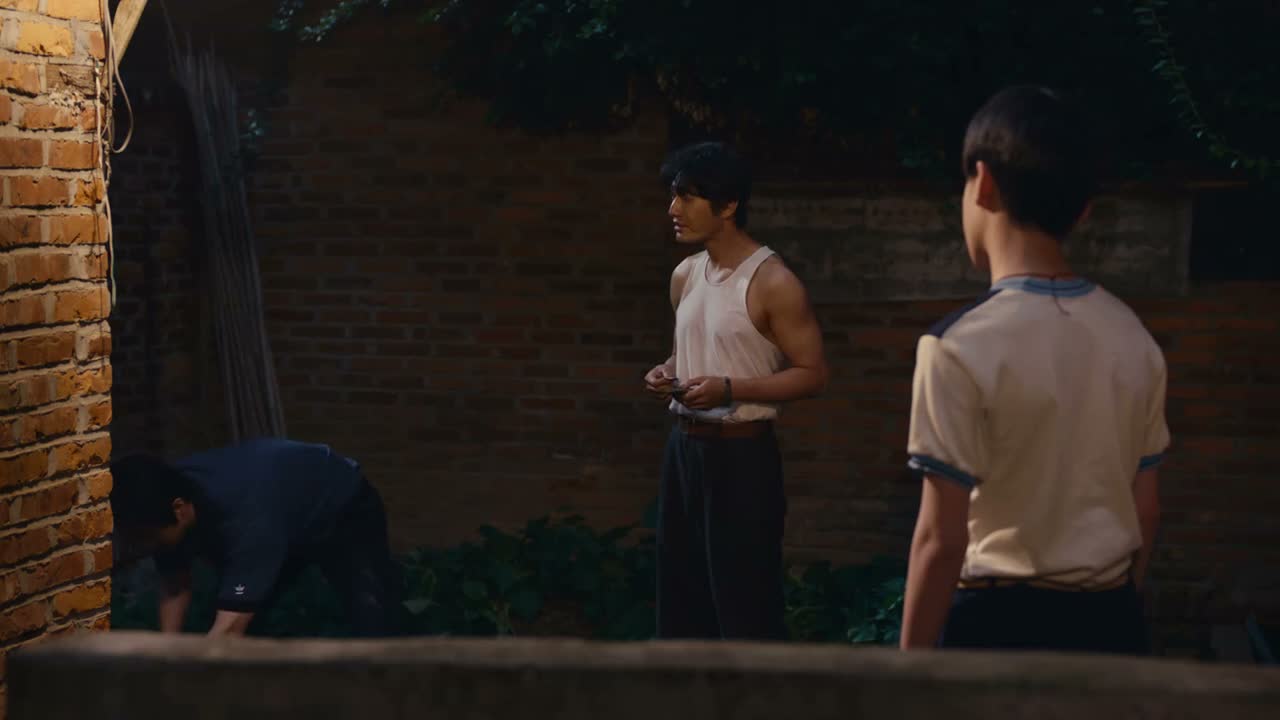
《Vanished Name》 S1·E2 (32:00) HSK 7
dà de bù dǒng shì dà de bù tǎo rén xǐ huān

大的不懂事 大的不讨人喜欢

“immature, and unlikable."”

《Vanished Name》 S1·E2
TIMECODE: 32:00 · 1080P MASTER AUDIO

THE DIALOGUE REEL

1+1+1 SPOKEN CONTINUITY
[-1] PREVIOUS TURN nǐ gēn bié rén tí qǐ wǒ yǒng yuǎn dōu shì dà de bèn

“And me? When you talk about me, you always say, "The old one is stupid,”

dà de bù dǒng shì dà de bù tǎo rén xǐ huān CURRENT FOCUS

大的 不懂事 大的 不讨人喜欢

“immature, and unlikable."”

[+1] FOLLOW-UP TURN nǐ lián wǒ de míng zì dōu lǎn de tí

你连我的名字都懒得提

“You don't even mention my name.”

Subtitles synced to millisecond timecode Browse Show Clips →
Scene: Family & Home
Function: VENTING GRIEVANCE
Tone: BITTER AND ACCUSATORY
Emotion: RESENTMENT
WHAT THEY REALLY MEAN (PRAGMATIC SUBTEXT)
“You always write me off and favor the younger one, no matter what I do.”
💡 Cultural Insight: Sibling Dynamics and Eldest Child Burden (老大情结)

In traditional multi-child Chinese households, the eldest child often bears heavy expectations to be sensible (懂事), which can foster deep resentment if paired with parental favoritism toward younger siblings.

INTENT TAGS: #grievance #accusation #resentment #venting
🧩

LEARNING CHUNKS & PARTICLES

2 CHUNKS · 0 PARTICLES
不懂事 SPOKEN CHUNK

inconsiderate; lacks maturity/sense

Crucial cultural descriptor commonly used by Chinese elders to criticize younger generations for failing to meet family expectations.

不讨人喜欢 SPOKEN CHUNK

unlikable; not endearing

Used to describe an individual whose personality or behavior fails to win affection from others.
🏮

VOCABULARY & EXPRESSIONS

2 EXPR · 0 GRAMMAR
CROSS-CINEMA CORPUS BOARD · PARALLEL SCENES

Parallel Spoken Cinema Scenes (语义近邻切片)

EXPLORE BY SEMANTIC SIMILARITY
《Vanished Name》 S1·E2 (32:00) · Authentic Cinema Dialogue Corpus