你跟别人提起我永远都是大的笨
“And me? When you talk about me, you always say, "The old one is stupid,”
THE DIALOGUE REEL
我呢
“And me? When you talk about me, you always say, "The old one is stupid,”
你跟别人 提起 我永远都是 大的笨
“And me? When you talk about me, you always say, "The old one is stupid,”
“immature, and unlikable."”
“You always humiliate me in front of outsiders and never acknowledge my worth.”
Traditional Chinese modesty often led parents to deprecate their own children—especially the eldest—in front of outsiders to appear humble, which frequently causes profound emotional trauma and feelings of favoritism.
LEARNING CHUNKS & PARTICLES
bring up to others / mention to outside people
Commonly used to describe what family members say about each other in front of third parties or acquaintances.
always / without fail
Used in emotionally charged complaints to highlight an unfair, recurring pattern of behavior.
VOCABULARY & EXPRESSIONS
Parallel Spoken Cinema Scenes (语义近邻切片)

“I think that I was just an idiot”

“Do you always have to be this aggressive and twist other people's goodwill toward you?”
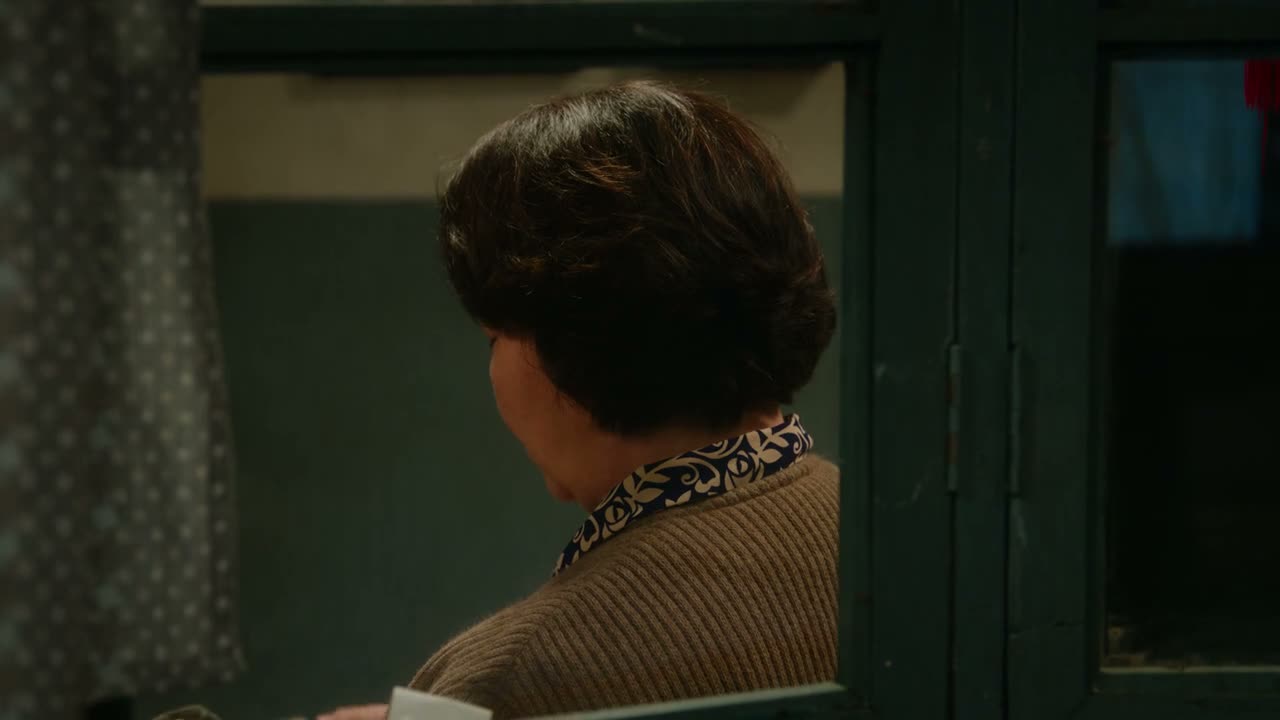
“you would never grow up”

“Why am I always just your understudy?”

“You are older than me. Can you just let me finish?”
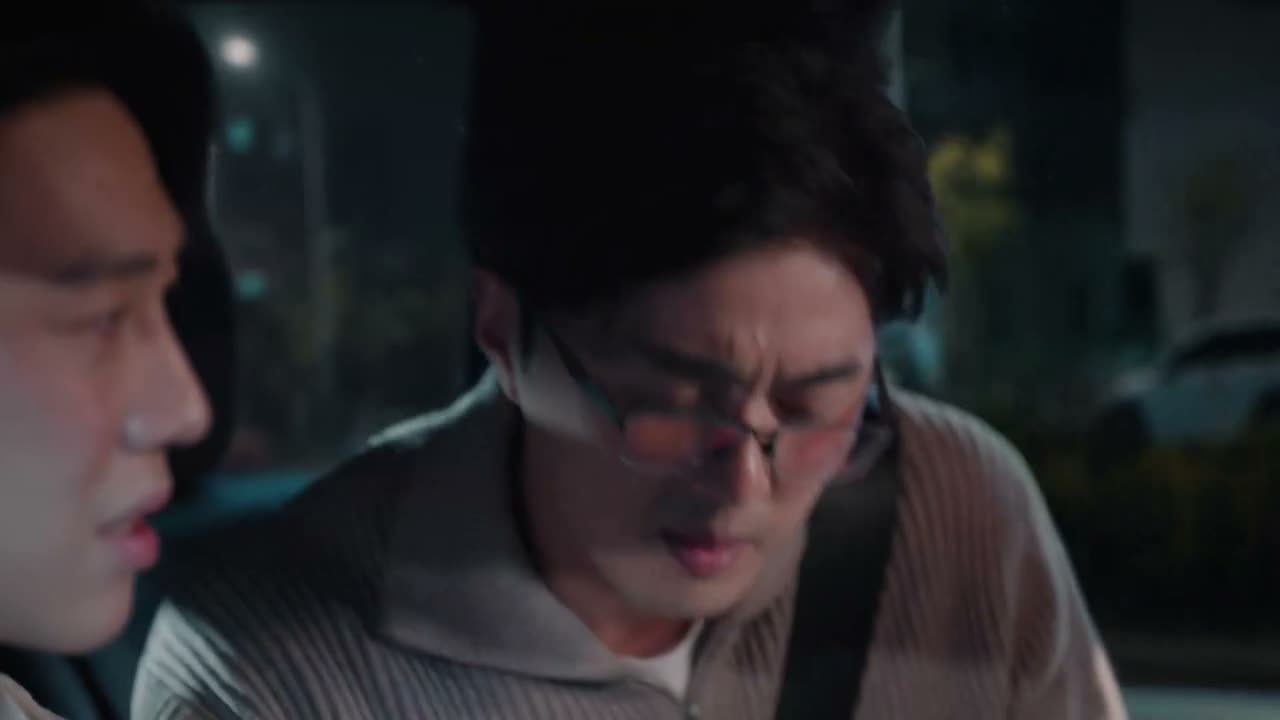
“don't always think of others as bad people.”