之前是华儿不懂事 乱发脾气
“I was ignorant before and lost my temper.”
THE DIALOGUE REEL
娘说得对
“You are right, Mother.”
之前是华儿 不懂事 乱发脾气
“I was ignorant before and lost my temper.”
今天华儿就想跟娘 来好好看看这些嫁妆
“Today, I just want to take a good look at the dowry with you,”
“Forgive me for how I acted before; let's put it behind us and be on good terms now.”
Referring to oneself by one's childhood given name ('华儿') when speaking to elders conveys filial piety, submission, and endearing sweetness, softening apologies.
LEARNING CHUNKS & PARTICLES
immature; insensible; tactless
Widely used within Chinese families by or about youth who fail to show proper decorum or empathy.
to lose one's temper; throw a tantrum
The standard everyday phrase for expressing anger or emotional outbursts.
VOCABULARY & EXPRESSIONS
Parallel Spoken Cinema Scenes (语义近邻切片)
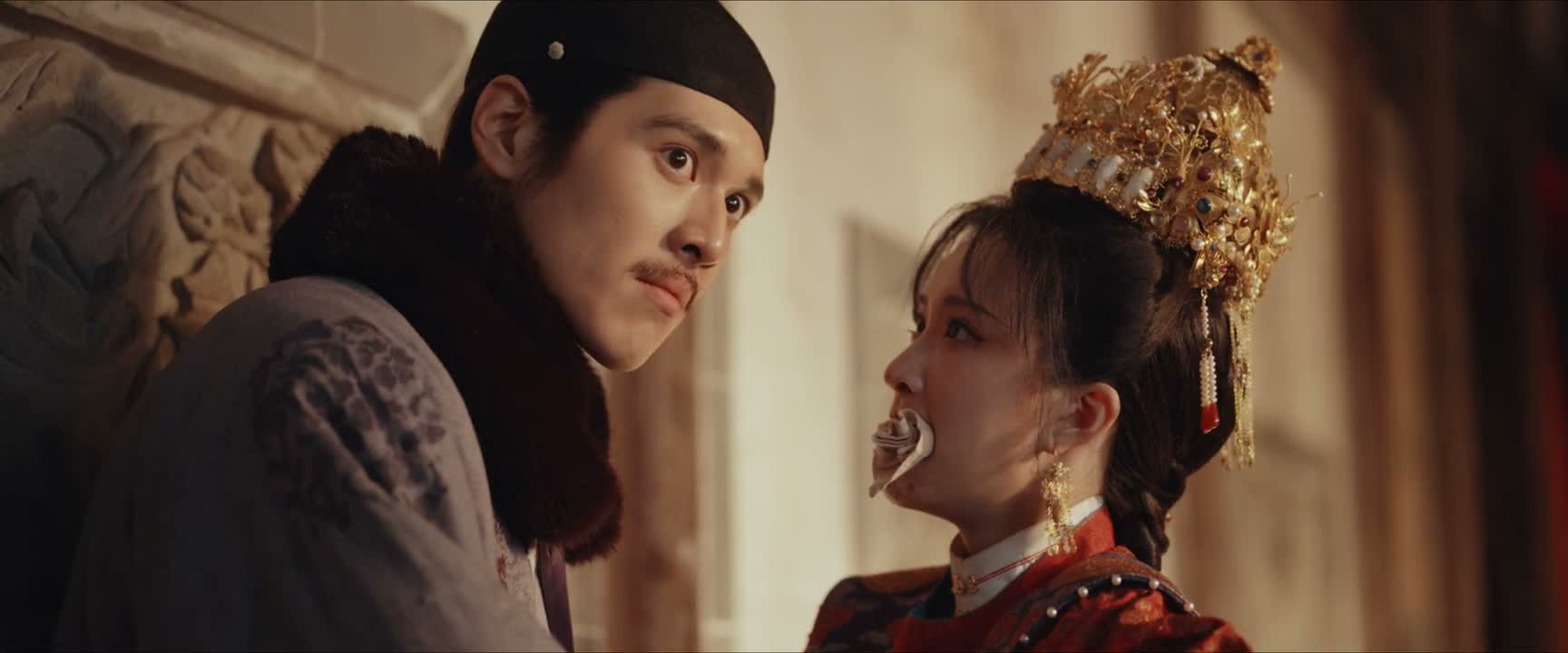
“Keep a close watch on Ronghua. Yes.”

“Ronghua, how do you have time to visit me today?”
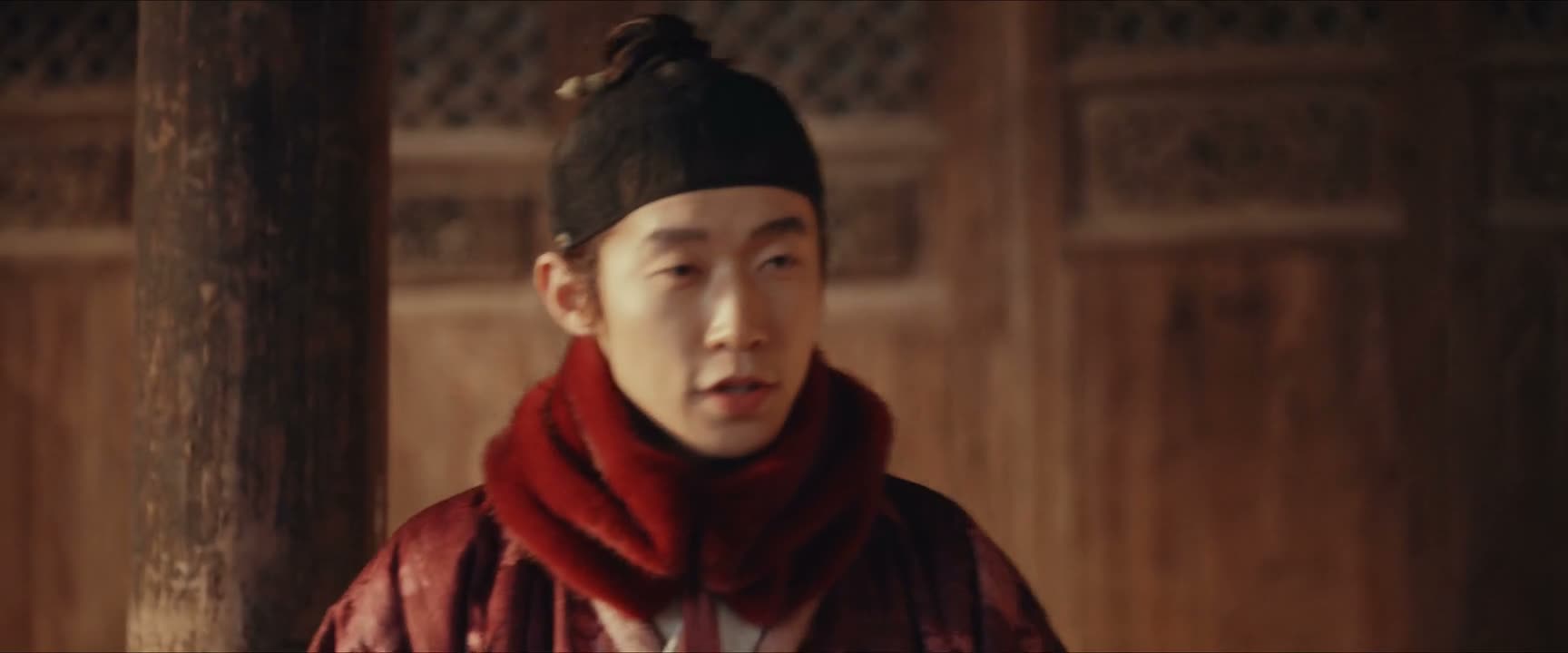
“I will make sure Ronghua leaves the city safely.”

“Ronghua, what should we do? You have to think of a way.”

“Ronghua and I are like sisters. Her business is my business.”

“that Ronghua is not cut from the same cloth as them.”