MC
MandarinClips Cinema Corpus
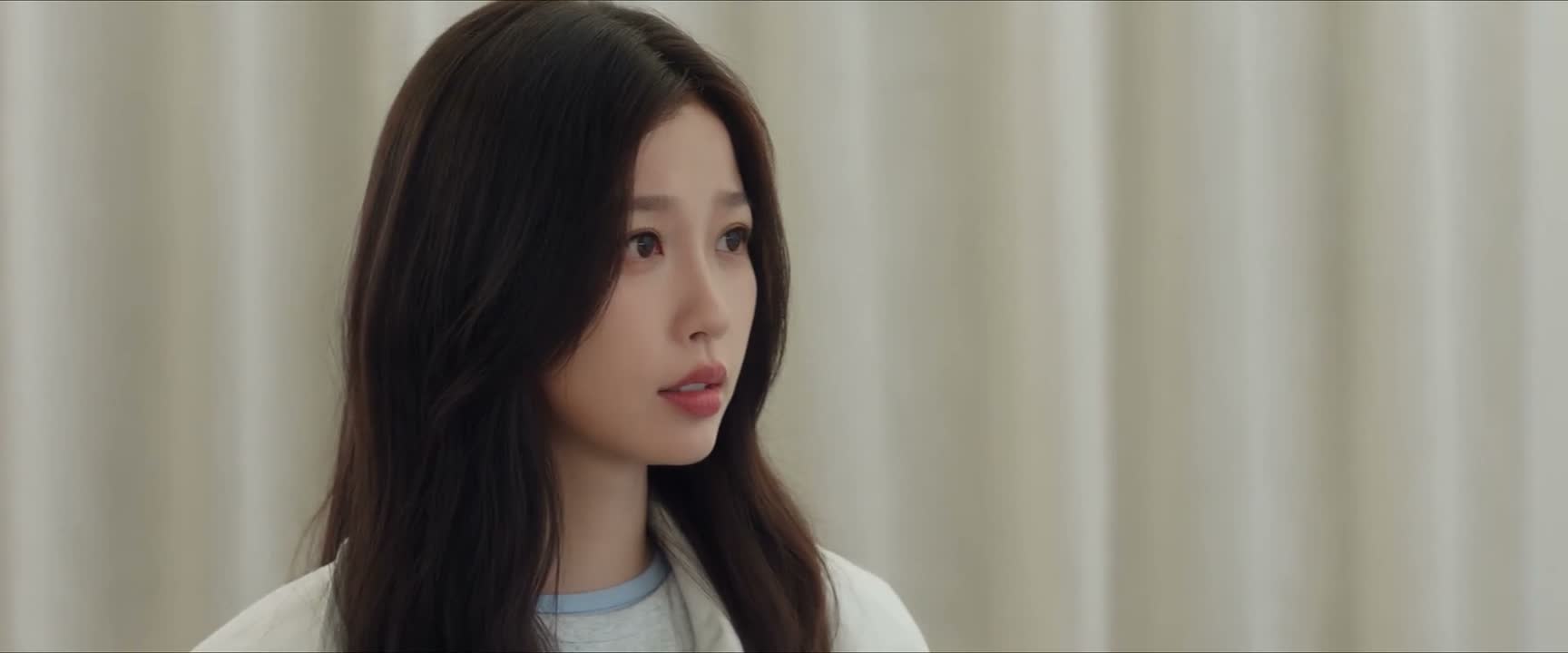
《Vanished Name》 S1·E10 (22:26) HSK 7
nǐ jiào yù nǐ de hái zi wǒ jiào yù wǒ de hái zi nǐ shuō wǒ ér zi bù dǒng shì

你教育你的孩子我教育我的孩子 你说我儿子不懂事

“You teach your child, and I teach mine. You call my son rude. I call your daughter scheming.”

《Vanished Name》 S1·E10
TIMECODE: 22:26 · 1080P MASTER AUDIO

THE DIALOGUE REEL

1+1+1 SPOKEN CONTINUITY
[-1] PREVIOUS TURN dāng zhe hái zi miàn zán bié chǎo hǎo bù hǎo

“Let's not argue in front of children, okay?”

nǐ jiào yù nǐ de hái zi wǒ jiào yù wǒ de hái zi nǐ shuō wǒ ér zi bù dǒng shì CURRENT FOCUS

你 教育你的孩子 我 教育我的孩子 你说 我儿子 不懂事

“You teach your child, and I teach mine. You call my son rude. I call your daughter scheming.”

[+1] FOLLOW-UP TURN wǒ hái shuō nǐ nǚ ér xīn yǎn duō ne

我还说你女儿心眼多呢

“You call my son rude. I call your daughter scheming.”

Subtitles synced to millisecond timecode Browse Show Clips →
Scene: Family & Home
Function: RETALIATING
Tone: CONFRONTATIONAL
Emotion: ANGER
WHAT THEY REALLY MEAN (PRAGMATIC SUBTEXT)
“Mind your own business and stop criticizing my kid if you do not want me attacking yours.”
💡 Cultural Insight: Blended Family Parenting Sensitivities

In Chinese remarriages, disciplining stepchildren is an extremely delicate topic where accusations of bias or overstepping often ignite deep marital conflict.

INTENT TAGS: #boundary_setting #retaliation #confrontation #parenting
🧩

LEARNING CHUNKS & PARTICLES

2 CHUNKS · 0 PARTICLES
教育孩子 SPOKEN CHUNK

to educate or raise a child

A common phrase referring to domestic parenting, disciplining, and instilling manners in children.

不懂事 SPOKEN CHUNK

lacking good sense; ill-behaved; immature

Frequently used by Chinese parents or elders to critique a child's failure to follow adult social expectations.
🏮

VOCABULARY & EXPRESSIONS

5 EXPR · 0 GRAMMAR
CROSS-CINEMA CORPUS BOARD · PARALLEL SCENES

Parallel Spoken Cinema Scenes (语义近邻切片)

EXPLORE BY SEMANTIC SIMILARITY
《Vanished Name》 S1·E10 (22:26) · Authentic Cinema Dialogue Corpus