那你看我懂不懂事儿啊 你高不高兴啊 你一边去
“Then see how sensible I am. Are you happy? Go away.”
THE DIALOGUE REEL
“I'm not sad. I'm happy you're so sensible.”
那 你看我 懂不懂事儿 啊 你高 不高兴 啊 你一边去
“Then see how sensible I am. Are you happy? Go away.”
老花猫喵喵叫 一会儿哭 一会儿笑 喵 喵 喵
“Old tabby cat meowing away. Now crying, then laughing. Meow, meow, meow.”
“Look at me, Mom, praise me too! Stop stealing my spotlight.”
In Chinese culture, being praised as 'dongshi' is the highest moral compliment for a child, signaling emotional maturity and consideration for parents.
LEARNING CHUNKS & PARTICLES
sensible / well-behaved / thoughtful
A very common praise for children or young people who understand adult hardships and behave considerately.
step aside / buzz off
A blunt colloquial command to move away, often used teasingly among close peers or family without real anger.
Softens the rhetorical questions and adds an affectionate, teasing, conversational lilt.
VOCABULARY & EXPRESSIONS
Parallel Spoken Cinema Scenes (语义近邻切片)

“Yeah, aren't you sensible? She's more sensible.”

“Do you think I can't tell if you're happy or not?”

“- Do you even understand it? - That's why I have to study.”
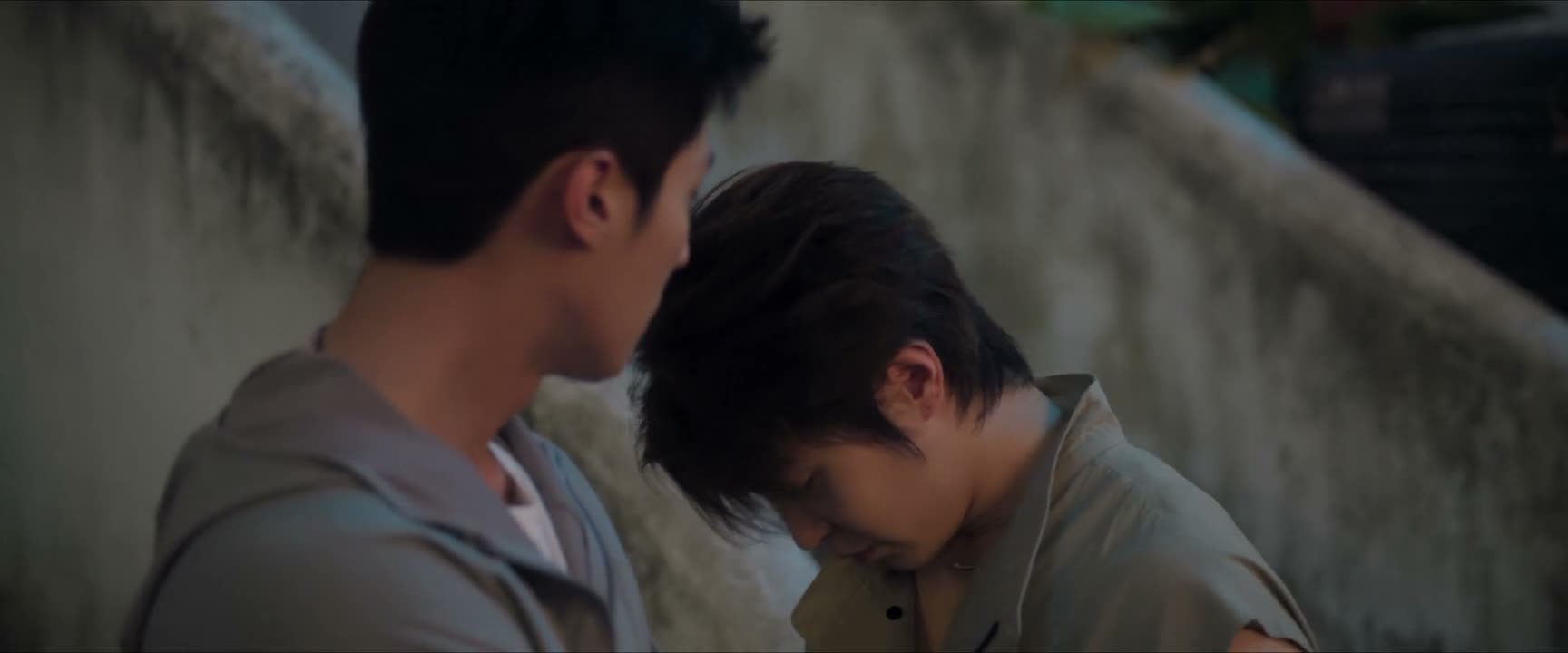
“You know nothing about fashion. See this?”

“If you don't get to know the whole story, could you please stop judging it? I can stop,”

“That's just being naïve.”