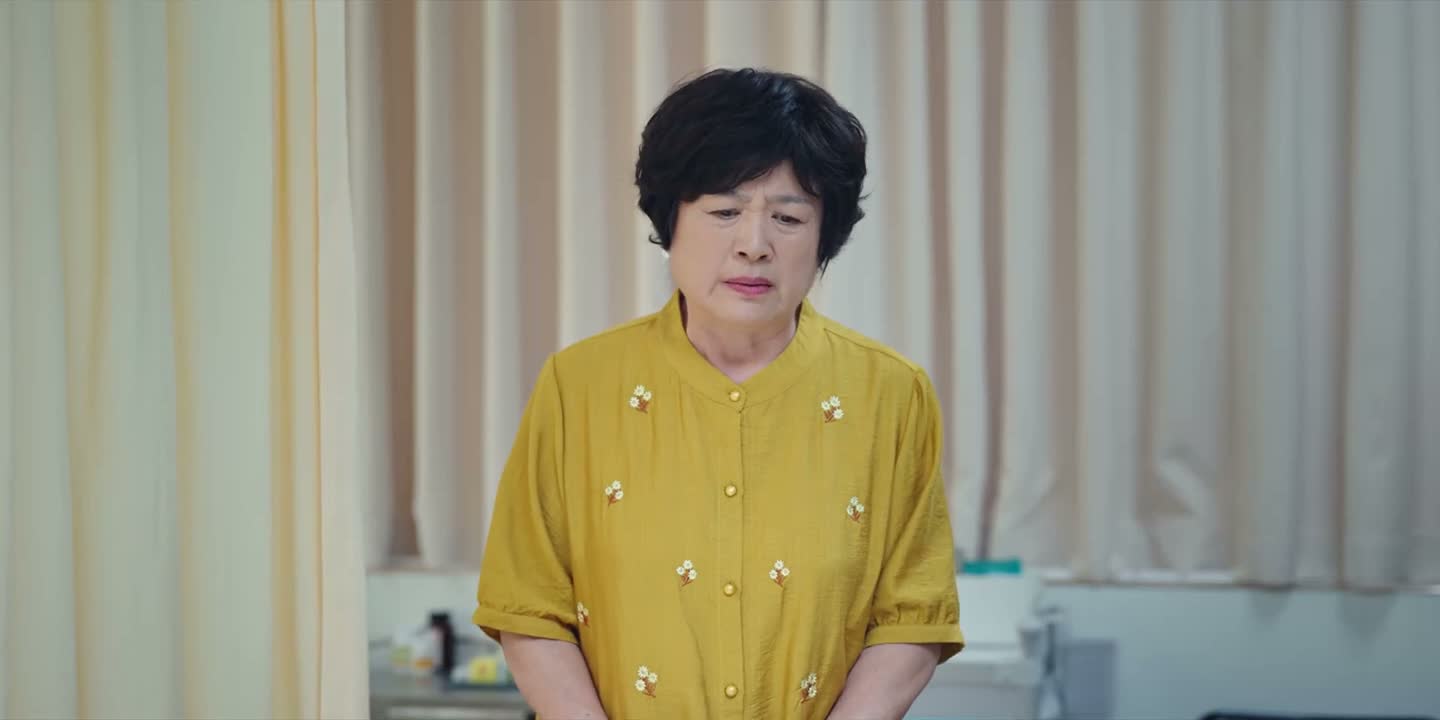
你这孩子怎么那么不懂事儿呢你
“Stop being so childish.”
THE DIALOGUE REEL
你这孩子 怎么那么 不懂事儿 呢 你
“Stop being so childish.”
他先开始的
“He started it.”
“You should know better than to provoke an argument; just yield to keep the peace!”
In Chinese culture, being 'dongshi' (sensible/mature) entails swallowing minor grievances to preserve interpersonal harmony and family peace; failing to do so invites parental reproach.
LEARNING CHUNKS & PARTICLES
you child / you kid (colloquial affectionate or exasperated scolding)
Used by elders or parents when mildly to moderately annoyed by a younger person's immature behavior.
inconsiderate / tactless / lacking common sense
Essential cultural term criticizing someone for failing to understand social propriety, respect elders, or act maturely.
Reinforces the rhetorical question, emphasizing exasperation and disbelief at the other person's behavior.
VOCABULARY & EXPRESSIONS
Parallel Spoken Cinema Scenes (语义近邻切片)

“Why can't you understand them?”
“You are too insensible”

“What's wrong with you? Who do you think you are?”