MC
MandarinClips Cinema Corpus
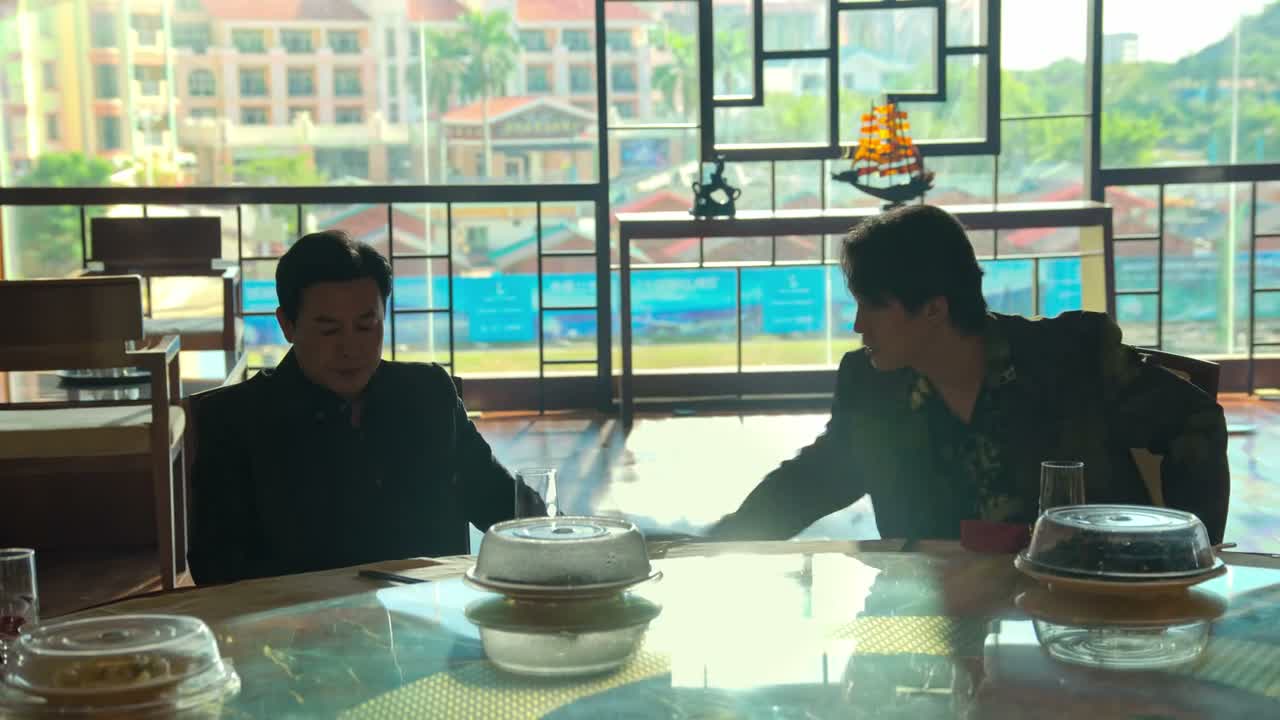
《Love Story in the 1970s》 S1·E14 (32:32) HSK 3
duì bù qǐ a líng yī nǐ bié shēng qì

对不起啊凌漪 你别生气

“I'm sorry, Ling Yi. Don't be angry.”

《Love Story in the 1970s》 S1·E14
TIMECODE: 32:32 · 1080P MASTER AUDIO

THE DIALOGUE REEL

1+1+1 SPOKEN CONTINUITY
[-1] PREVIOUS TURN wǒ bú shì zhè ge yì si

我不是这个意思

“That's not what I meant.”

duì bù qǐ a líng yī nǐ bié shēng qì CURRENT FOCUS

对不起啊 凌漪 你别生气

“I'm sorry, Ling Yi. Don't be angry.”

[+1] FOLLOW-UP TURN wǒ zhè rén jiù

我这人就

“Well,”

Subtitles synced to millisecond timecode Browse Show Clips →
Scene: Social & Dating
Function: APOLOGIZING
Tone: APOLOGETIC
Emotion: REMORSE
WHAT THEY REALLY MEAN (PRAGMATIC SUBTEXT)

Direct spoken expression in this communicative setting.

💡 Cultural Insight: Relational Smoothing

Apologizing promptly with affectionate softening particles is crucial in interpersonal relations to prevent lingering negative sentiment and preserve face.

INTENT TAGS: #apology #appeasement #de_escalation #reconciliation
🧩

LEARNING CHUNKS & PARTICLES

2 CHUNKS · 1 PARTICLES
对不起 SPOKEN CHUNK

sorry / I apologize

The standard, sincere phrase for apologizing when recognizing an error or hurting someone's feelings.

别生气 SPOKEN CHUNK

don't be mad / please don't be angry

Frequently used immediately following an apology to appease the other party and restore harmony.

Modal Particle「啊」 (a) CHANGE OF STATE

Softens the directness of the apology and conveys warmth and conciliation.

🏮

VOCABULARY & EXPRESSIONS

2 EXPR · 0 GRAMMAR
CROSS-CINEMA CORPUS BOARD · PARALLEL SCENES

Parallel Spoken Cinema Scenes (语义近邻切片)

EXPLORE BY SEMANTIC SIMILARITY
《Love Story in the 1970s》 S1·E14 (32:32) · Authentic Cinema Dialogue Corpus