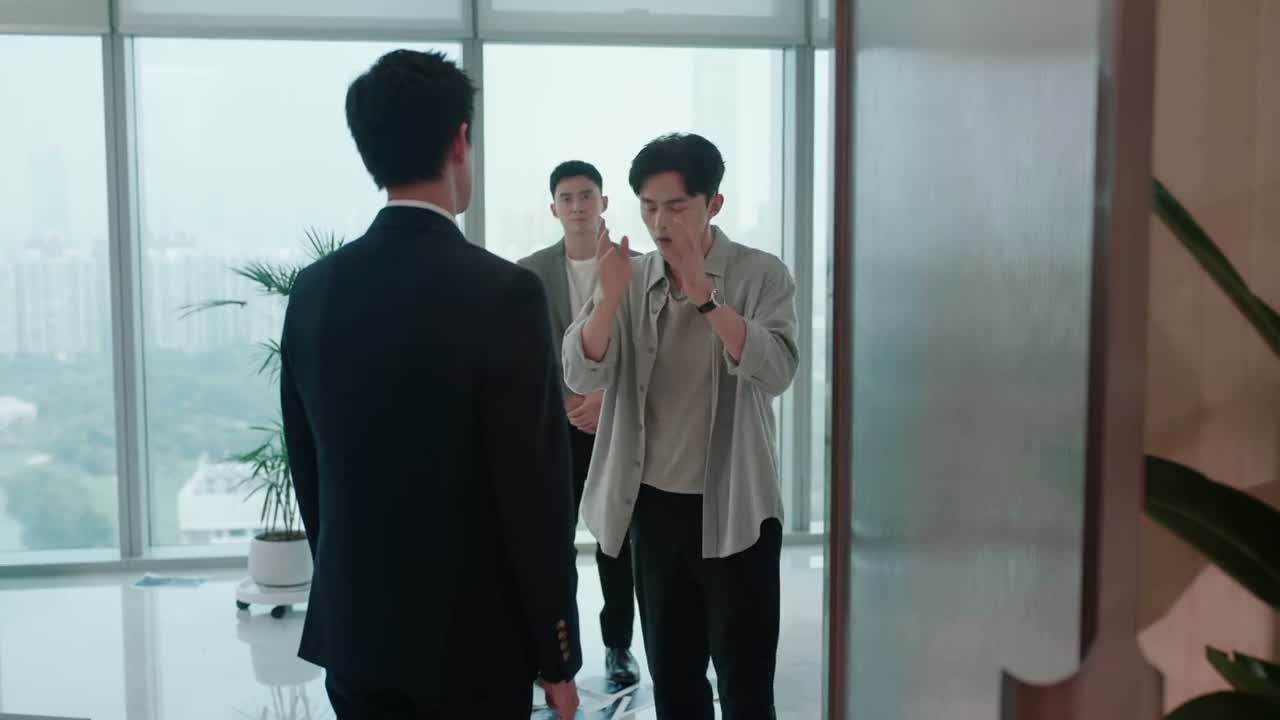
对不起 对不起 我 我这边临时出了点意外
“I'm sorry. I'm sorry. S-Something suddenly cropped up.”
THE DIALOGUE REEL
这是完全置你的战友们而不顾啊
“You completely abandoned your comrades!”
对不起 对不起 我 我 这边 临时 出了点意外
“I'm sorry. I'm sorry. S-Something suddenly cropped up.”
就是我们单位领导
“The head of my department...”
“Please don't be mad at me; an uncontrollable emergency came up at work.”
In Chinese culture, blaming an unexpected situational obstacle ('出了点意外') helps preserve harmony and reduces personal fault during an awkward failure.
LEARNING CHUNKS & PARTICLES
something unexpected suddenly came up
An essential idiomatic polite excuse in Chinese when you must explain a sudden absence, cancellation, or delay.
on my side; on my end
Commonly used in spoken Chinese to define the location or circumstances concerning oneself in contrast to the listener.
VOCABULARY & EXPRESSIONS
Parallel Spoken Cinema Scenes (语义近邻切片)

“Okay, I'm sorry. I admit I was asking something I already knew just now.”

“(I'm sorry.) (I can't take you with me right now.)”

“Sorry, sorry. A grown man though he is, he surely acts like a child.”
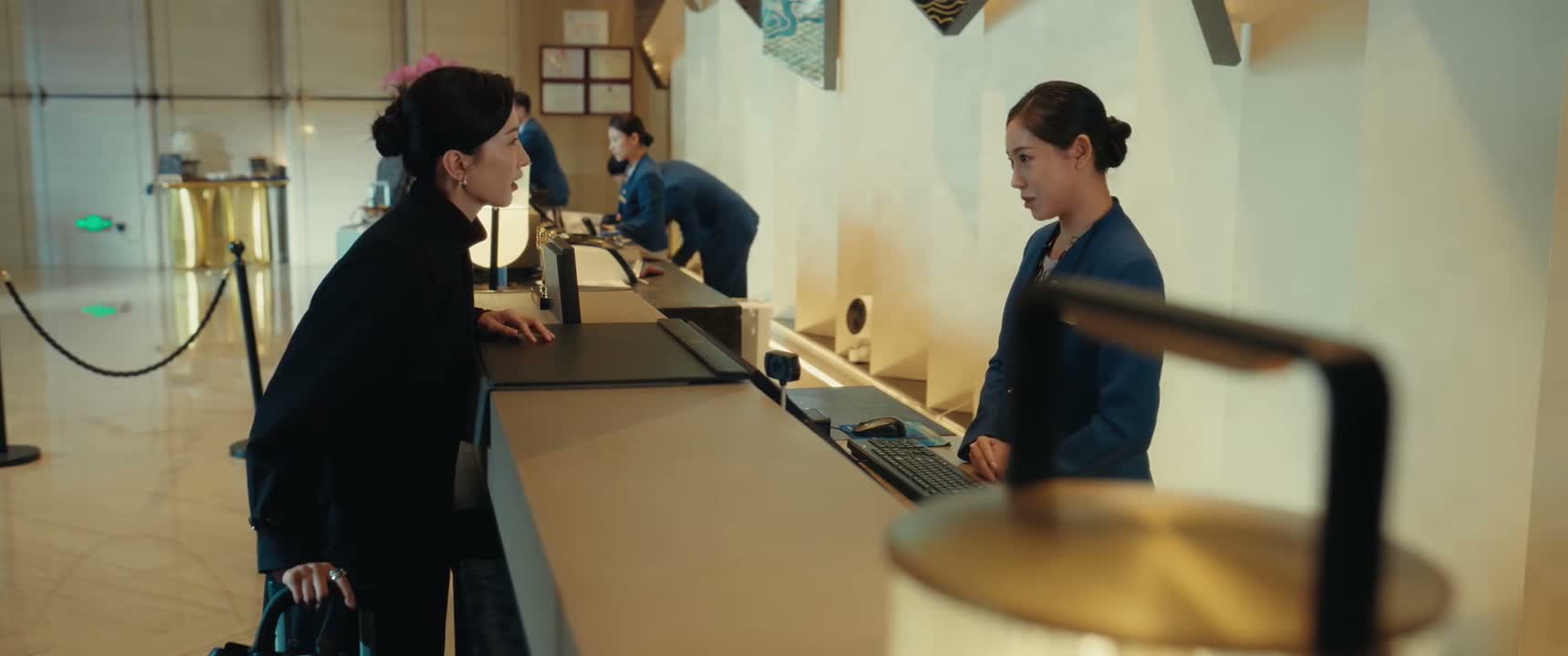
“I'm sorry. I'm on a business trip.”

“Sorry! So sorry, Ms. Yan. My mistake.”

“I'm sorry. To whom?”
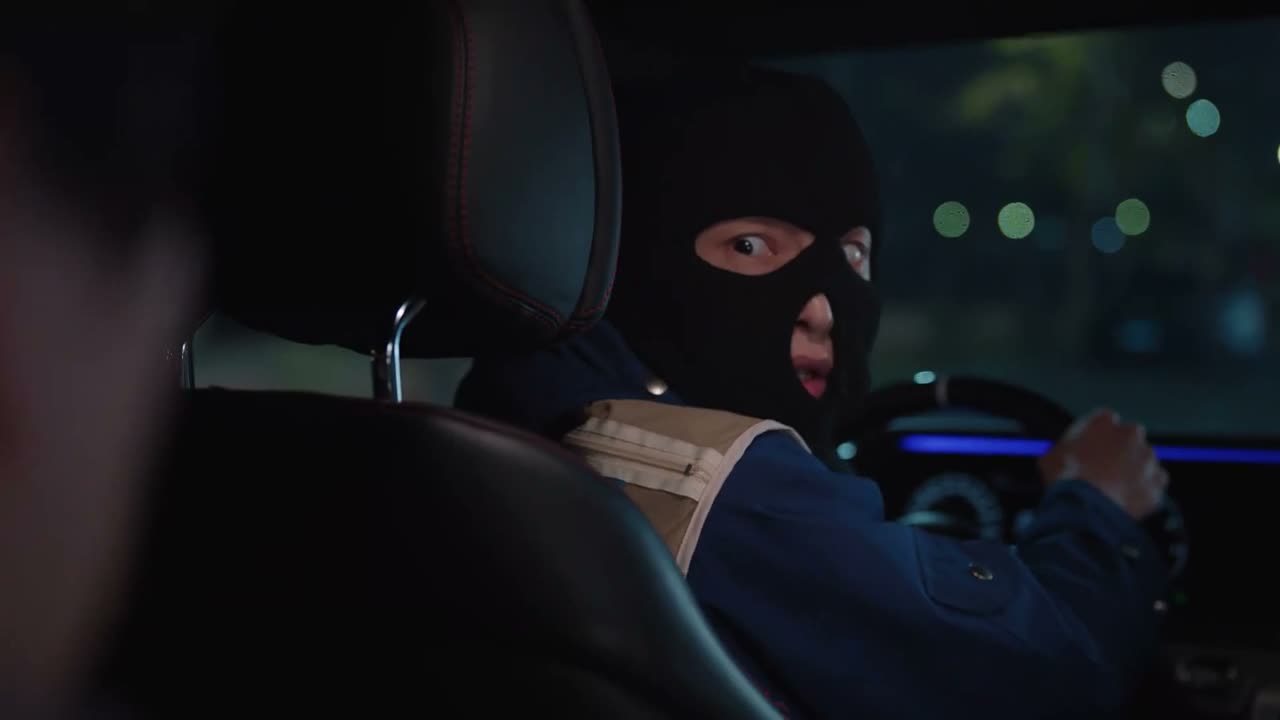
“Sorry. - Do you think apologizing helps? - Do you think apologizing helps?”

“I'm sorry. I'm sorry.”
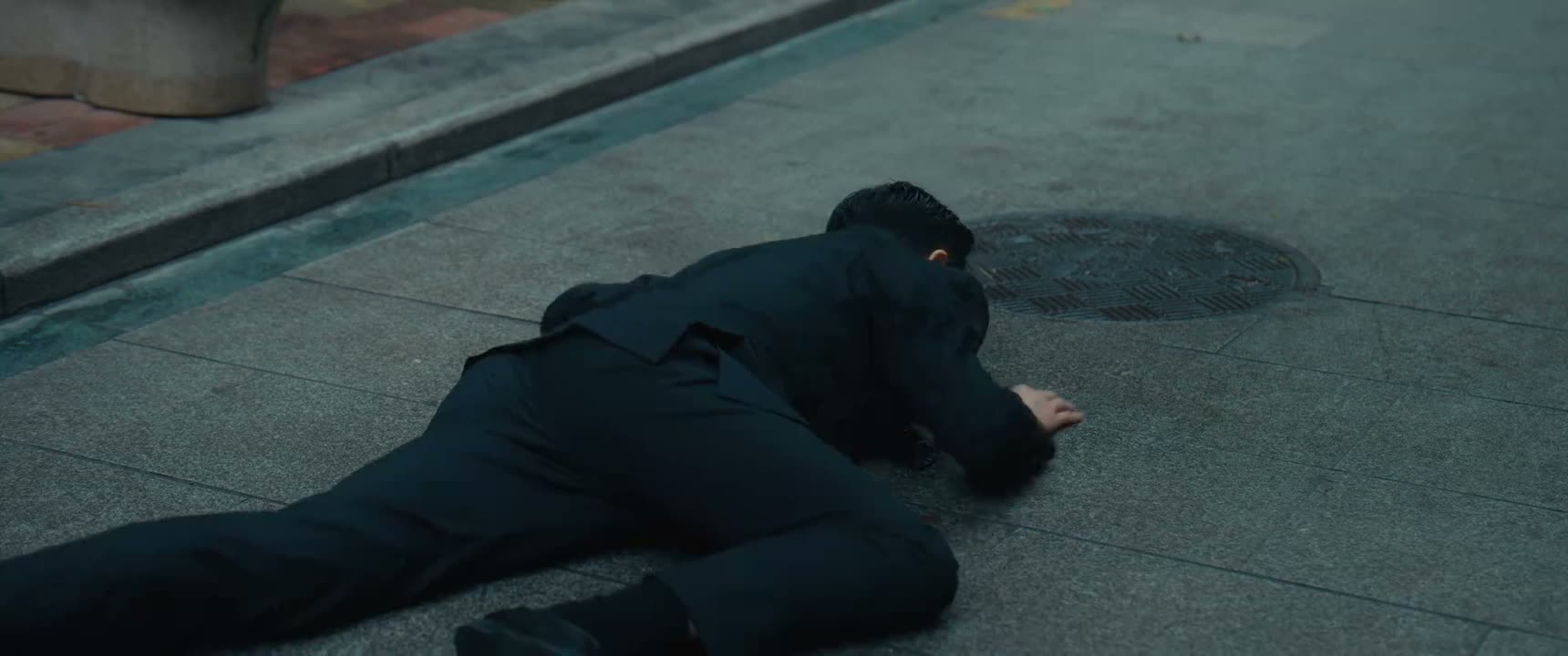
“Sorry! Are you okay?”

“I'm sorry. I'm sorry.”

“I'm sorry. I'm sorry.”

“Sorry. I'm really sorry.”
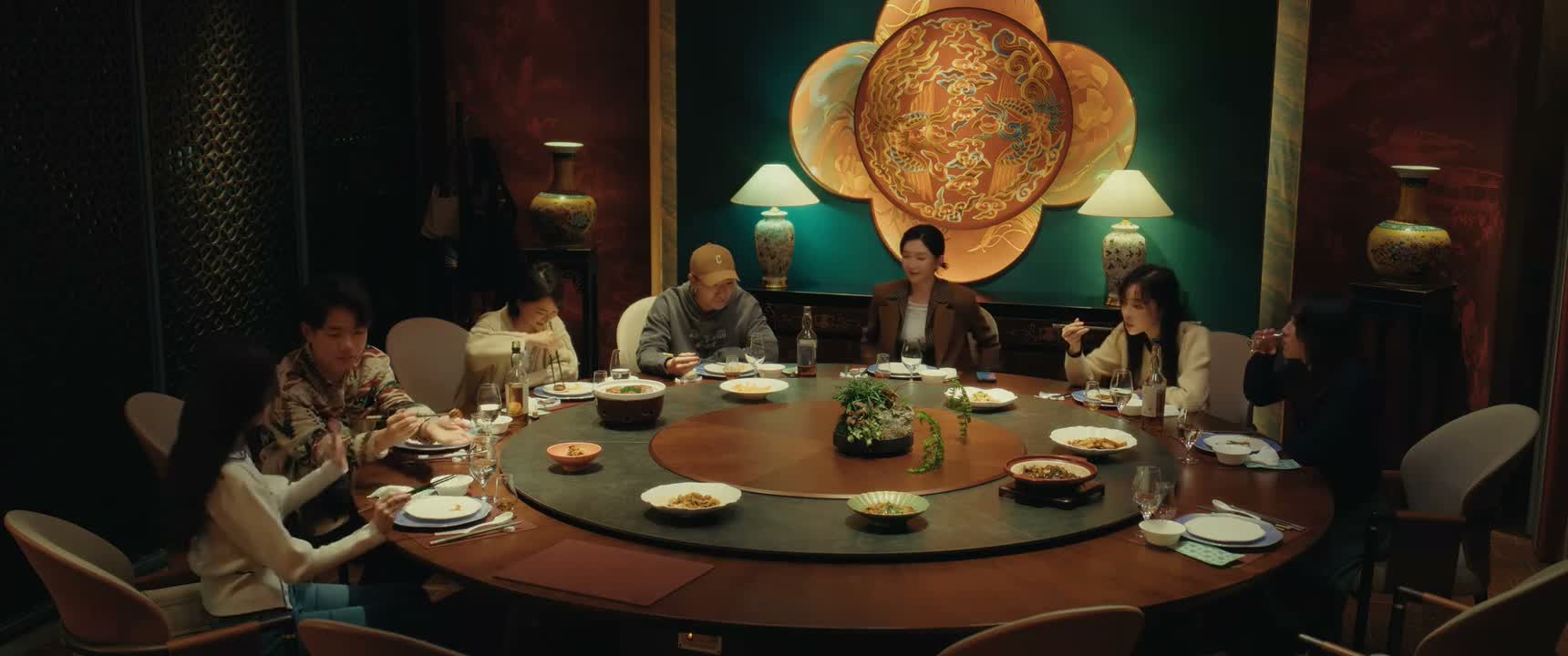
“I'm sorry. Hao, I'm late.”
“Sorry. I'm sorry.”

“I'm so sorry. Um, are you OK? I'm fine.”

“I'm sorry. I'm sorry. I'm really sorry.”

“Sorry, I shouldn't have joked. Then tell me,”

“I'm sorry. I'm sorry. It was really our oversight.”

“I'm sorry for that. Just keep quiet.”