这有什么对不起的
“You don't need to feel sorry.”
THE DIALOGUE REEL
我对不起她
“sorry to her.”
这有什么 对不起 的
“You don't need to feel sorry.”
这你们就是 从小到大
“Because you have been together”
“Stop beating yourself up; you did nothing wrong and owe no apologies.”
In Chinese culture, excessively apologizing to close family members can feel overly distant, so loved ones frequently reject apologies to affirm deep kinship.
LEARNING CHUNKS & PARTICLES
what is there to be... about?
A rhetorical structure used to downplay a problem or reassure someone that an issue is not worth worrying about.
to let someone down / to feel sorry towards
Commonly functions as an apology, but grammatically here as an adjective or transitive verb meaning 'to wrong someone'.
Functions at the end of the rhetorical pattern to complete nominalization and soften the statement.
VOCABULARY & EXPRESSIONS
Parallel Spoken Cinema Scenes (语义近邻切片)

“Always "I'm sorry." Is saying sorry useful?”
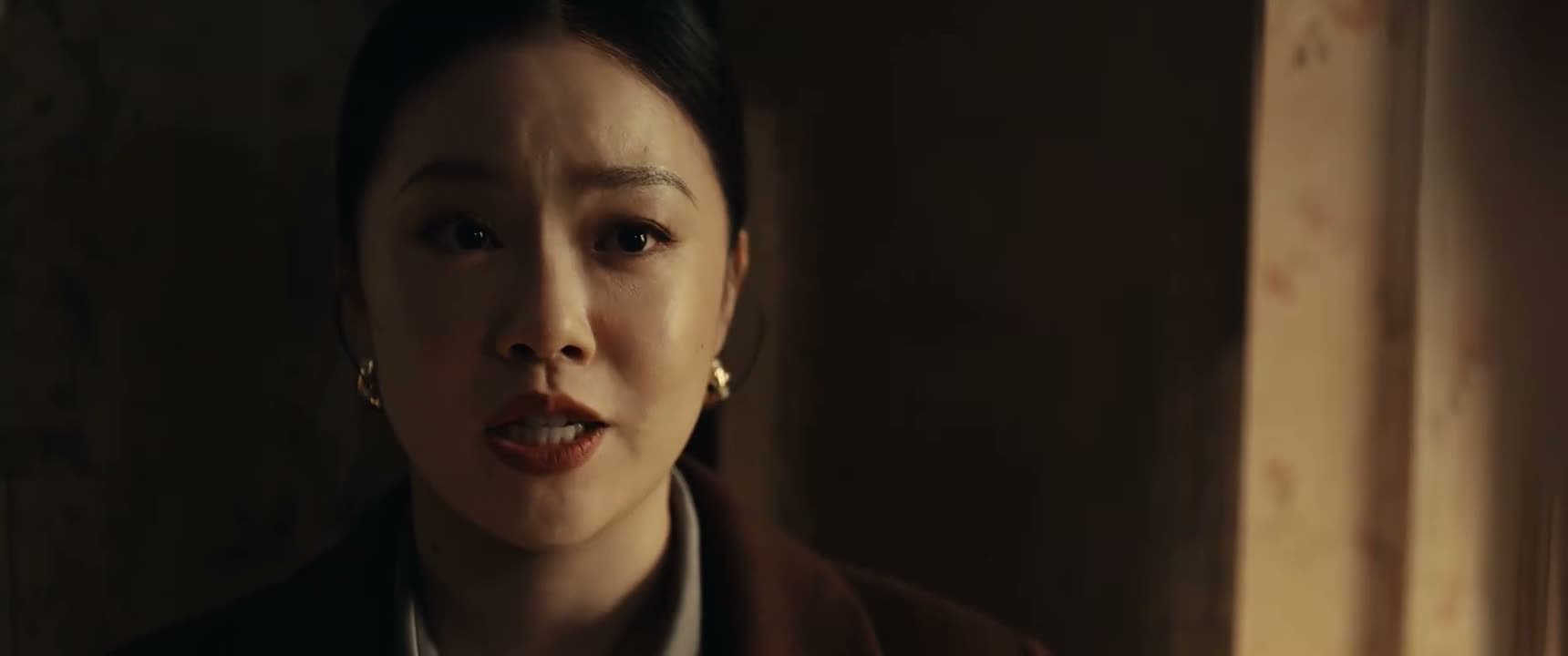
“and also the two people you believe you've hurt the most.”

“How did he let Mr. Rong down?”

“I feel I really sorry about all this.”

“What for? You didn't take the photo.”

“Have I ever done you wrong?”

“What are you sorry for?”

“I always feel sorry for you.”

“I'm sorry. I'm so sorry.”

“will now... Sorry.”

“Why are you saying sorry? This is what I wanted to do.”

“I feel like I've let you down.”

“I failed my parents too.”

“it would be unfair to what he suffered.”

“How can it get to the point of saying sorry?”

“I'm the one who should say sorry.”

“I'm truly sorry.”

“I'm really sorry.”

“You've let yourself down!”