也是你自认为最对不起的两个人
“and also the two people you believe you've hurt the most.”
THE DIALOGUE REEL
“They're the people you care about most,”
也是 你自认为 最对不起 的 两个人
“and also the two people you believe you've hurt the most.”
还没吃饭吧
“You haven't eaten yet, right?”
Direct spoken expression in this communicative setting.
Feeling '对不起' in deep interpersonal contexts relates to emotional indebtedness (亏欠), where falling short of duty toward significant others creates persistent psychological guilt.
LEARNING CHUNKS & PARTICLES
to believe oneself to be; self-perceived
Used to denote subjective self-perception, often contrasting how one sees oneself with objective reality.
to let someone down; to owe someone an apology
Beyond a simple 'sorry', this functions as a transitive verb indicating deep moral debt or guilt toward someone.
VOCABULARY & EXPRESSIONS
Parallel Spoken Cinema Scenes (语义近邻切片)

“I feel I really sorry about all this.”

“I always feel sorry for you.”

“I feel like I've let you down.”

“And to your friend. Satisfied now? Not yet.”
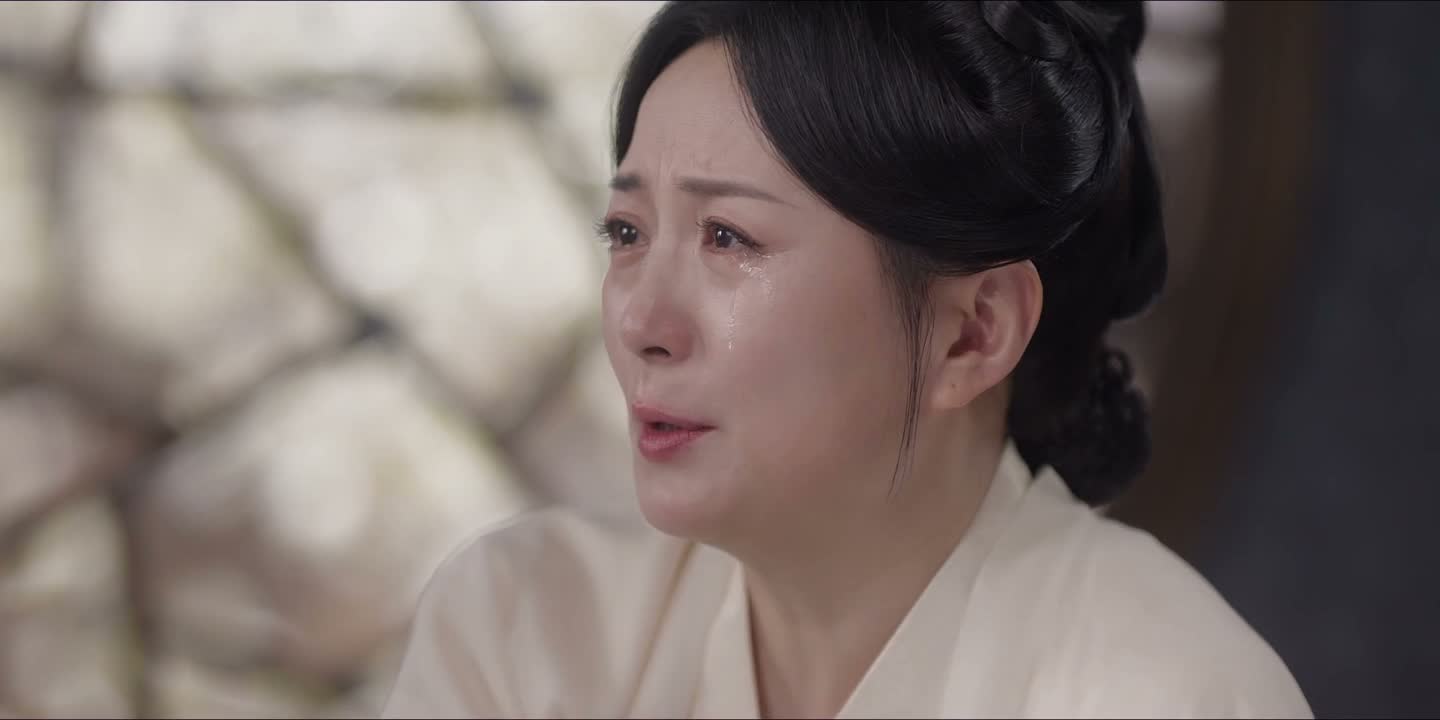
“anyone in this life... it's you...”

“Have I ever done you wrong?”

“You don't need to feel sorry.”

“The one who should be apologizing is me.”

“the two people I owe the most”

“I'm truly sorry.”

“I also know, all these years, the person I've wronged the most is you.”

“You've let yourself down!”