我有啥对不起你的地方吗
“Have I ever done you wrong?”
THE DIALOGUE REEL
好啊
“You have.”
我有啥 对不起你的地方 吗
“Have I ever done you wrong?”
没有
“No.”
“Why are you acting this way toward me? Tell me if you have a problem with me.”
In close Chinese social circles, asking if one has 'wronged' someone directly is a way to push past passive-aggressive behavior and restore harmonious balance.
LEARNING CHUNKS & PARTICLES
ways or matters in which I have wronged or let you down
A common colloquial phrase used when checking if you have offended or inconvenienced someone in interpersonal relationships.
Forms a standard polar question, soliciting confirmation or denial from the listener.
VOCABULARY & EXPRESSIONS
Parallel Spoken Cinema Scenes (语义近邻切片)

“Do you think the whole world owes you?”
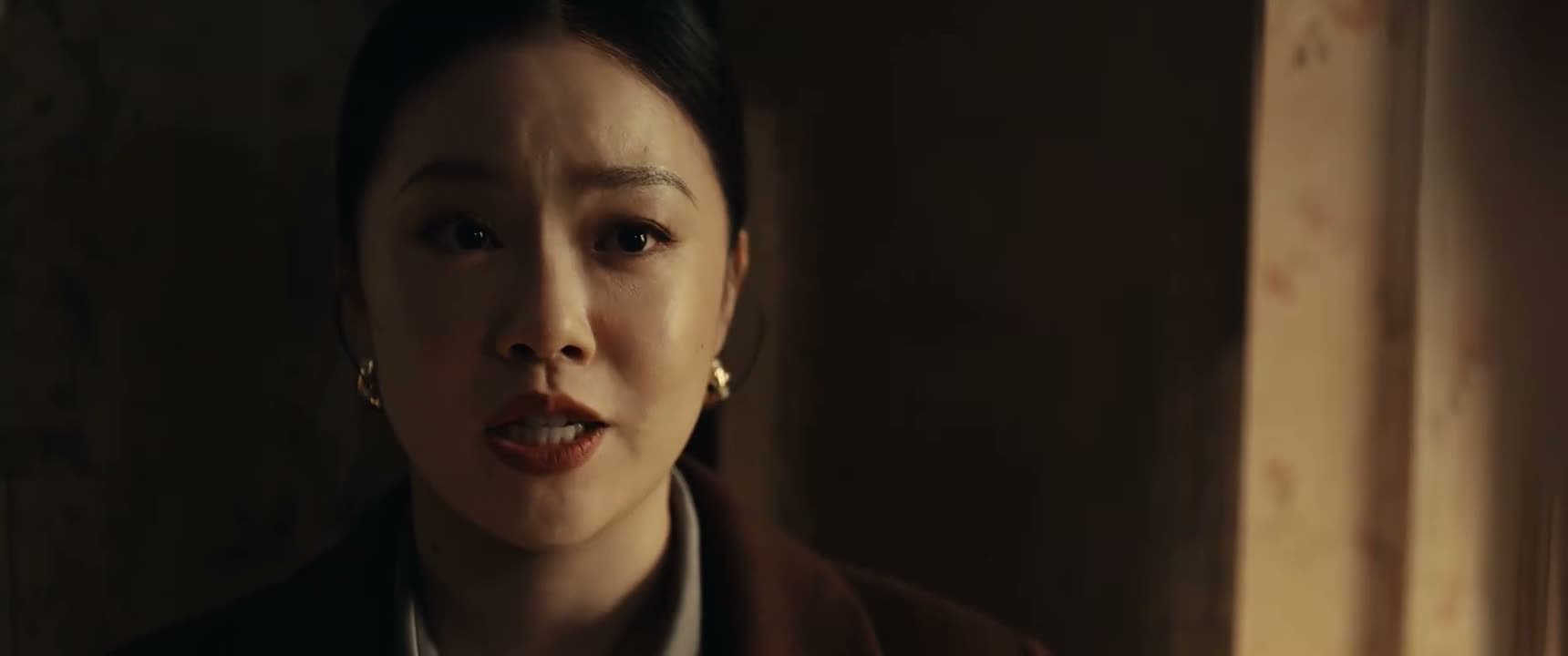
“and also the two people you believe you've hurt the most.”

“I have wronged you.”

“I feel I really sorry about all this.”

“What for? You didn't take the photo.”

“And to your friend. Satisfied now? Not yet.”

“What are you sorry for?”

“I always feel sorry for you.”

“I did you wrong. I understand your anger.”

“will now... Sorry.”

“You don't need to feel sorry.”

“Why are you saying sorry? This is what I wanted to do.”

“I feel like I've let you down.”

“I'm the one who should say sorry.”

“I'm truly sorry.”

“Apologizing to me is useless.”
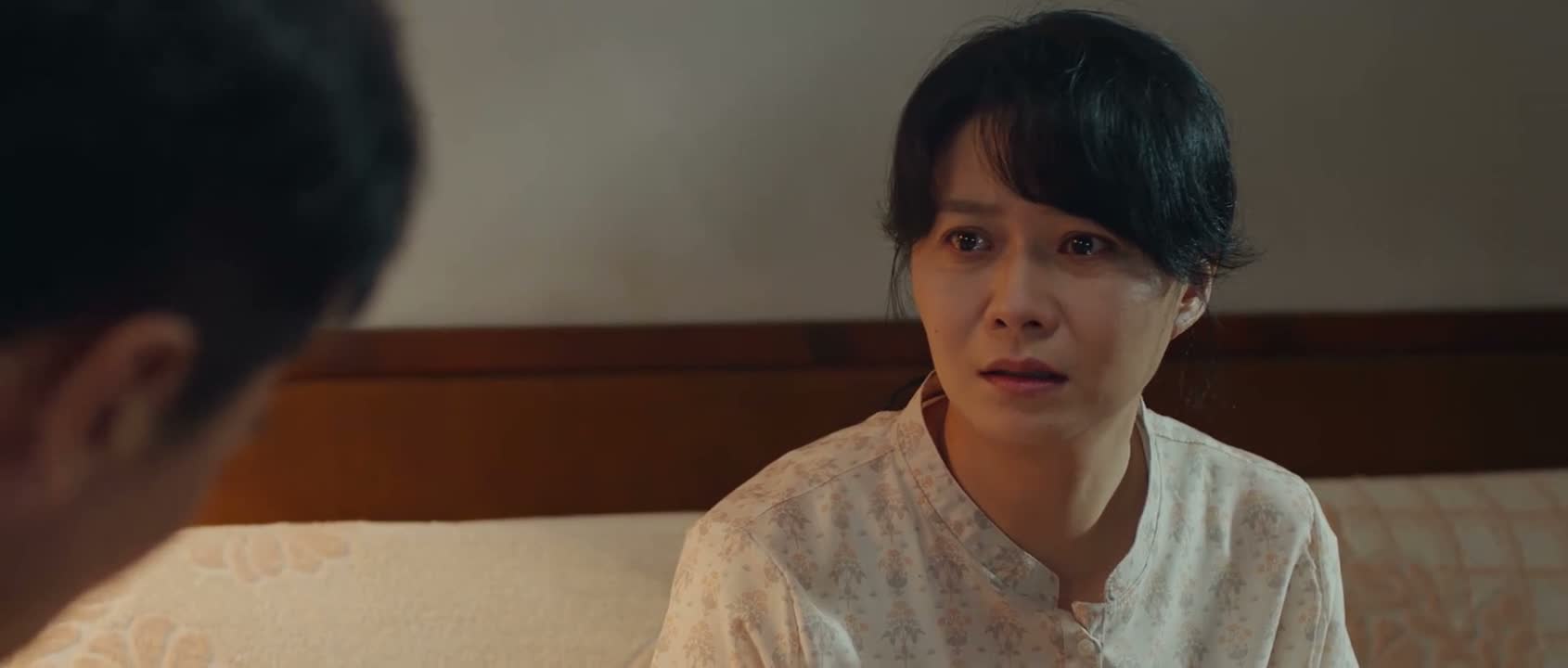
“I also know, all these years, the person I've wronged the most is you.”

“You've let yourself down!”

“How did she ever wrong you?”