臣妾对不起你啊
“I have wronged you.”
THE DIALOGUE REEL
老爷
“Master,”
臣妾对不起你啊
“I have wronged you.”
都怪我
“It is all my fault.”
Direct spoken expression in this communicative setting.
In traditional patriarchal Chinese society, female family members used deeply deferential pronouns and accepted blame to mitigate their husband's displeasure.
LEARNING CHUNKS & PARTICLES
to let someone down; to apologize to
When followed by an object pronoun like '你', it emphasizes letting someone down rather than just a casual pardon.
your humble servant/wife
Historical first-person self-deprecating pronoun used by wives or concubines to their husbands, or consorts to the emperor.
Intensifies emotional distress and earnestness in a mournful exclamation.
VOCABULARY & EXPRESSIONS
Parallel Spoken Cinema Scenes (语义近邻切片)

“I'm sorry! I didn't mean to! Please forgive me, My Lady.”
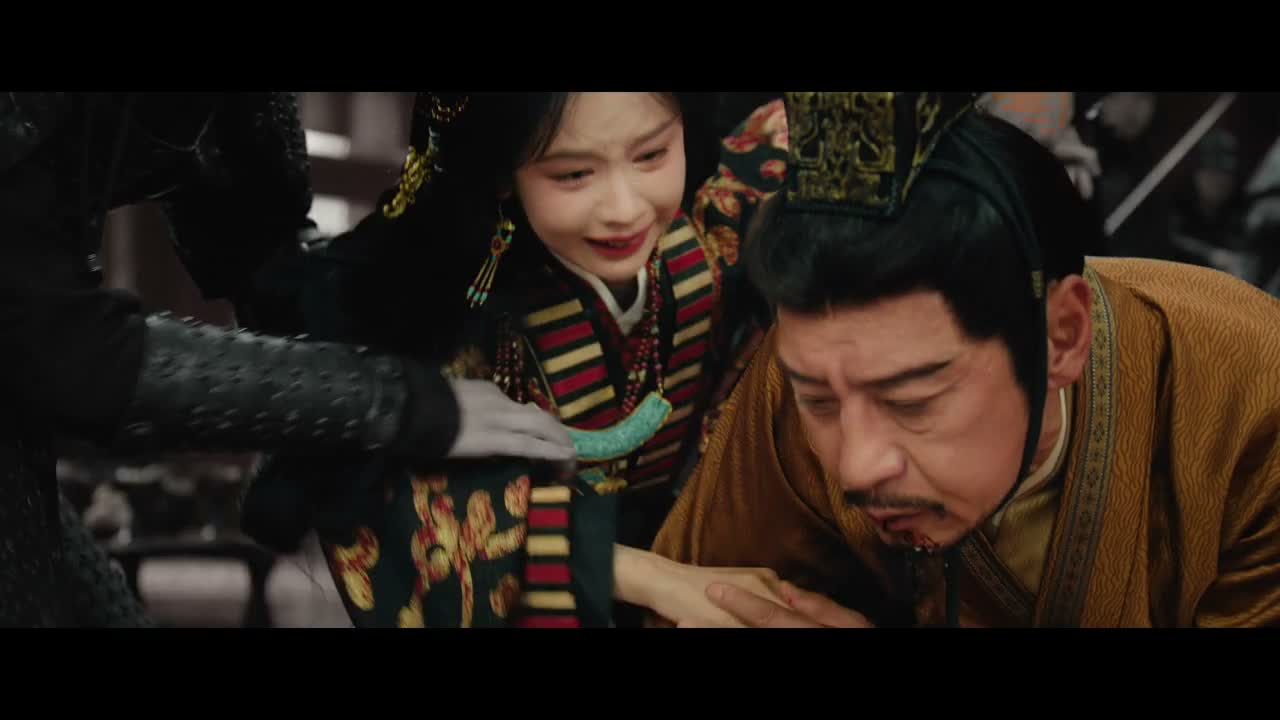
“I'm sorry, Father.”

“I feel I really sorry about all this.”

“I'm sorry. Oh, so now you know?”

“Have I ever done you wrong?”
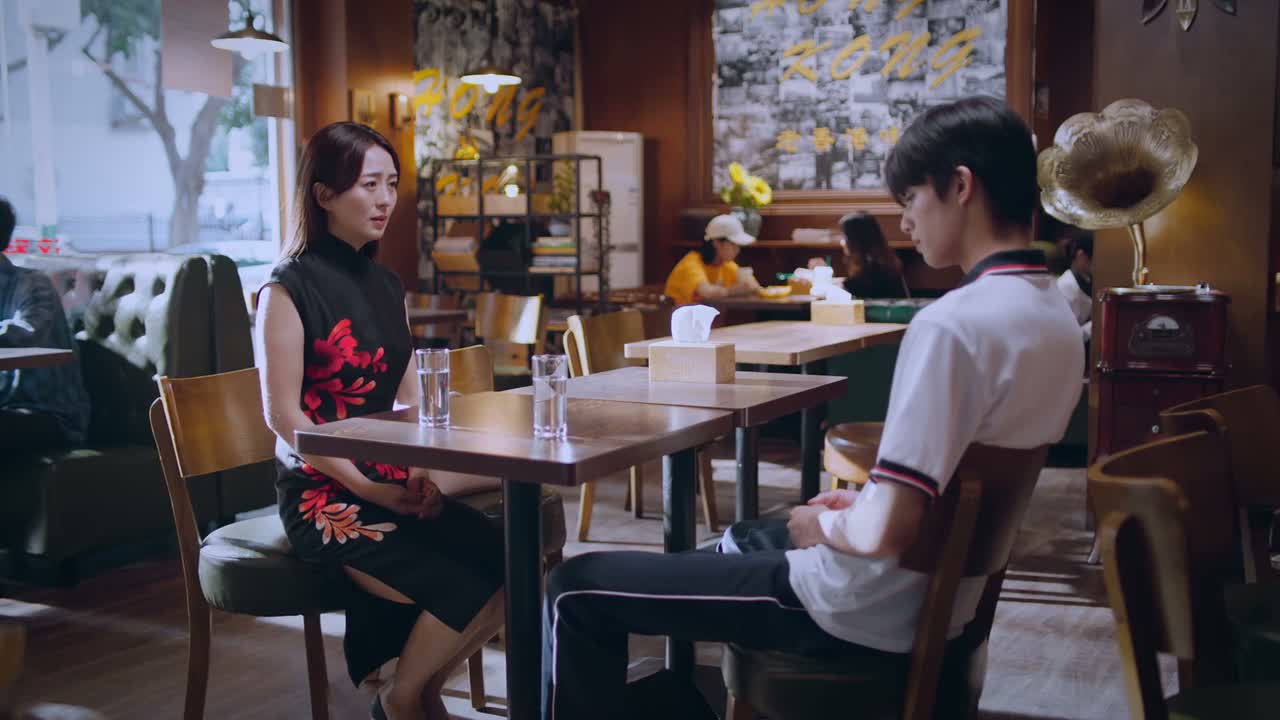
“I'm really sorry.”
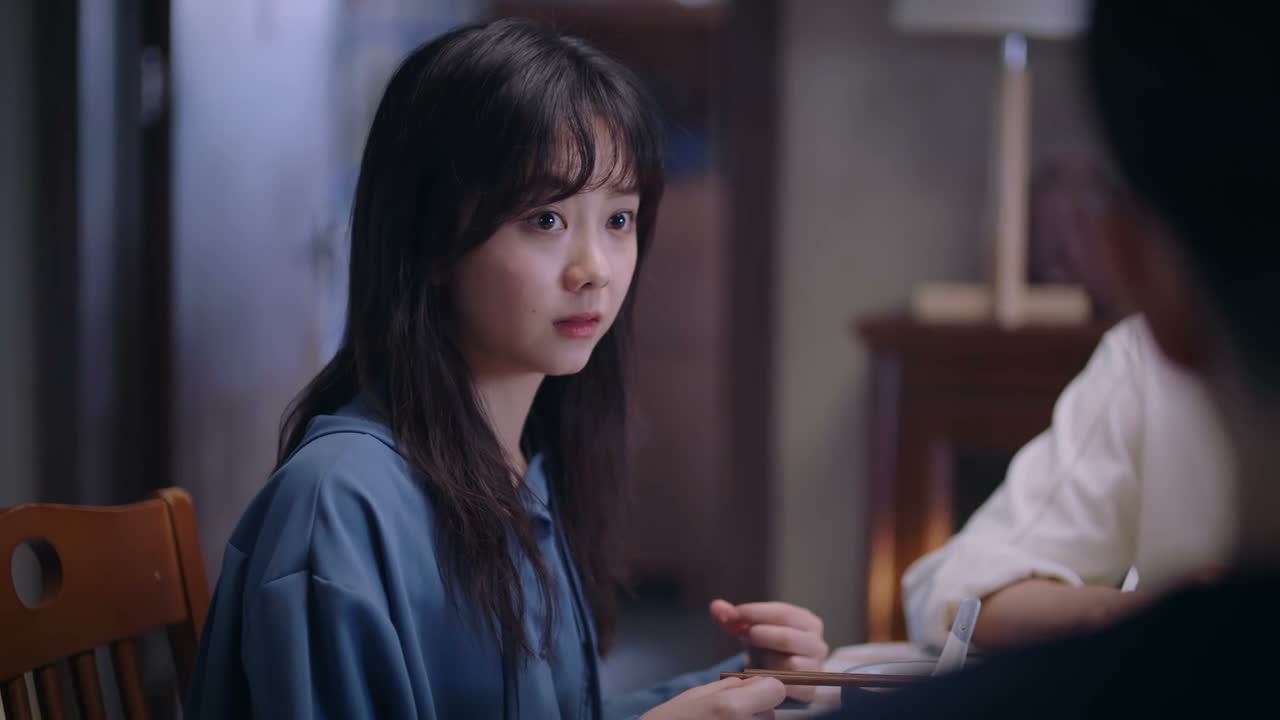
“I always feel sorry for you.”

“I'm sorry. I'm so sorry.”

“I did you wrong. I understand your anger.”
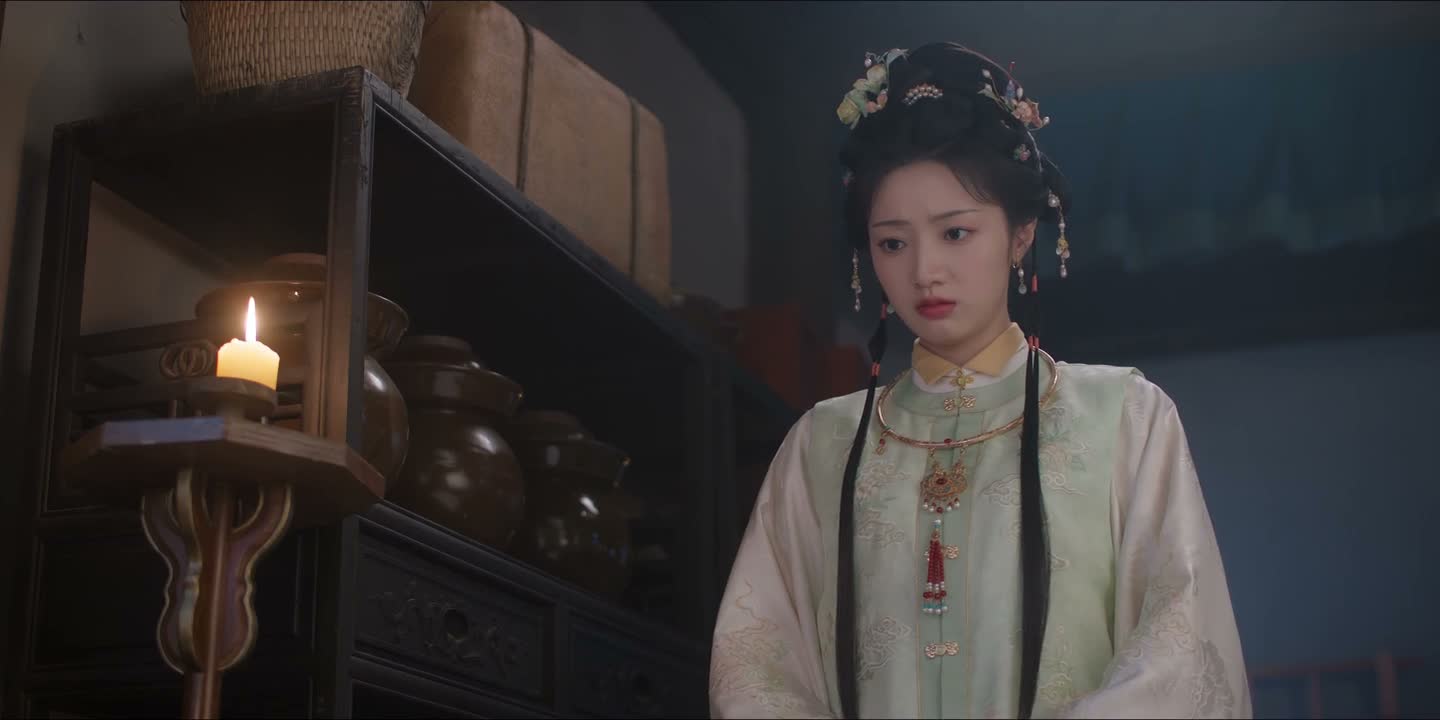
“I have failed her.”

“Mentor, I am so sorry.”
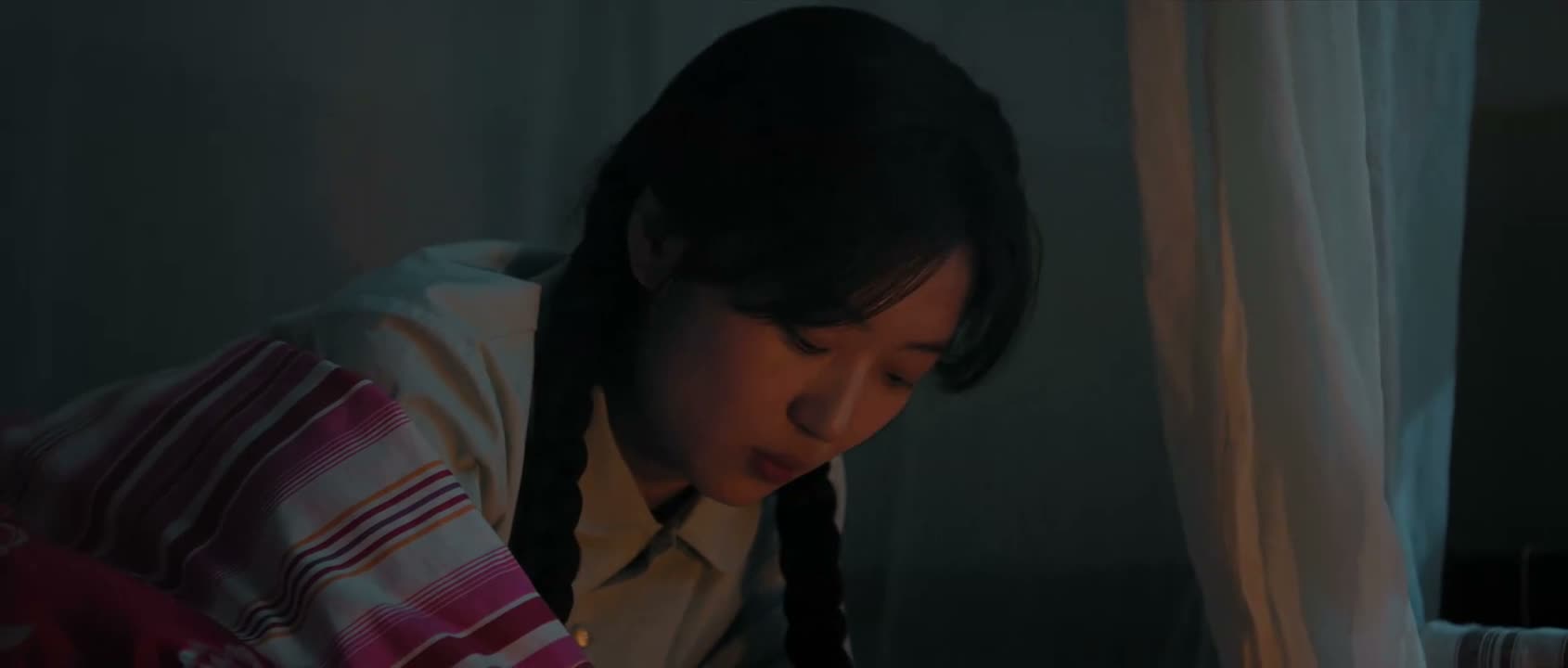
“I feel like I've let you down.”
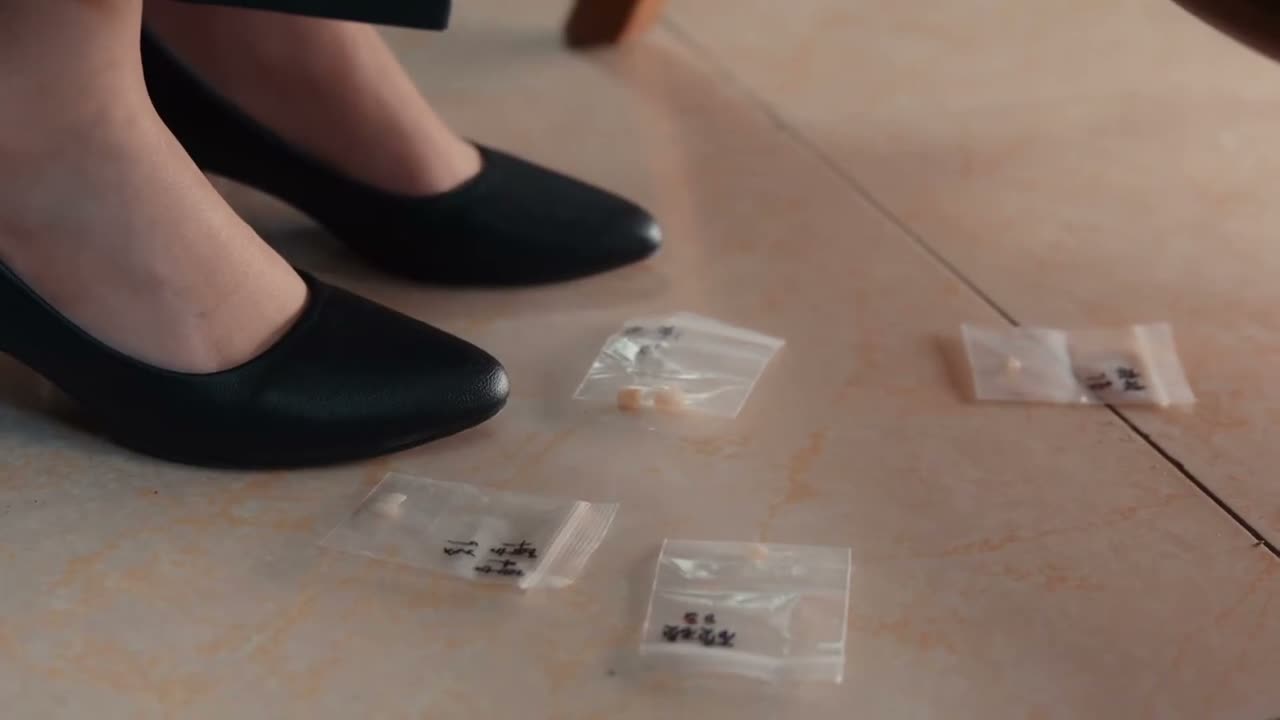
“Madam, I'm sorry. I didn't mean to.”

“Sorry. Don't worry. I won't tell anyone about this.”