那我真是对不起你们啊 你现在知道了
“I'm sorry. Oh, so now you know?”
THE DIALOGUE REEL
像你们这样 人把人气死人的 世界上居然有两个
“I can't believe there're two of you in this world who's so irritating.”
那我 真是对不起 你们啊 你现在 知道了
“I'm sorry. Oh, so now you know?”
“Now you know how bad a lie could have made it. Li Jianjian,”
“Fine, my bad! Are you happy now that you've made your point?”
In close Chinese family dynamics, explicitly apologizing with exaggerated emphasis often signals emotional venting or playful defiance rather than actual contrition.
LEARNING CHUNKS & PARTICLES
well then I am truly sorry
Often used sarcastically in colloquial speech to reject blame rather than genuinely apologizing.
now you know
Used to point out that the listener has finally realized something, often with an impatient or defiant attitude.
Heightens the sarcastic and exaggerated tone of the apology.
VOCABULARY & EXPRESSIONS
Parallel Spoken Cinema Scenes (语义近邻切片)

“I'm sorry for causing you trouble today. I'm fine.”

“We're so sorry! Captain Zhou!”

“Sorry, hope I didn't cause you any trouble.”

“I apologize to you now. I'm sorry.”
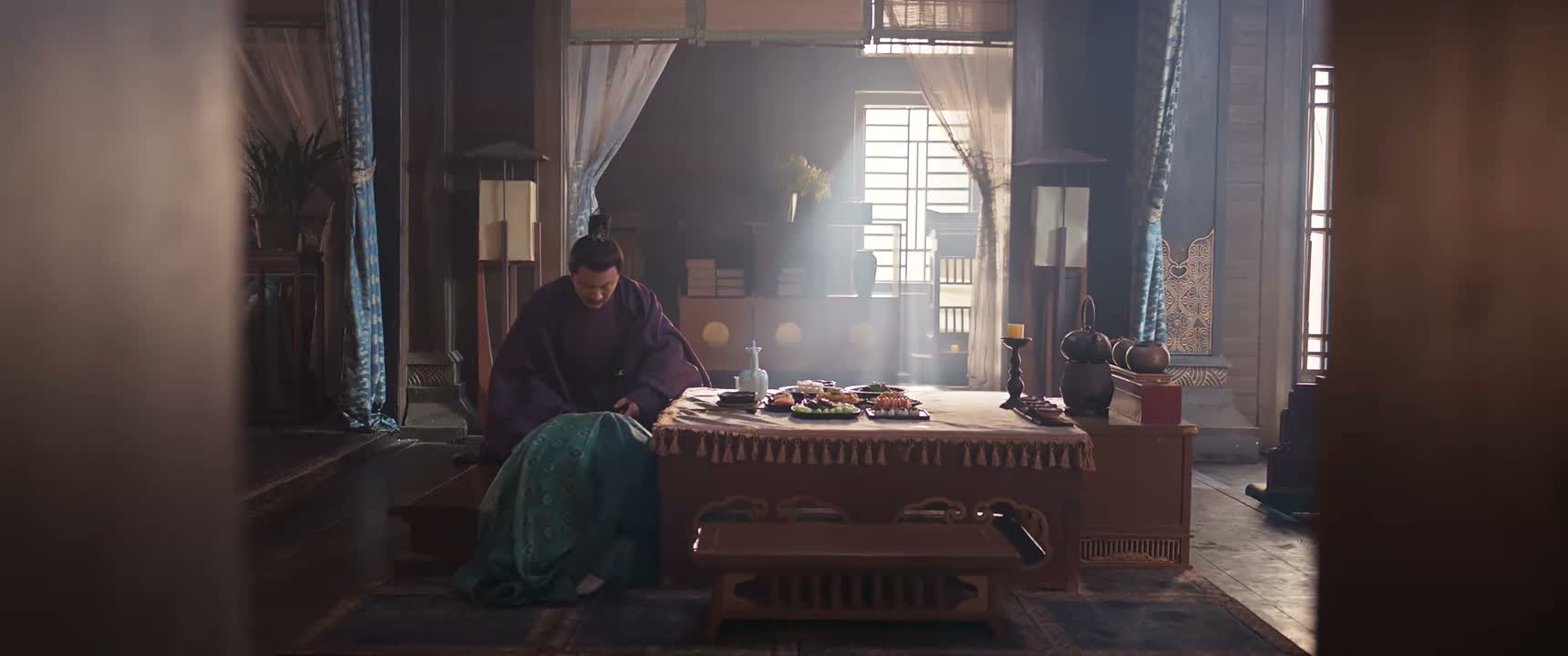
“I have wronged you.”

“So you do know you did wrong.”

“I feel I really sorry about all this.”

“I'm really sorry.”

“I'm sorry. I'm so sorry.”

“will now... Sorry.”

“I feel like I've let you down.”

“I'm really sorry. I thought she came looking for Zhangzhu,”
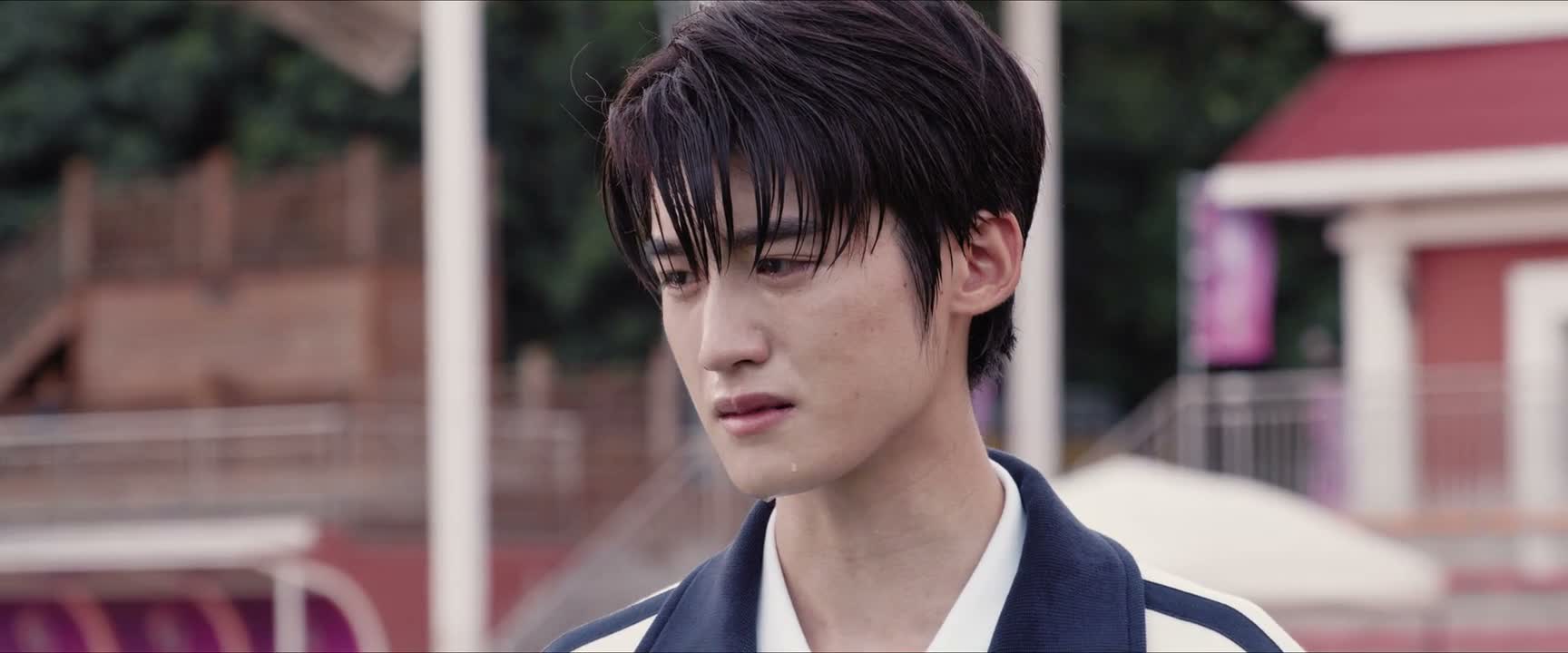
“I'm truly sorry.”

“Sorry. Don't worry. I won't tell anyone about this.”
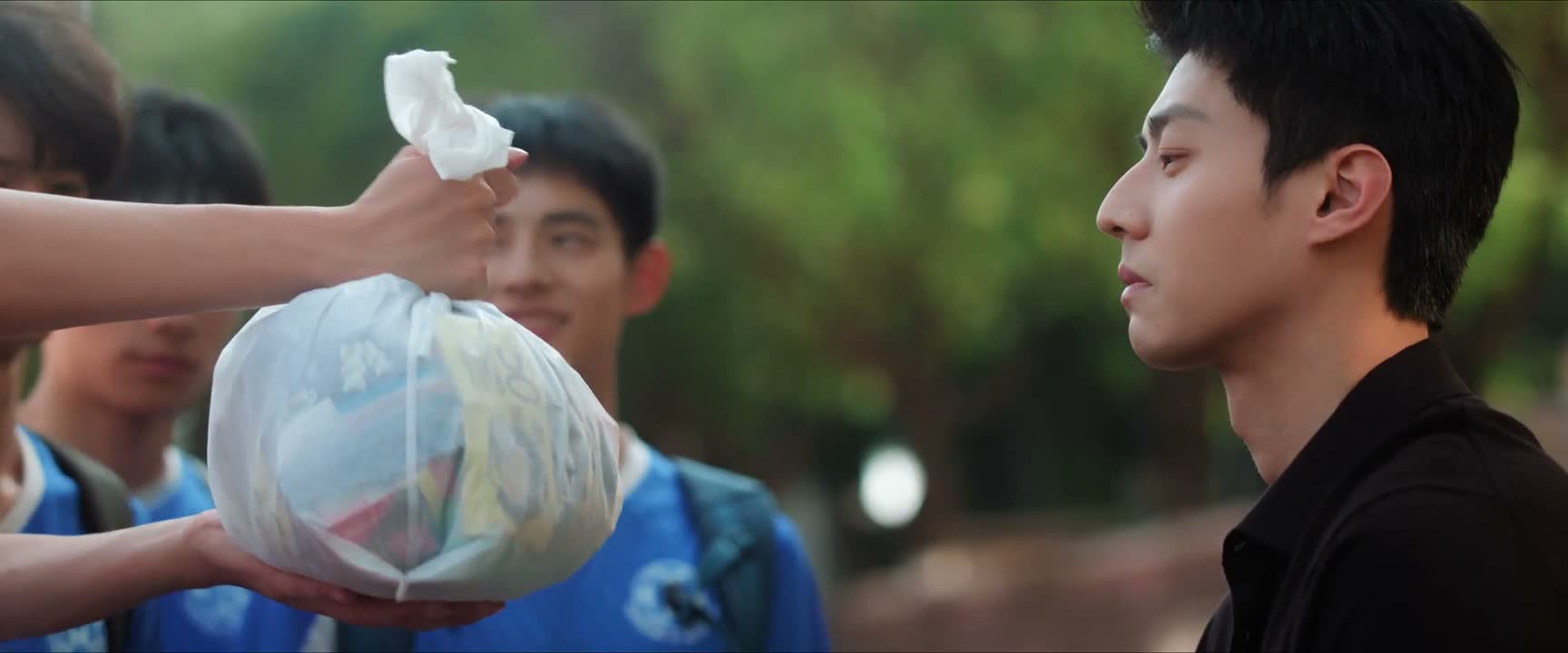
“Sorry. We were a bit loud yesterday. We apologize.”
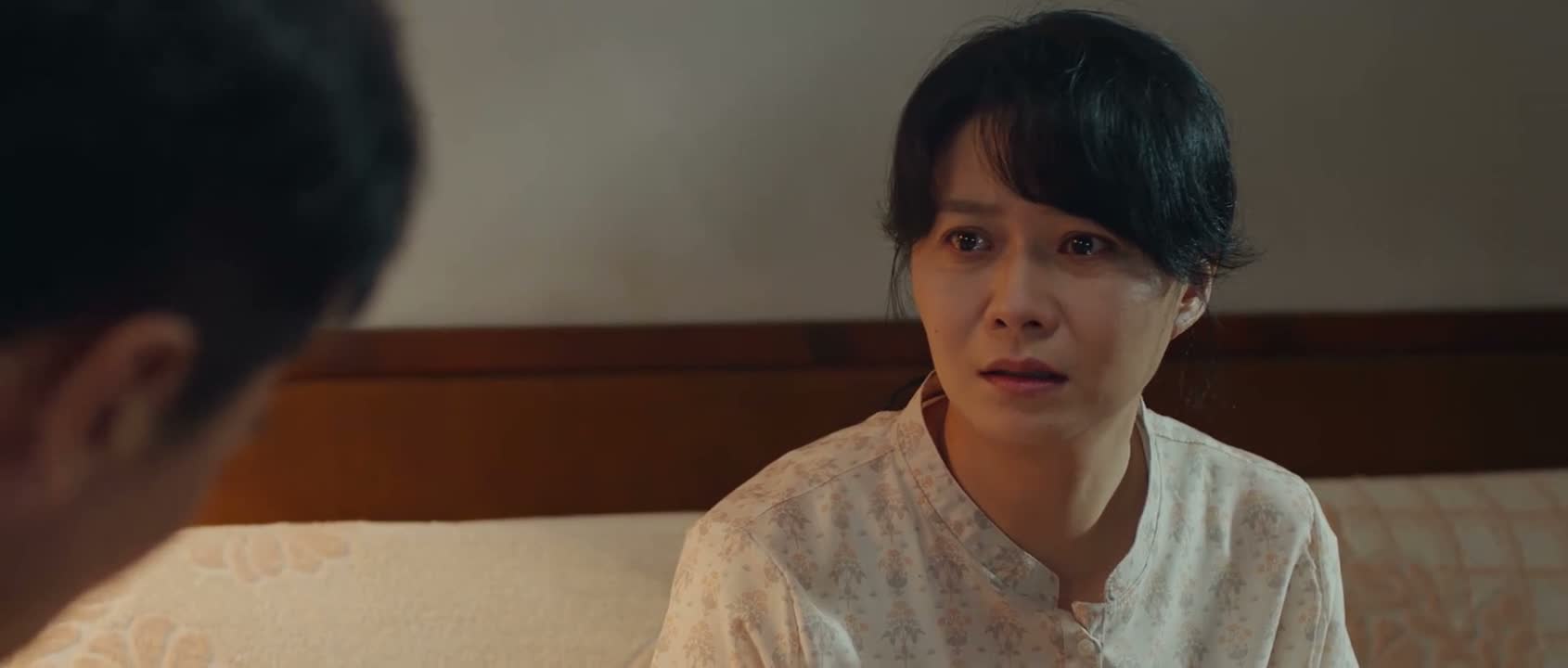
“I also know, all these years, the person I've wronged the most is you.”

“I'm really sorry. It's okay. No need...”