其实应该抱歉的人是我
“Actually, I should be the one to apologize.”
THE DIALOGUE REEL
不好意思
“I'm sorry.”
其实 应该 抱歉的人是我
“Actually, I should be the one to apologize.”
在香港
“In Hong Kong,”
Direct spoken expression in this communicative setting.
In Chinese social etiquette, responding to an apology by taking the fault onto oneself is a quintessential method to show consideration and relieve the other party's guilt.
LEARNING CHUNKS & PARTICLES
I am the one who should apologize
A polite and empathetic way to deflect someone's apology by taking the blame upon yourself.
VOCABULARY & EXPRESSIONS
Parallel Spoken Cinema Scenes (语义近邻切片)
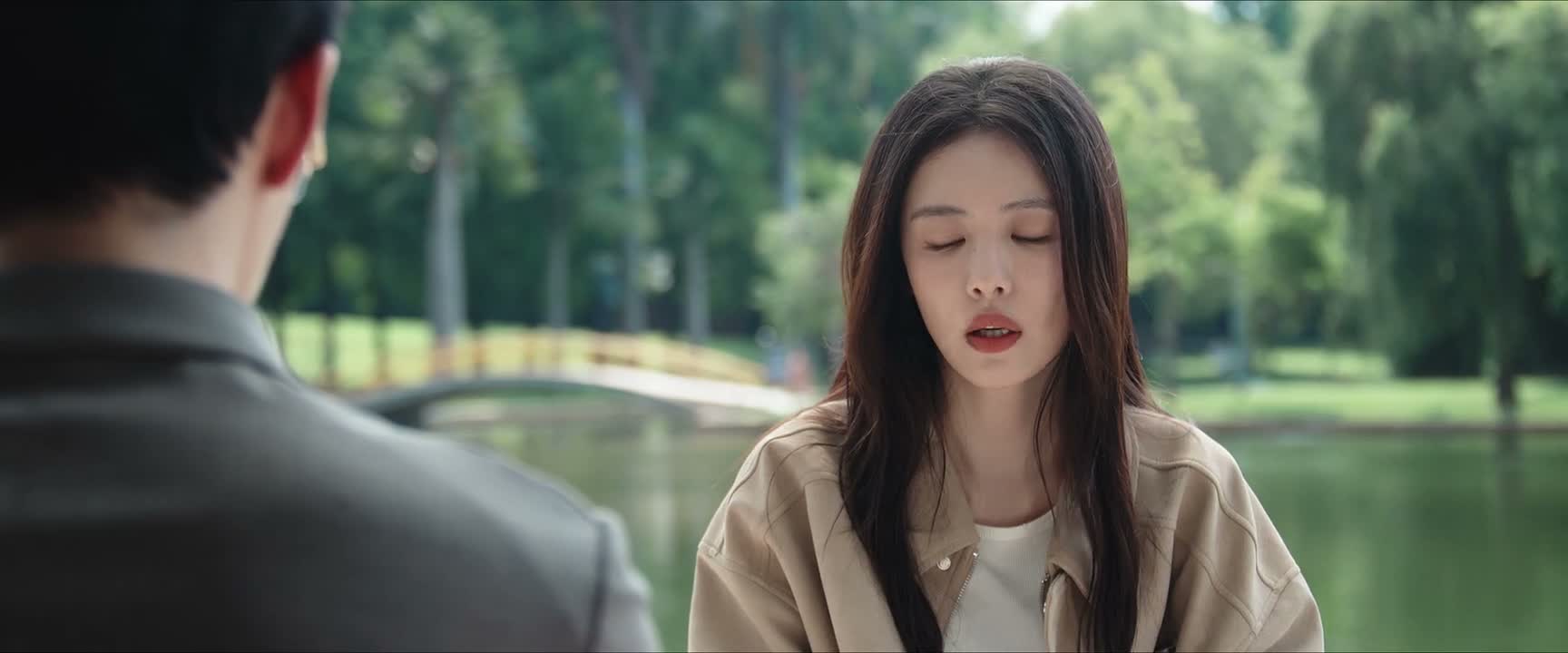
“The one who should be apologizing is me.”
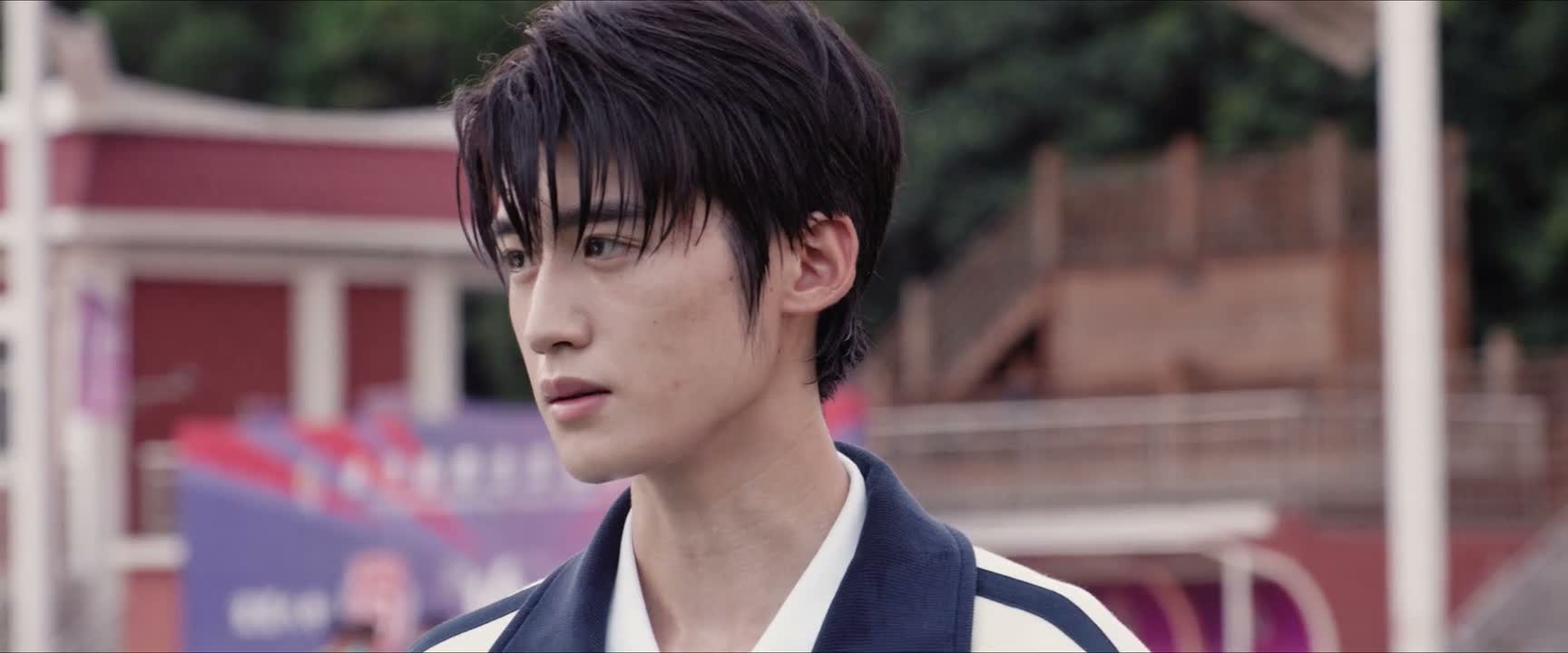
“I'm the one who should say sorry.”

“I am terribly sorry. It is my management failure.”
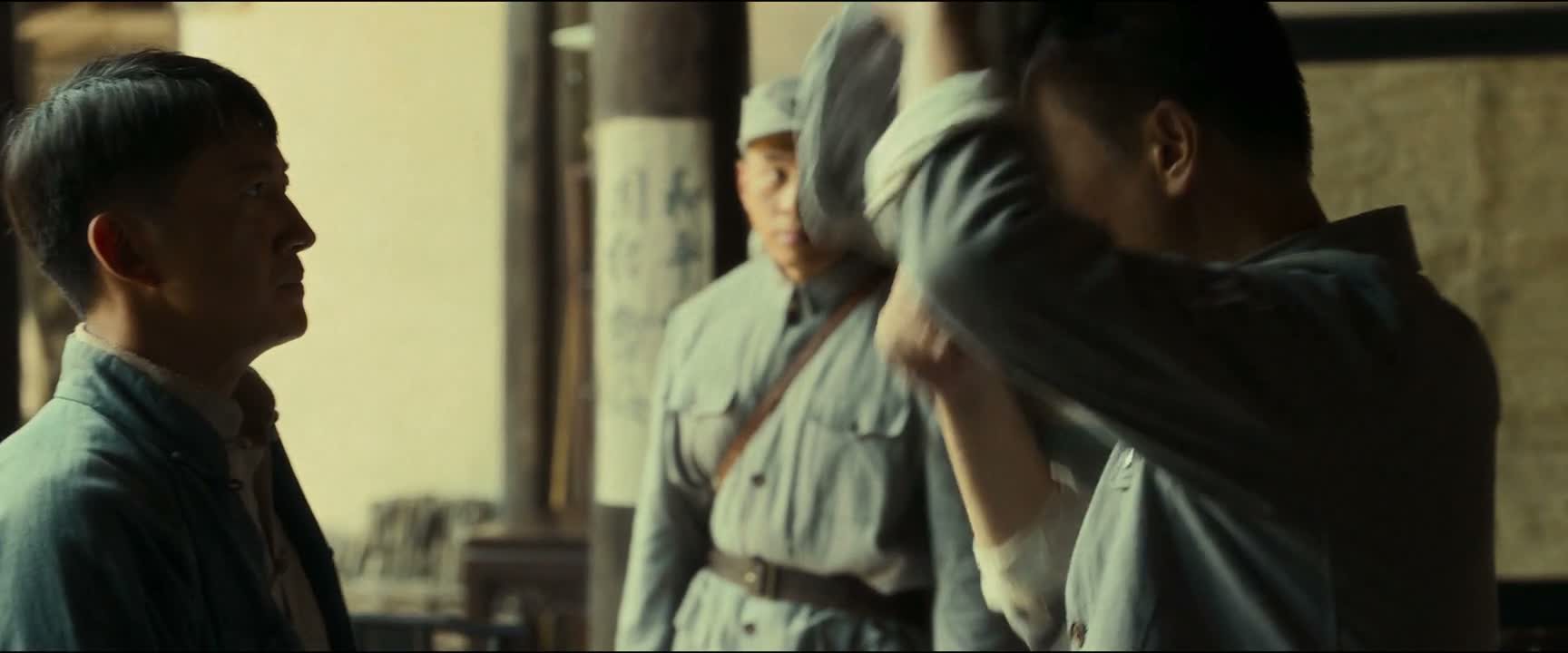
“I am really sorry. Ye Sheng and I have a meeting to attend.”

“or an apology required, I'll bear it as well.”
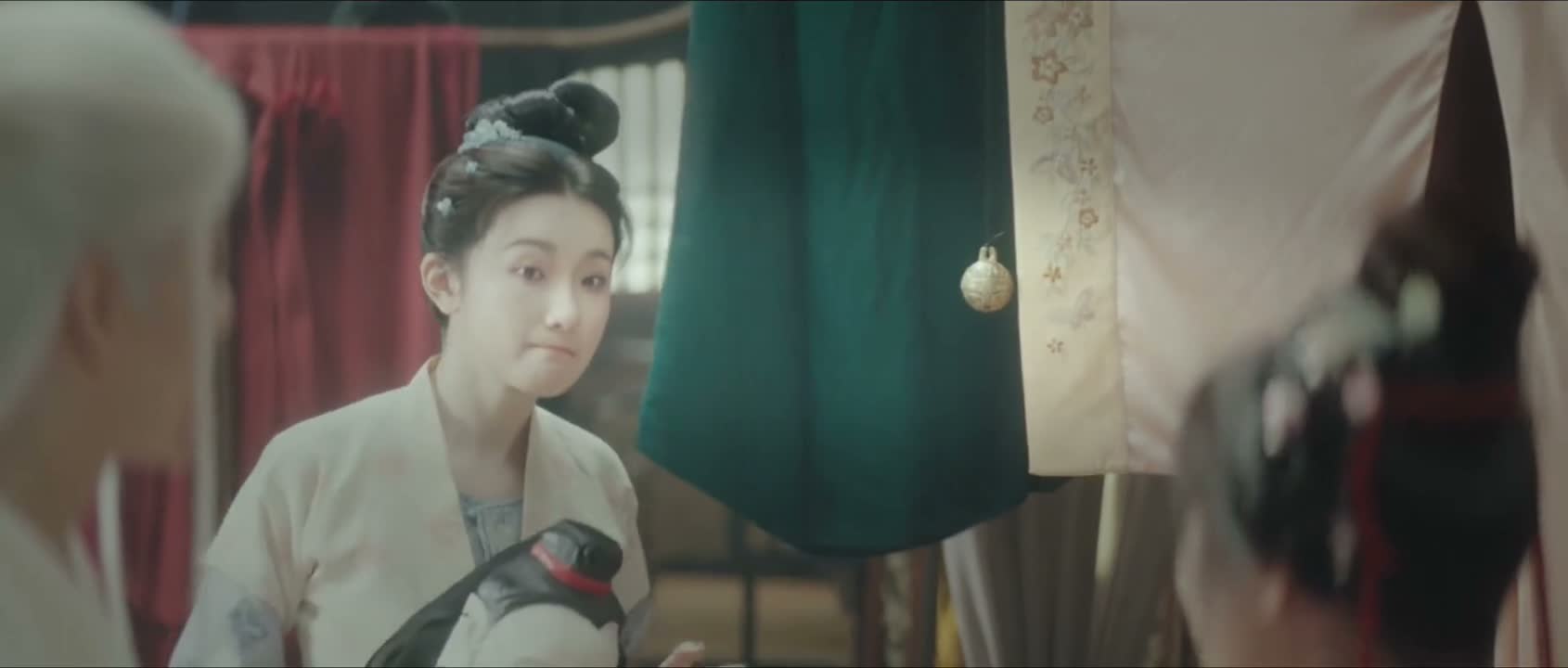
“(for his involvement.)”