她还跟我道歉来的 弄得我还挺不好意思的
“She apologized to me, which made me feel bad.”
THE DIALOGUE REEL
丽姐也没办法
“Li couldn't do anything about it.”
她还跟我 道歉 来的 弄得我 还挺 不好意思 的
“She apologized to me, which made me feel bad.”
“She went out of her way to apologize to someone of my level, which made me feel uncomfortable because she didn't have to.”
In Chinese workplace hierarchy, when a superior or elder apologizes to a subordinate, the subordinate is culturally expected to express feeling '不好意思' (unworthy/flustered) to restore balance and show humility.
LEARNING CHUNKS & PARTICLES
feeling quite embarrassed; quite flattered and uneasy
A staple spoken expression for when someone feels undeserving of praise, favor, or an apology.
past marker used in Northern spoken Chinese
Appears here in the colloquial spoken variant '来的', signaling a recent past event recalled to mind.
Used at the sentence end to confirm the speaker's genuine subjective feeling.
VOCABULARY & EXPRESSIONS
Parallel Spoken Cinema Scenes (语义近邻切片)
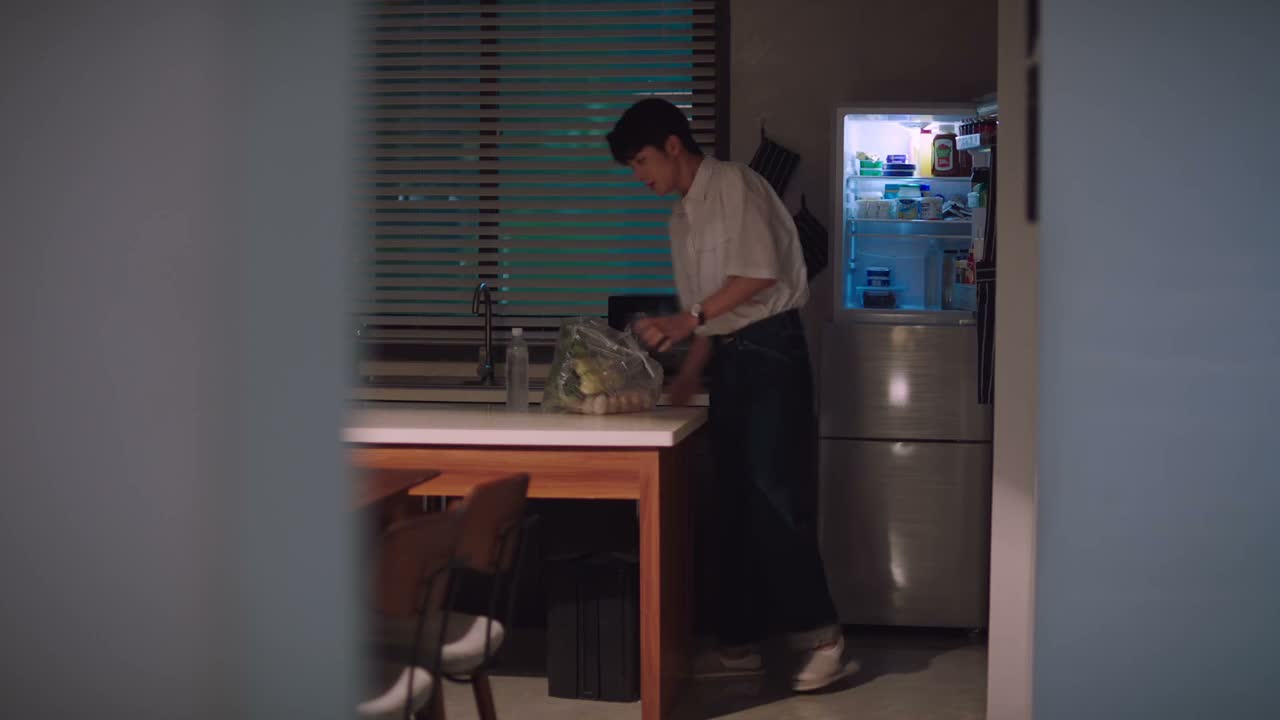
“After all, it's a fact that we failed her before.”

“I apologize to you now. I'm sorry.”
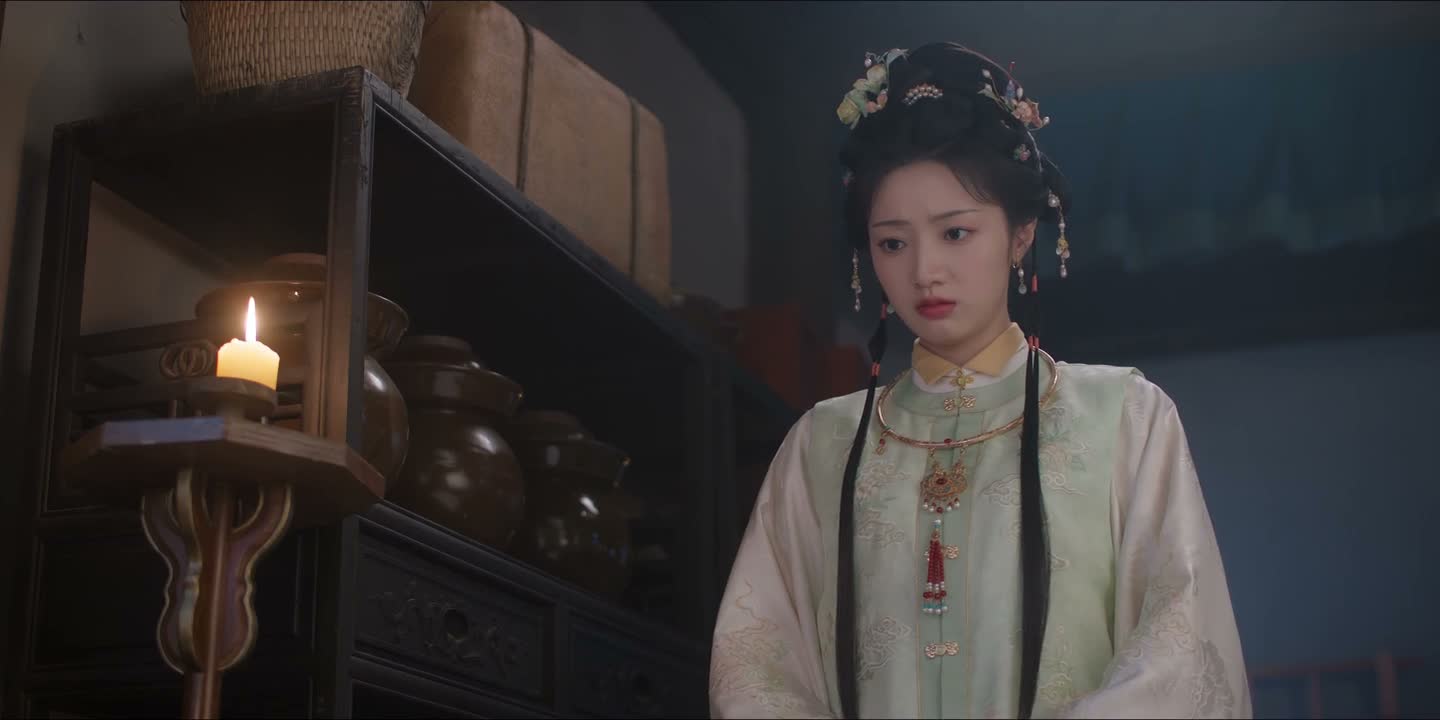
“I have failed her.”

“She apologized to me before she left,”