我还以为...呢
[主语/条件] + 我还以为 + [动词/短语] + 呢
Core sentence pattern in modern spoken Mandarin.
[Variation: 肯定建议式]
(34 clips)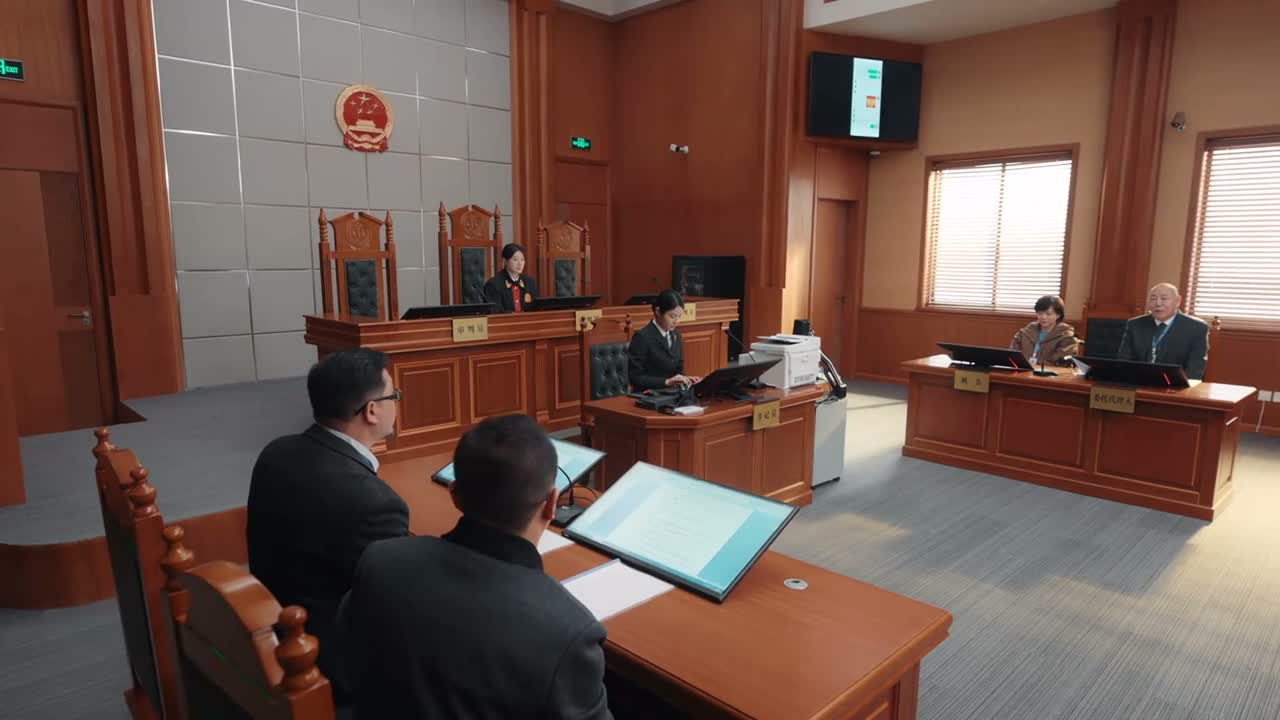 00:02
 00:02
(这我都查过了 没有线索我才来找你的) ── Previous context
“I thought you had some special connections.”
 00:02
 00:02
 00:02
 00:02
(你乐姐这身体你们还不知道吗 那必须没问题呀) ── Previous context
“I thought you'd rest at home a bit longer.”
 00:02
 00:02
 00:02
 00:03
(反正挺巧的) ── Previous context
“Mr. Xiao, I thought it would be Mr. Gong signing it today.”
 00:02
 00:02
 00:03
(咱也没大过错 对吧) ── Previous context
“I thought you were kind-hearted. Turns out you have ulterior motives.”
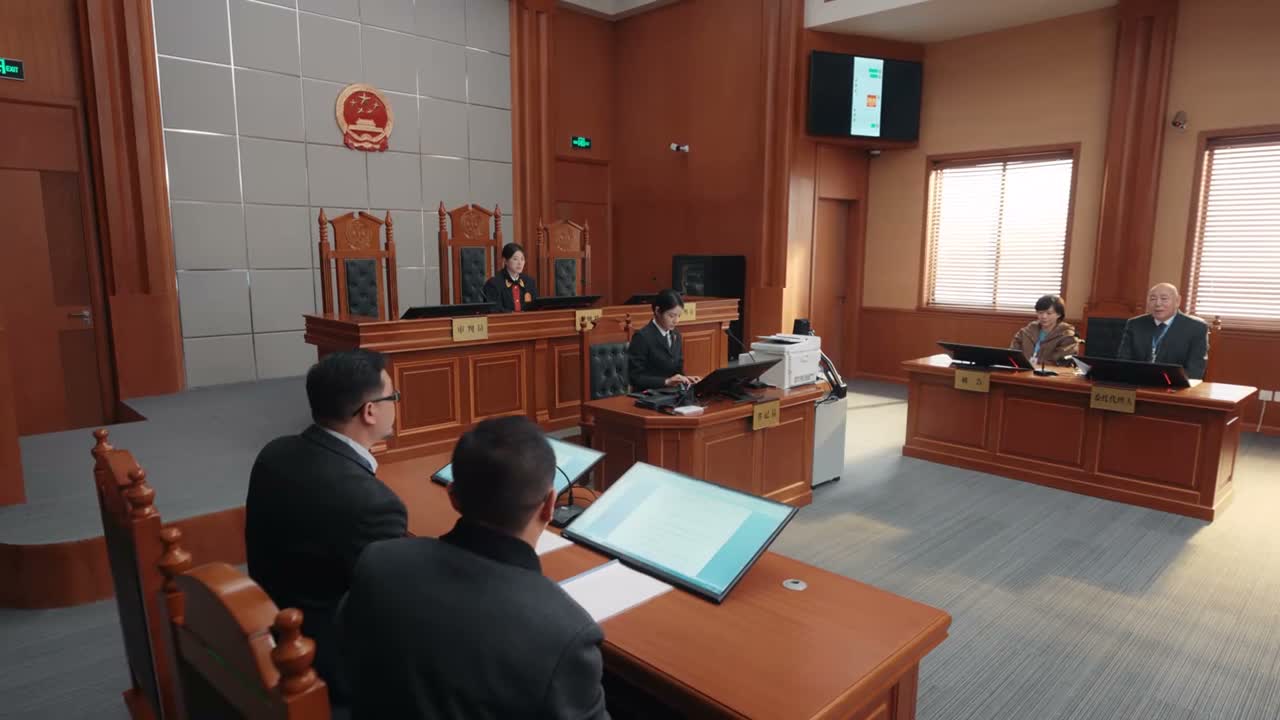 00:02
 00:02
 00:02
 00:03
(你也不喜欢) ── Previous context
“I thought you liked that kind of stuff. You look like you can fight.”
 00:02
 00:02
 00:02
 00:03
 00:02
 00:02
 00:02
 00:03
(假装自己是个身怀绝技的大侠) ── Previous context
“(I thought the childhood of an ace student) (only consisted of exam papers and workbooks.)”
 00:02
 00:03
(师姐我跟你说啊) ── Previous context
“You never even dated before. I thought you were afraid of men.”
 00:03
 00:02
 00:02
 00:02
(早说嘛 我) ── Previous context
“I thought this was our only chance. ♪ Maybe you never noticed me at all ♪”
 00:03
(和激烈的冲突) ── Previous context
“I'm really sorry. I thought she came looking for Zhangzhu,”
 00:02
 00:02
(老谭 你刚才演得不错啊 差点把我给唬了 不行) ── Previous context
“I thought you supported closure. I wasn't acting. Why would I act?”
[Variation: 否定劝阻式]
(3 clips) 00:03
(你小子命真大) ── Previous context
“You didn't move for so long. I thought you were a goner.”
 00:02
 00:03
(我们去寻找救援 怎么样) ── Previous context
“I thought you were scared. Turns out you were calculating all this.”
[Variation: 疑问反问式]
(2 clips) 00:02
(你是不是就是那个小余 青田 余青 余青田 对) ── Previous context
“Why is your hair so long? I thought you were a girl.”
 00:03
(他怎么会来) ── Previous context
“How did he know I'm here? I thought you had left.”
[Variation: 自我商量式]
(1 clips) 00:03
(要不说裴总 您的事业心真是令人敬佩啊) ── Previous context
“No wonder you're the boss. I thought you were just a deadbeat.”
📐 不用
→Nuance: 共享核心口语谓词: [对不起]
📐 不是...吗
→Nuance: 基于原预期的不同表达口吻
📐 还以为...呢
→Nuance: 同表虚惊一场,对象泛化
📐 还以为...呢
→Nuance: 完全相同的句子
📐 不是...了吗
→Nuance: 基于原预期的不同表达口吻
📐 是...吧
→Nuance: 同向近义词根配对: [喜欢 ↔ 爱]
📐 这不...吗
→Nuance: 核心句式完全一致可互换
📐 你不是说...吗
→Nuance: 基于原预期的不同表达口吻
📐 怎么...啊
→Nuance: 困惑他人获知自身行踪,意图一致
📐 还...呢
→Nuance: 同表虚惊一场,对象泛化