MC
MandarinClips Cinema Corpus
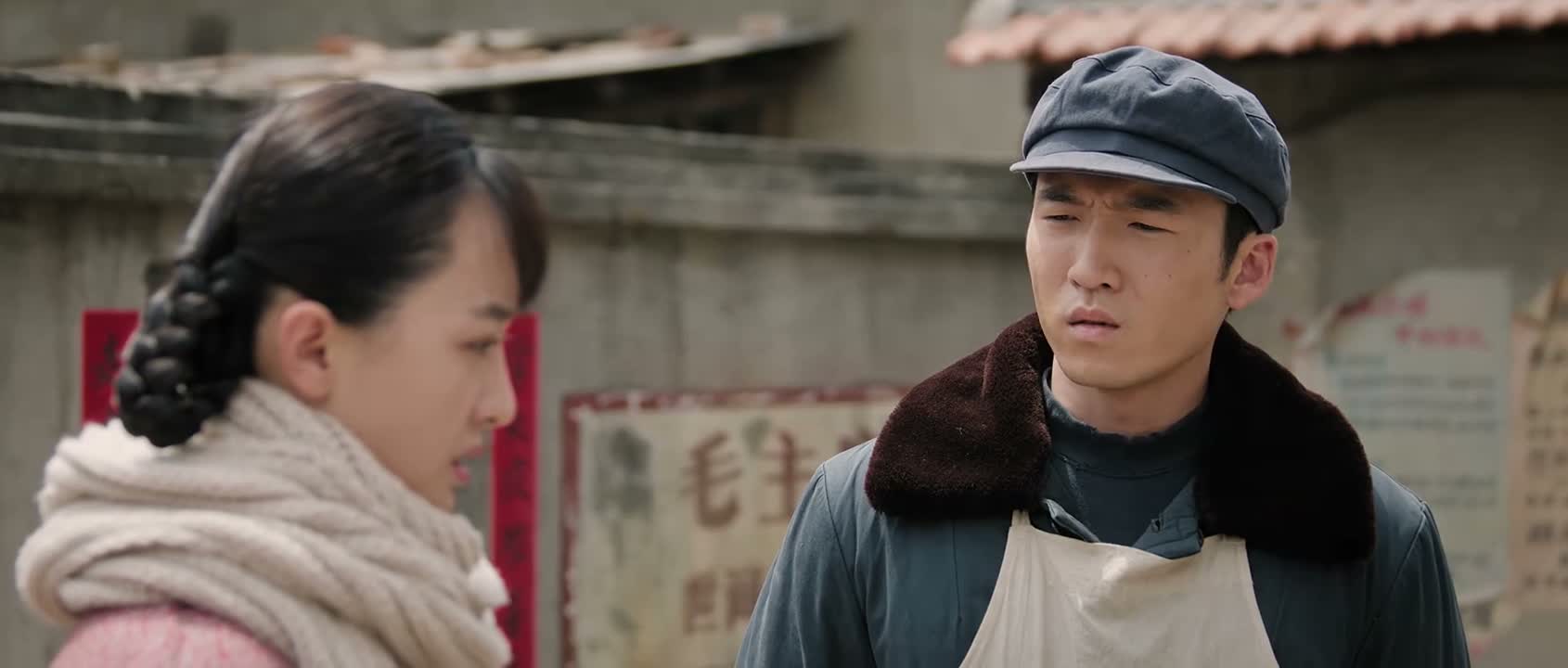
《The Ferry Man 10th Anniversary》 S1·E1 (05:46) HSK 3
tā zěn me zhī dào wǒ zài zhè ér wǒ hái yǐ wéi nǐ zǒu le ne

他怎么知道我在这儿 我还以为你走了呢

“How did he know I'm here? I thought you had left.”

《The Ferry Man 10th Anniversary》 S1·E1
TIMECODE: 05:46 · 1080P MASTER AUDIO

THE DIALOGUE REEL

1+1+1 SPOKEN CONTINUITY
[-1] PREVIOUS TURN tā zěn me huì lái

他怎么会来

“Why did he come here?”

tā zěn me zhī dào wǒ zài zhè ér wǒ hái yǐ wéi nǐ zǒu le ne CURRENT FOCUS

他 怎么知道 我在这儿 我还以为 你走 了 呢

“How did he know I'm here? I thought you had left.”

[+1] FOLLOW-UP TURN wǒ qù le gè xǐ shǒu jiān

我去了个洗手间

“I went to the restroom.”

Subtitles synced to millisecond timecode Browse Show Clips →
Scene: Daily Life
Function: EXPRESSING SURPRISE
Tone: PERPLEXED
Emotion: SURPRISE
WHAT THEY REALLY MEAN (PRAGMATIC SUBTEXT)

Direct spoken expression in this communicative setting.

💡 Cultural Insight: Clarifying Misunderstandings with '以为'

In Chinese, '以为' specifically denotes an assumption that turned out to be incorrect, contrasting with '认为' which states an objective opinion.

INTENT TAGS: #surprise #inquiry #clarification #reassurance
🧩

LEARNING CHUNKS & PARTICLES

2 CHUNKS · 1 PARTICLES
他还以为你走了呢 SPOKEN CHUNK

I assumed you had left

Expresses a mistaken past assumption using '以为' (falsely thought) paired with sentence-final '呢'.

怎么知道我在这儿 SPOKEN CHUNK

how did he know I was here

A natural way to express surprise or suspicion about someone discovering one's whereabouts.

Modal Particle「呢」 (ne) CHANGE OF STATE

Softens the declaration of a past misconception and prompts the conversational partner for an explanation.
🏮

VOCABULARY & EXPRESSIONS

4 EXPR · 2 GRAMMAR
CROSS-CINEMA CORPUS BOARD · PARALLEL SCENES

Parallel Spoken Cinema Scenes (语义近邻切片)

EXPLORE BY SEMANTIC SIMILARITY
《The Ferry Man 10th Anniversary》 S1·E1 (05:46) · Authentic Cinema Dialogue Corpus