说起来真是不好意思
“Now that you mention it, I'm so sorry.”
THE DIALOGUE REEL
美女 我朋友很喜欢这条裙子
“Hey, my friend really loves this dress.”
说起来真是不好意思
“Now that you mention it, I'm so sorry.”
昨天我逛街回家的路上
“Yesterday, on my way back from shopping,”
“It's a bit awkward to explain, but let me tell you the story.”
Chinese speakers often lead with self-effacing apologies or expressions of embarrassment to establish humility and maintain harmony before explaining an unusual situation.
LEARNING CHUNKS & PARTICLES
speaking of which / come to think of it
Used at the start of a sentence to introduce background information or start a story.
really feel embarrassed / truly sorry
A polite phrase to express mild apology, embarrassment, or awkwardness before delivering potentially uncomfortable news.
VOCABULARY & EXPRESSIONS
Parallel Spoken Cinema Scenes (语义近邻切片)
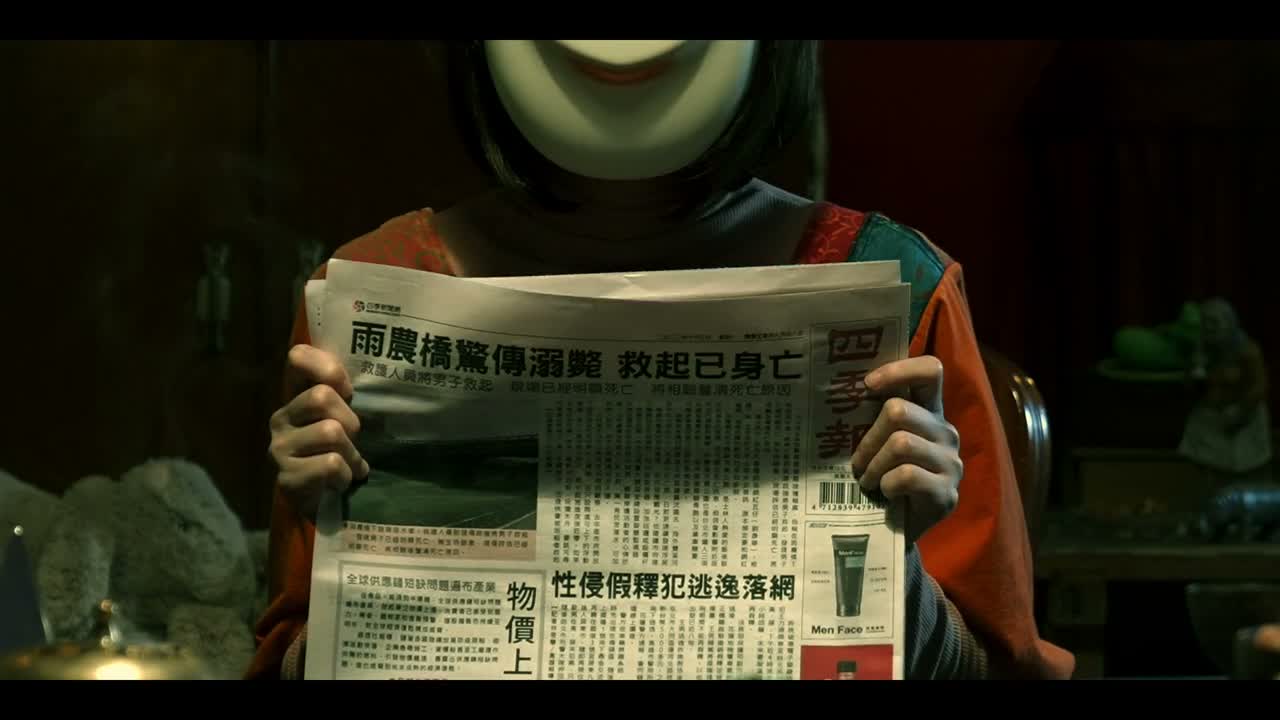
“YUNONG BRIDGE SHOCKING DROWNING INCIDENT I'm really sorry.”

“[Nanping Station] Excuse me. Sorry. Excuse me. I'm in a real hurry.”
“I'm so sorry. I apologize.”

“It's a bit embarrassing to say, but actually,”

“Now you're making me blush.”

“Thank you so much. Not at all. - Not at all. - Watch for thorns!”

“feel a bit embarrassed. You see, we...”

“That's too much.”

“What's there to be shy about?”
“Sorry about that just now.”

“No need to be embarrassed. Be frank.”

“I feel bad”

“I'm really sorry about this. Director Guo.”

“I'm terribly sorry.”
“- There were special circumstances... - This is not something a simple apology can fix.”

“You're being shy?”

“If you're really too embarrassed,”