弄得你嫂子挺不好意思的
“It actually made her feel quite awkward.”
THE DIALOGUE REEL
“Just the other day, Jing ran into him at the market. He kept apologizing.”
弄得你嫂子挺 不好意思 的
“It actually made her feel quite awkward.”
人不可貌相
“Actions can be deceiving.”
Direct spoken expression in this communicative setting.
In Chinese social interaction, excessive apologizing or deference from one party can impose psychological burden and awkwardness (不好意思) on the recipient.
LEARNING CHUNKS & PARTICLES
causing / leading to an unintended result
Commonly used in spoken Chinese to introduce an unintended emotional state or awkward outcome caused by someone else's action.
embarrassed / shy / ill at ease
Used to describe feeling flustered or uncomfortable due to excessive courtesy or public attention.
Affirms the resulting state or degree, making the description sound complete and conversational.
VOCABULARY & EXPRESSIONS
Parallel Spoken Cinema Scenes (语义近邻切片)

“Since she's your old friend, of course, I'm okay with it.”
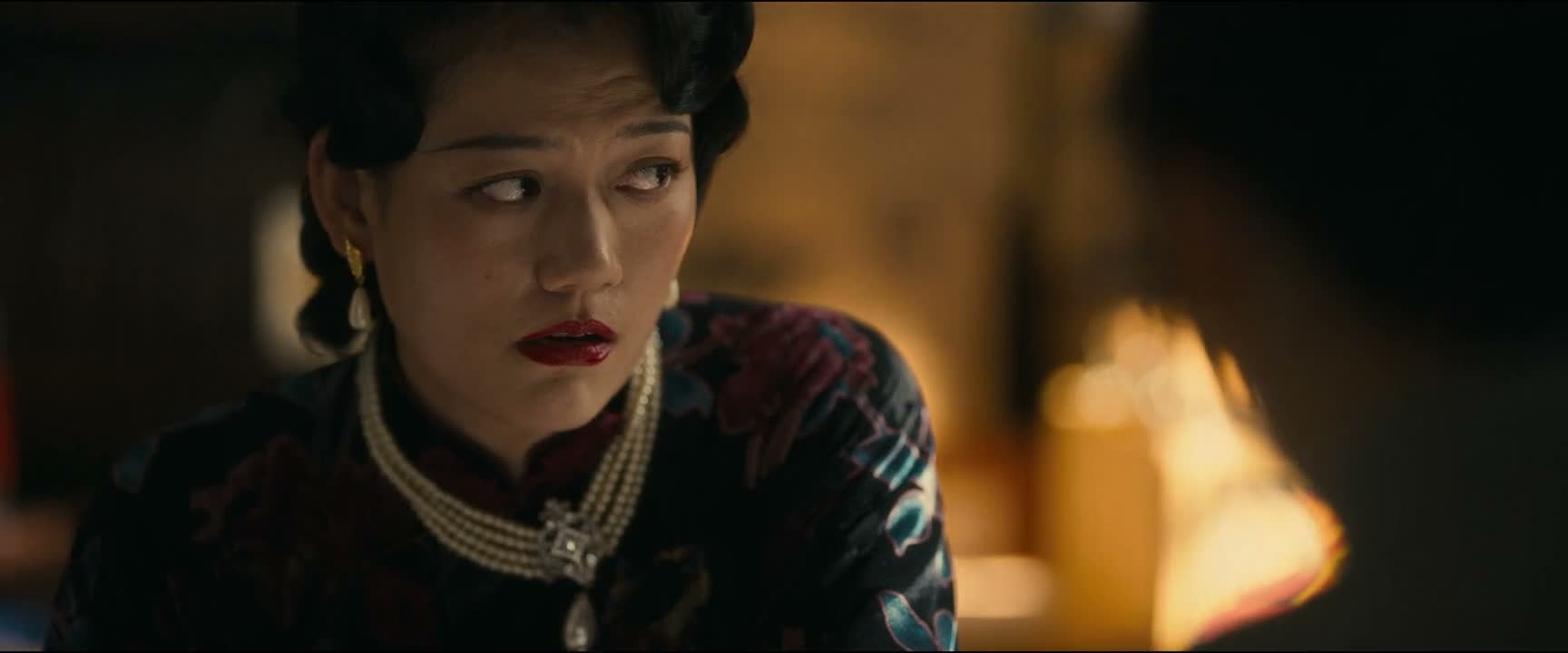
“Hey. Why are you guarding against Sister-in-law?”
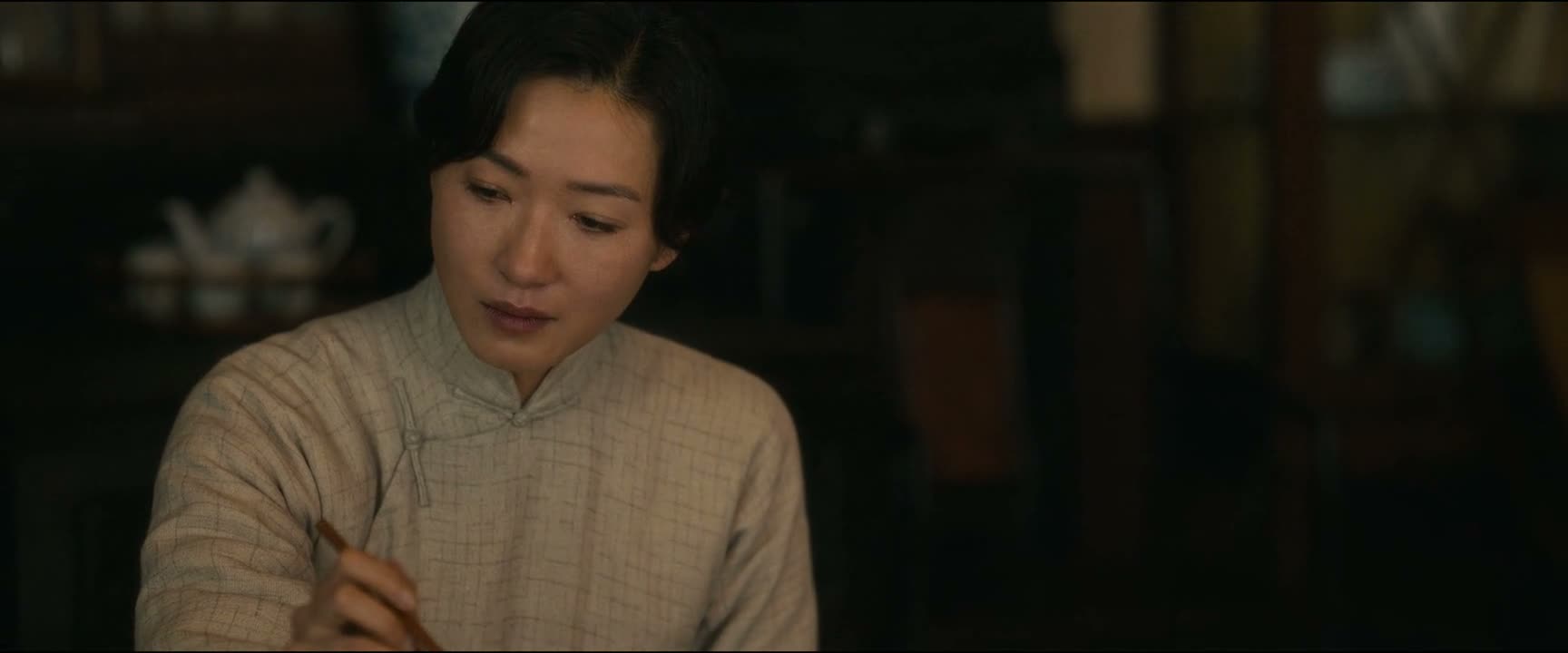
“but you shouldn't give Sister-in-law such an attitude! Who wants to eat fish?”
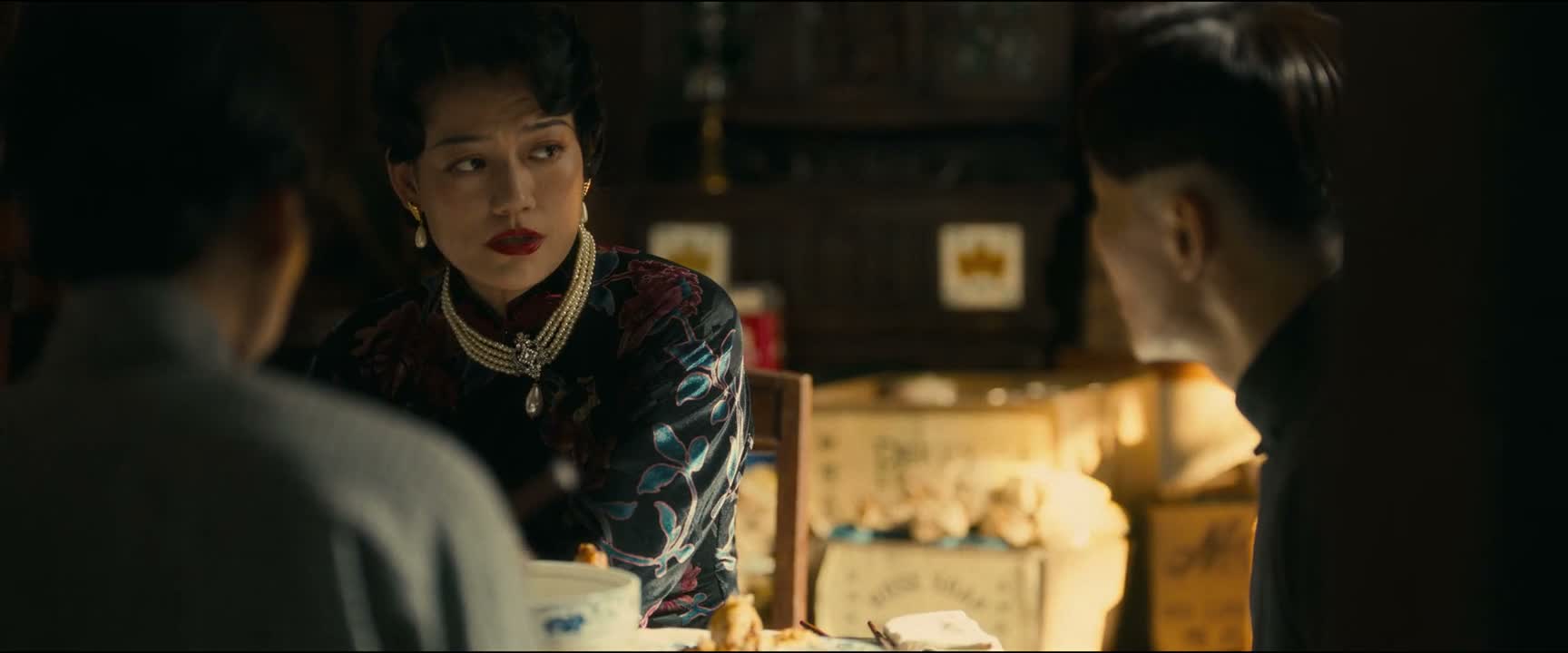
“Why would I ever guard against her? You guys have no idea.”

“Then can you tell me what you're worried about?”

“You thanked me for Sister-in-law. Don't you want to thank me yourself?”
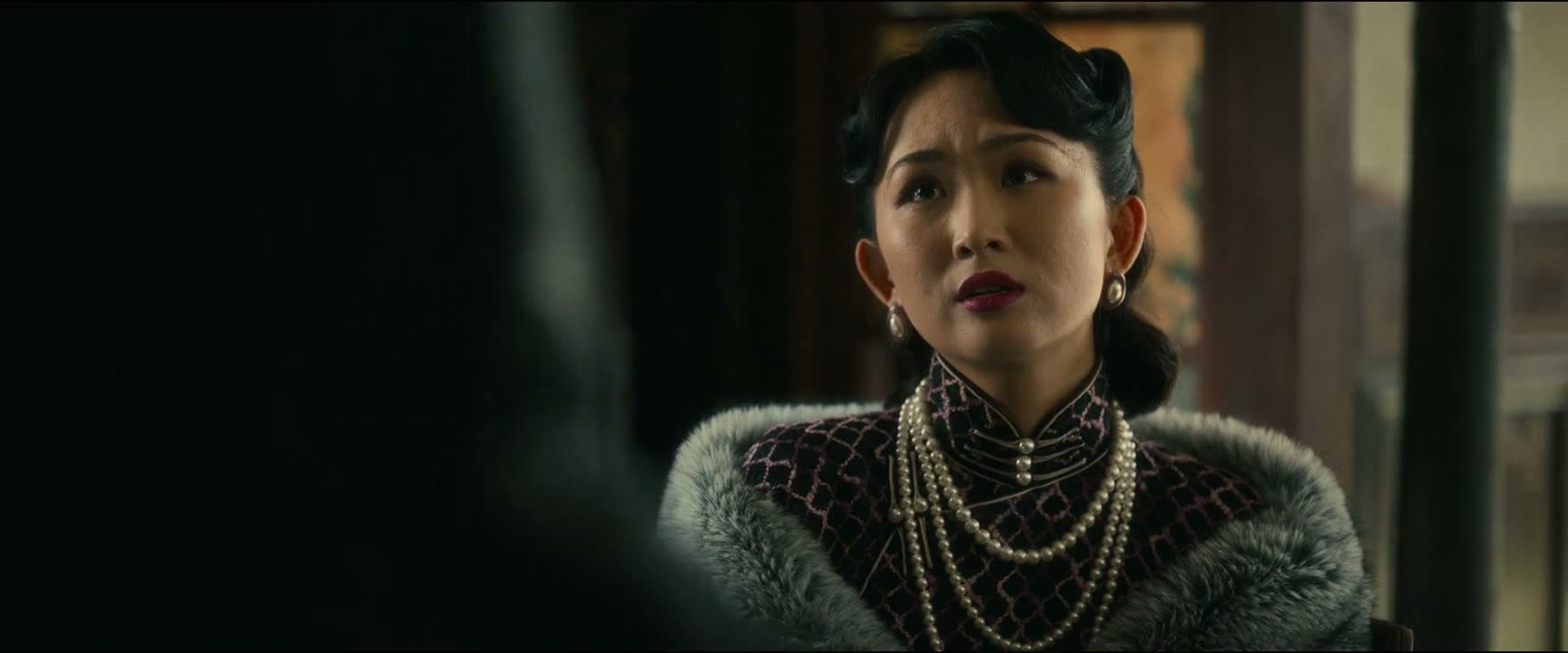
“It's all because my sister-in-law is shameless.”

“I'm sorry. My son is spoiled. Thank you.”