MC
MandarinClips Cinema Corpus
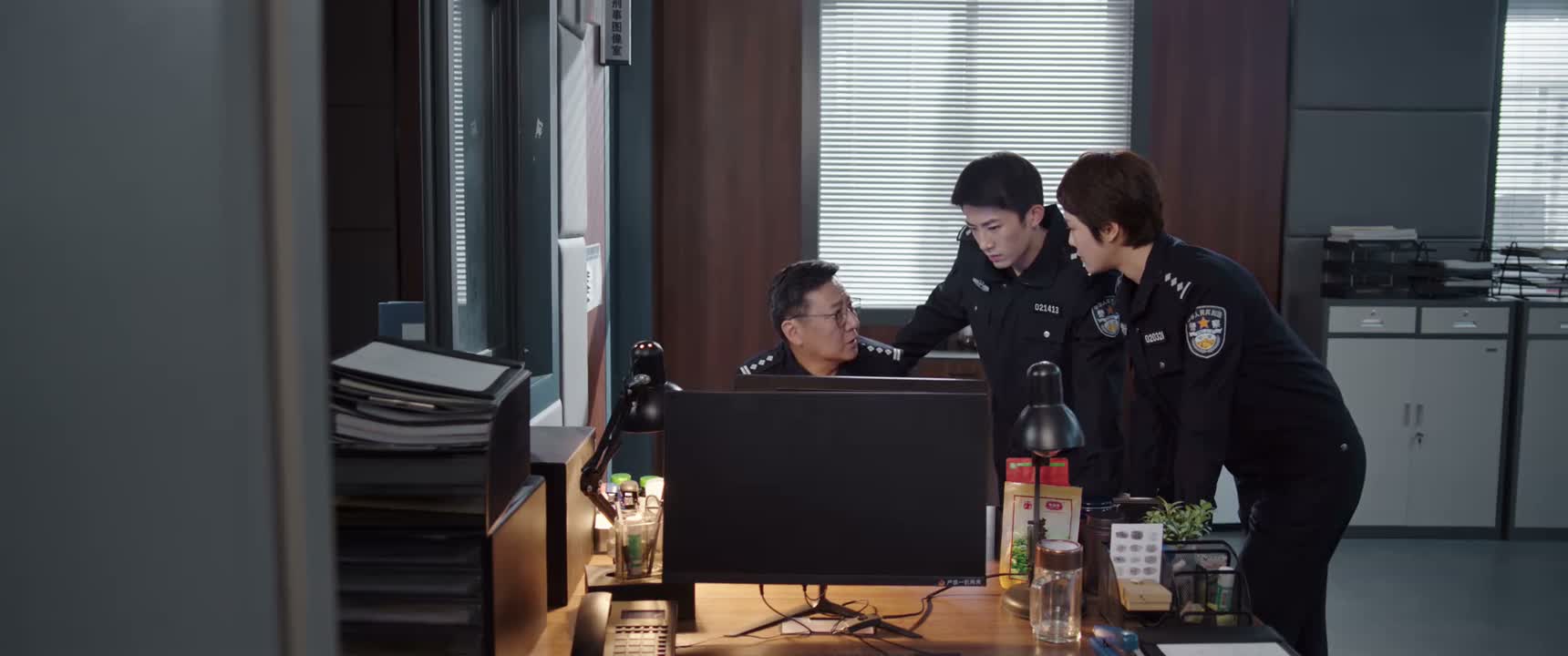
《The First Jasmine》 S1·E7 (23:26) HSK 5
nǐ tì sǎo sǎo xiè xiè wǒ nǐ zì jǐ jiù bù xiè wǒ le

你替嫂嫂谢谢我 你自己就不谢我了

“You thanked me for Sister-in-law. Don't you want to thank me yourself?”

《The First Jasmine》 S1·E7
TIMECODE: 23:26 · 1080P MASTER AUDIO

THE DIALOGUE REEL

1+1+1 SPOKEN CONTINUITY
[-1] PREVIOUS TURN nà nǐ ne

那你呢

“What about you?”

nǐ tì sǎo sǎo xiè xiè wǒ nǐ zì jǐ jiù bù xiè wǒ le CURRENT FOCUS

你 替嫂嫂谢谢我 你 自己 就不谢我了

“You thanked me for Sister-in-law. Don't you want to thank me yourself?”

[+1] FOLLOW-UP TURN xiè suàn le nǐ wǒ fū qī yī tǐ

“Thank... Forget it. We are a couple.”

Subtitles synced to millisecond timecode Browse Show Clips →
Scene: Social & Dating
Function: TEASING
Tone: TEASING
Emotion: AFFECTION
WHAT THEY REALLY MEAN (PRAGMATIC SUBTEXT)
“I don't want polite family formalities—how are you going to show your appreciation to me?”
💡 Cultural Insight: Sajiao (Playful Flirtation and Intimacy)

In Chinese couples' discourse, mock complaints about missing courtesies are often used to invite intimacy and affectionate bantering.

INTENT TAGS: #flirting #teasing #demanding_attention #playful_guilt_trip
🧩

LEARNING CHUNKS & PARTICLES

2 CHUNKS · 1 PARTICLES
替...谢谢 SPOKEN CHUNK

thank someone on behalf of another

Commonly used in formal and daily etiquette when conveying thanks for someone who is absent.

你自己就... SPOKEN CHUNK

what about yourself... / as for yourself...

Used contrastively to single out the listener's own actions or responsibilities in conversation.

Modal Particle「了」 (le) CHANGE OF STATE

Marks the rhetorical shift in state, highlighting the omission of the listener's own thanks.

🏮

VOCABULARY & EXPRESSIONS

2 EXPR · 0 GRAMMAR
CROSS-CINEMA CORPUS BOARD · PARALLEL SCENES

Parallel Spoken Cinema Scenes (语义近邻切片)

EXPLORE BY SEMANTIC SIMILARITY
《The First Jasmine》 S1·E7 (23:26) · Authentic Cinema Dialogue Corpus