实在是不好意思啊 目前我们这个案子
“We're truly sorry. Right now, the main culprits”
THE DIALOGUE REEL
欢迎 欢迎啊 辛苦了 请坐请坐 好好好
“Welcome. Welcome. Thank you for your hard work. -Have a seat, please. -Okay.”
实在是不好意思 啊 目前我们 这个 案子
“We're truly sorry. Right now, the main culprits”
主要犯罪成员 都没落网呢
“involved in this case still haven't been arrested.”
“Brace yourself, because I do not have good news about this investigation.”
In Chinese communication, bad news or difficult truths are rarely delivered directly; speakers use polite prefaces to cushion the impact and maintain harmony.
LEARNING CHUNKS & PARTICLES
really terribly sorry / genuinely apologetic
A very common polite hedge used before giving bad news or turning down a request.
at present / currently
Useful for framing status updates in professional or semi-formal settings.
Softens the opening apology to sound more personable and less abrupt.
VOCABULARY & EXPRESSIONS
Parallel Spoken Cinema Scenes (语义近邻切片)
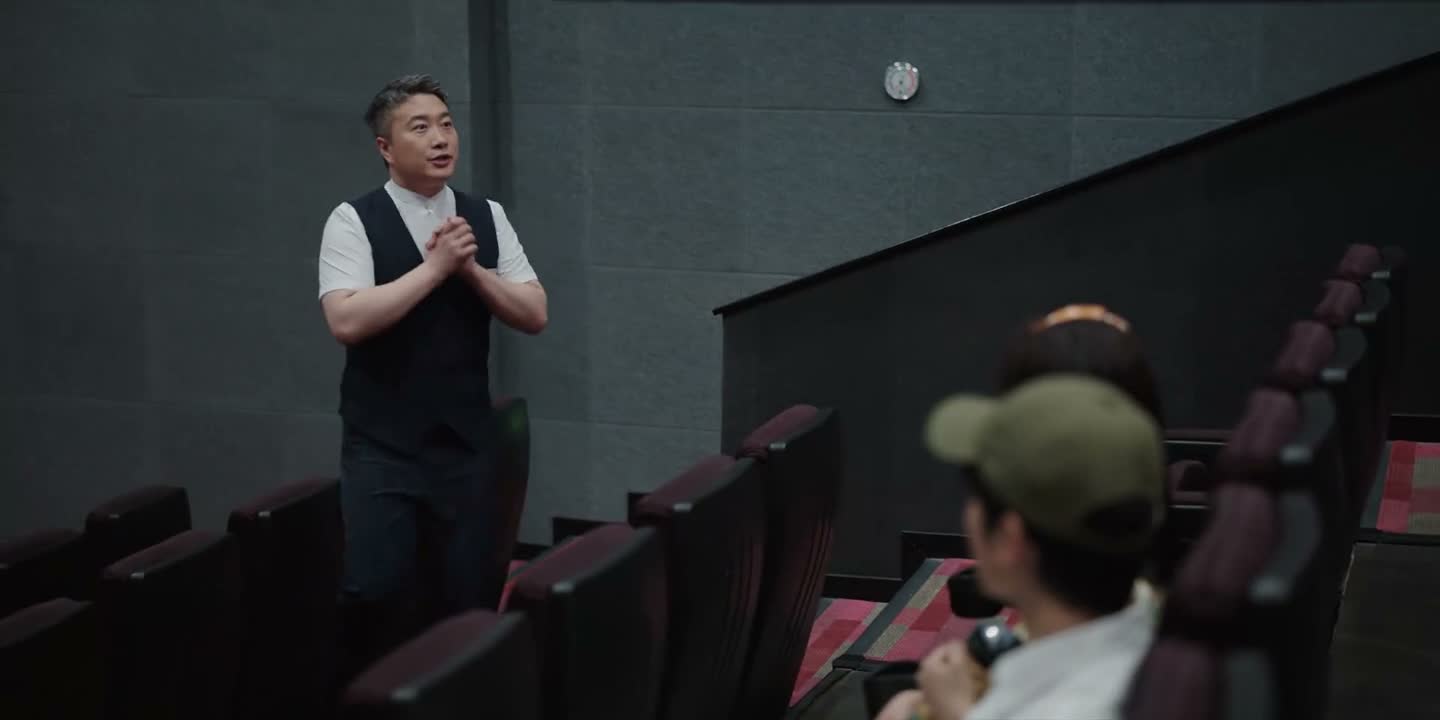
“Apologies, everyone. So sorry.”

“my apologies. Our”

“An apology won't solve the problem now.”

“I'm so sorry. I apologize.”

“I'm really sorry about this. Director Guo.”

“I'm truly sorry. We did everything we could.”

“So, apologies for today. I have to go.”

“I'm really sorry, Judge Shen. I checked again.”
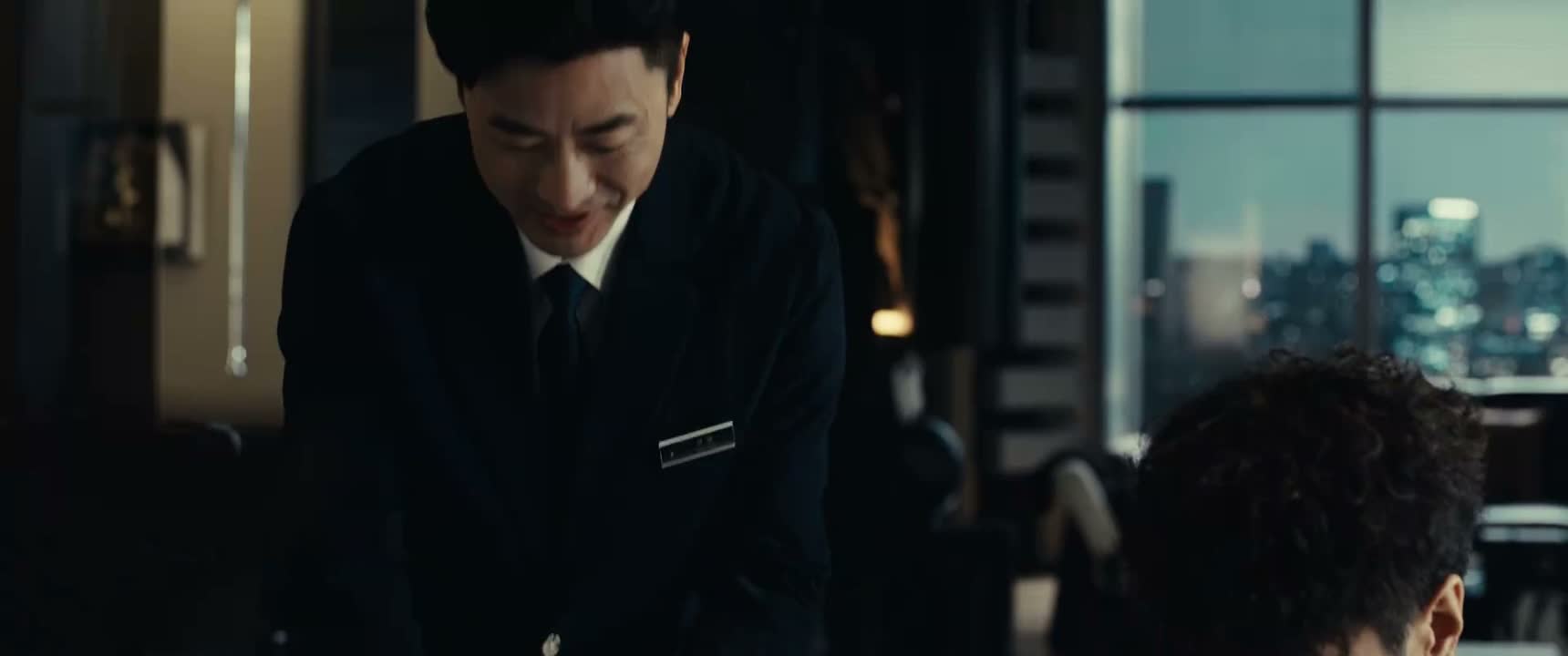
“I'm really sorry for the trouble.”

“Sorry about that just now.”

“I'm so sorry. We were having a teleconference just now.”

“we're very sorry. We have been working here,”

“I'm terribly sorry.”

“I'm truly sorry. Earlier, our Mr. Ma changed a few things.”

“I'm really sorry, but please go back and tell Mr. Fan”

“- There were special circumstances... - This is not something a simple apology can fix.”