MC
MandarinClips Cinema Corpus
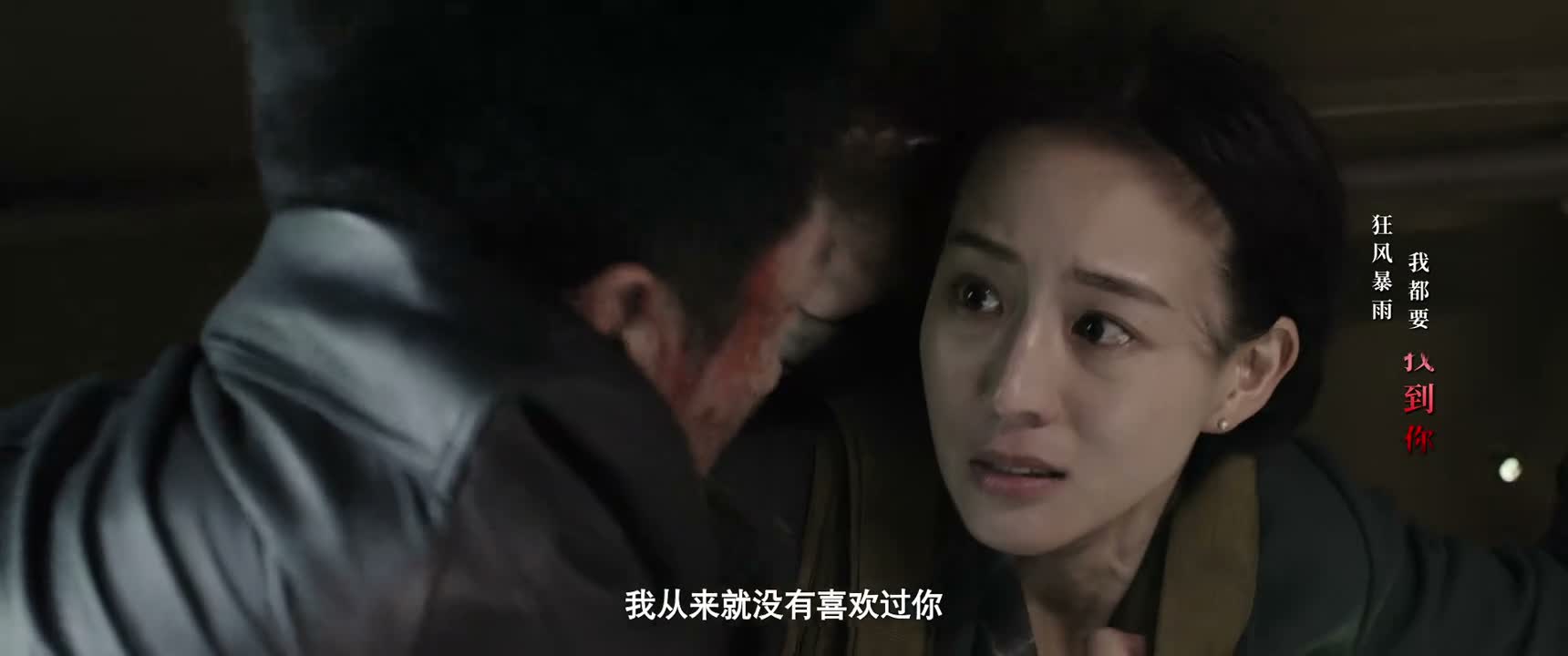
《About Love》 S1·E25 (22:48) HSK 4
nǐ cóng lái jiù méi yǒu ài guò wǒ

你从来就没有爱过我

“You never truly loved me.”

《About Love》 S1·E25
TIMECODE: 22:48 · 1080P MASTER AUDIO

THE DIALOGUE REEL

1+1+1 SPOKEN CONTINUITY
[-1] PREVIOUS TURN nǐ gēn běn jiù bù ài

“You don't love...”

nǐ cóng lái jiù méi yǒu ài guò wǒ CURRENT FOCUS

你 从来就没有爱过我

“You never truly loved me.”

[+1] FOLLOW-UP TURN suǒ yǐ nǐ bù zài hū

所以你不在乎

“So you don't care!”

Subtitles synced to millisecond timecode Browse Show Clips →
Scene: Social & Dating
Function: ACCUSING AND BLAMING
Tone: RESENTFUL
Emotion: GRIEF
WHAT THEY REALLY MEAN (PRAGMATIC SUBTEXT)
“I feel completely neglected and broken, and it hurts that you never cared about me.”
💡 Cultural Insight: Absolutist language in emotional confrontations

In contemporary Chinese media and youth dating culture, absolutist adverbs like 'genben' (at all) and 'conglai jiu' (all along / ever) are frequently used during arguments or breakups to negate the partner's entire emotional investment, serving as an emotional defense mechanism or an extreme release of anguish.

INTENT TAGS: #accusing #feeling aggrieved #despair #emotional venting
🧩

LEARNING CHUNKS & PARTICLES

2 CHUNKS · 0 PARTICLES
从来就 SPOKEN CHUNK

all along; ever; from the very beginning

Often paired with negative adverbs like 'mei' or 'bu' to intensify an absolute denial, conveying strong emotional emphasis.

爱过 SPOKEN CHUNK

have loved; once loved

Combines a verb with the aspect particle 'guo' to indicate past experience; in negative sentences ('meiyou aiguo'), it emphasizes that this emotional experience has never occurred.

🏮

VOCABULARY & EXPRESSIONS

1 EXPR · 2 GRAMMAR
CROSS-CINEMA CORPUS BOARD · PARALLEL SCENES

Parallel Spoken Cinema Scenes (语义近邻切片)

EXPLORE BY SEMANTIC SIMILARITY
《About Love》 S1·E25 (22:48) · Authentic Cinema Dialogue Corpus