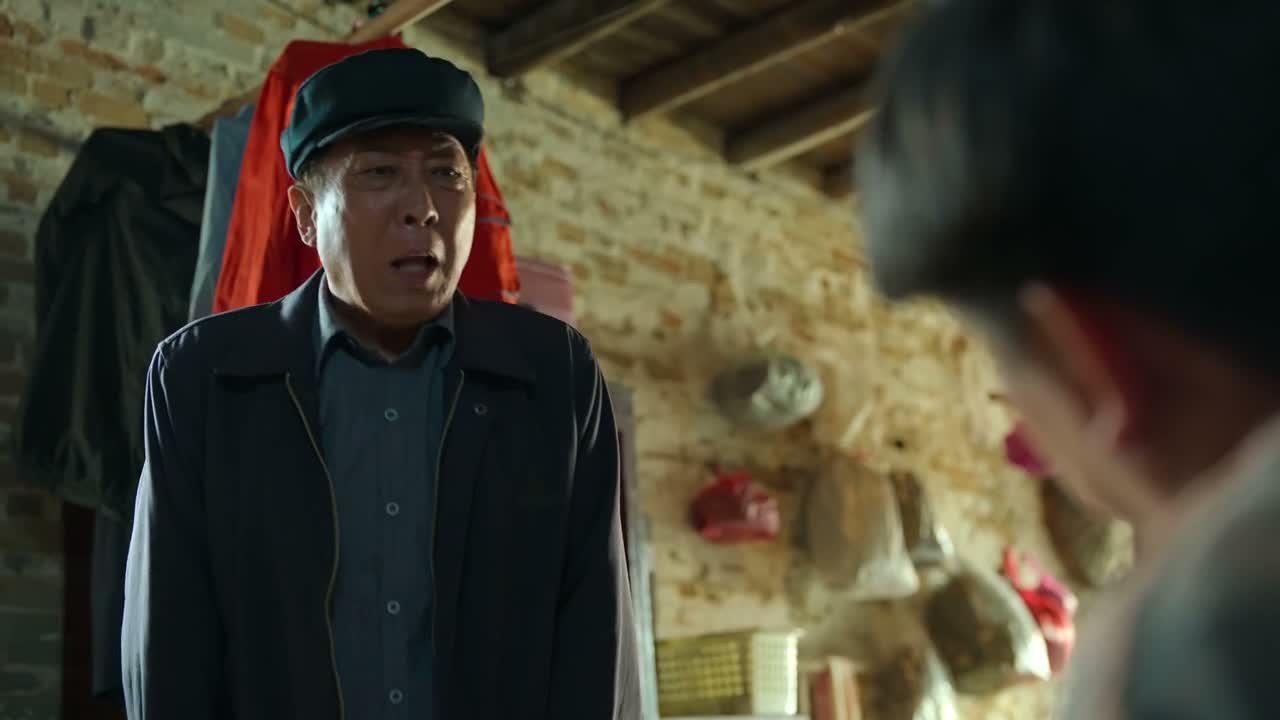
他坑你呢 你知道吧
“Do you know he's scamming you?”
THE DIALOGUE REEL
那个小矮个子
“That short guy.”
他 坑你呢 你知道吧
“Do you know he's scamming you?”
你帮他提炼那些油卖到城里去
“You refine all that oil for him to sell in the city.”
“He's totally using and setting you up, don't you realize that?”
Originally referring to a pit or trap, this term is widely used in contemporary colloquial Chinese to mean setting up, cheating, or taking advantage of someone.
LEARNING CHUNKS & PARTICLES
to deceive, trap, or take advantage of someone
A highly frequent colloquial verb, often used to describe being tricked or set up by an acquaintance, as in 'ni bei ta keng le' (you got ripped off by him).
you know that, right?; checking if someone is aware
A colloquial tag question used to add emphasis and urge the listener to realize the situation clearly.
Indicates an ongoing action or state while carrying a mild tone of reminding or prompting.
Placed at the end of a sentence to form a rhetorical tag question, prompting the listener to reflect or confirm a known fact.