MC
MandarinClips Cinema Corpus
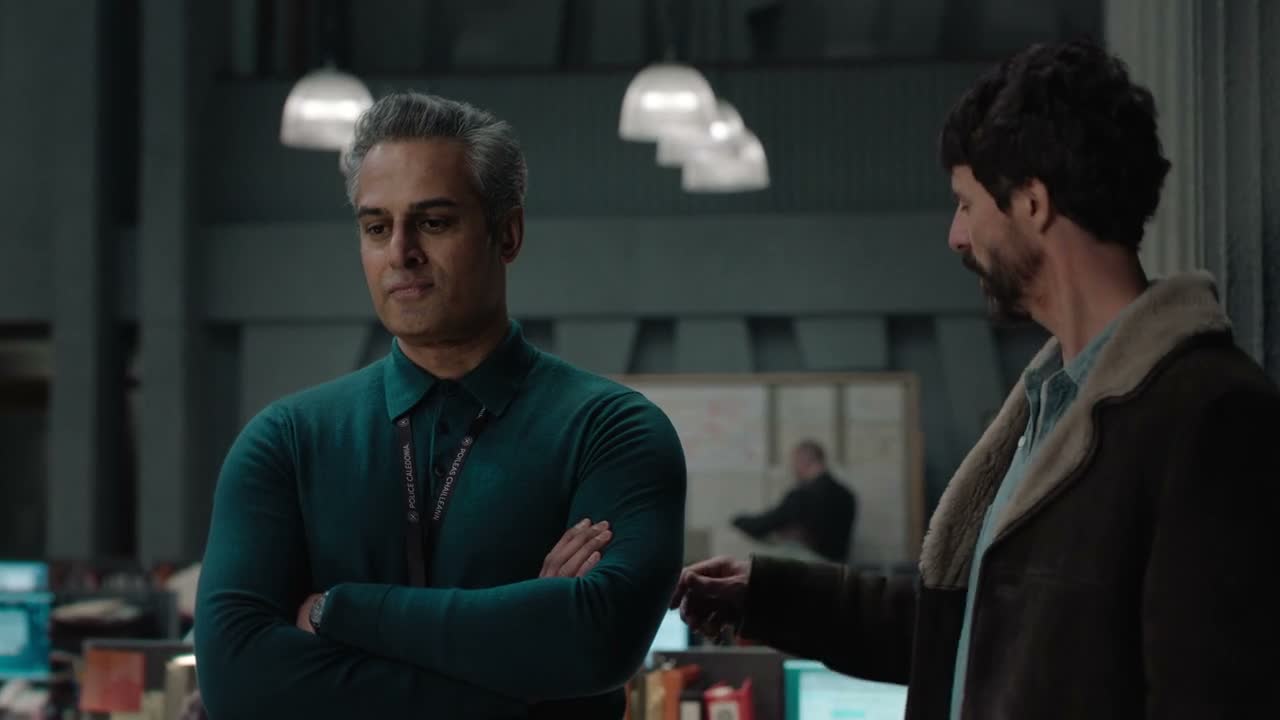
《Road to Success》 S1·E32 (10:57) HSK 3
tóng xué zán men huàn yī xià xíng bù xíng

同学 咱们换一下行不行

“Miss, can we switch seats?”

《Road to Success》 S1·E32
TIMECODE: 10:57 · 1080P MASTER AUDIO

THE DIALOGUE REEL

1+1+1 SPOKEN CONTINUITY
[-1] PREVIOUS TURN méi yǒu cái bú shì a nǐ liǎn dōu hóng le méi yǒu

“-No! That's not true! -Of course it's him. You're blushing. No, I'm not.”

tóng xué zán men huàn yī xià xíng bù xíng CURRENT FOCUS

同学 咱们 换一下 行不行

“Miss, can we switch seats?”

[+1] FOLLOW-UP TURN kě yǐ tài hǎo le gěi

可以 太好了 给

“Sure. Great. Here. [Go For It]”

Subtitles synced to millisecond timecode Browse Show Clips →
Scene: School & Education
Function: REQUESTING FAVOR
Tone: SINCERE
Emotion: JOY
WHAT THEY REALLY MEAN (PRAGMATIC SUBTEXT)
“Excuse me, would you mind switching places with me? I'd really appreciate it.”
💡 Cultural Insight: tongxue (Classmate)

In Chinese school environments, students can address each other as 'tongxue' even if they do not know each other well, which is polite, natural, and friendly.

💡 Cultural Insight: zanmen (Inclusive 'we')

A high-frequency colloquial term in northern China that includes both the speaker and the listener, helping to build rapport and soften any awkwardness.

INTENT TAGS: #request #seat swapping #consulting #building rapport
🧩

LEARNING CHUNKS & PARTICLES

2 CHUNKS · 0 PARTICLES
换一下 SPOKEN CHUNK

swap or switch briefly

Verb + 'yixia' is commonly used in spoken Chinese to soften the tone of a request, making it polite and tactful.

行不行 SPOKEN CHUNK

is it okay / all right

An affirmative-negative question structure used to seek permission or input in a friendly, consultative manner.
🏮

VOCABULARY & EXPRESSIONS

2 EXPR · 0 GRAMMAR
CROSS-CINEMA CORPUS BOARD · PARALLEL SCENES

Parallel Spoken Cinema Scenes (语义近邻切片)

EXPLORE BY SEMANTIC SIMILARITY
《Road to Success》 S1·E32 (10:57) · Authentic Cinema Dialogue Corpus