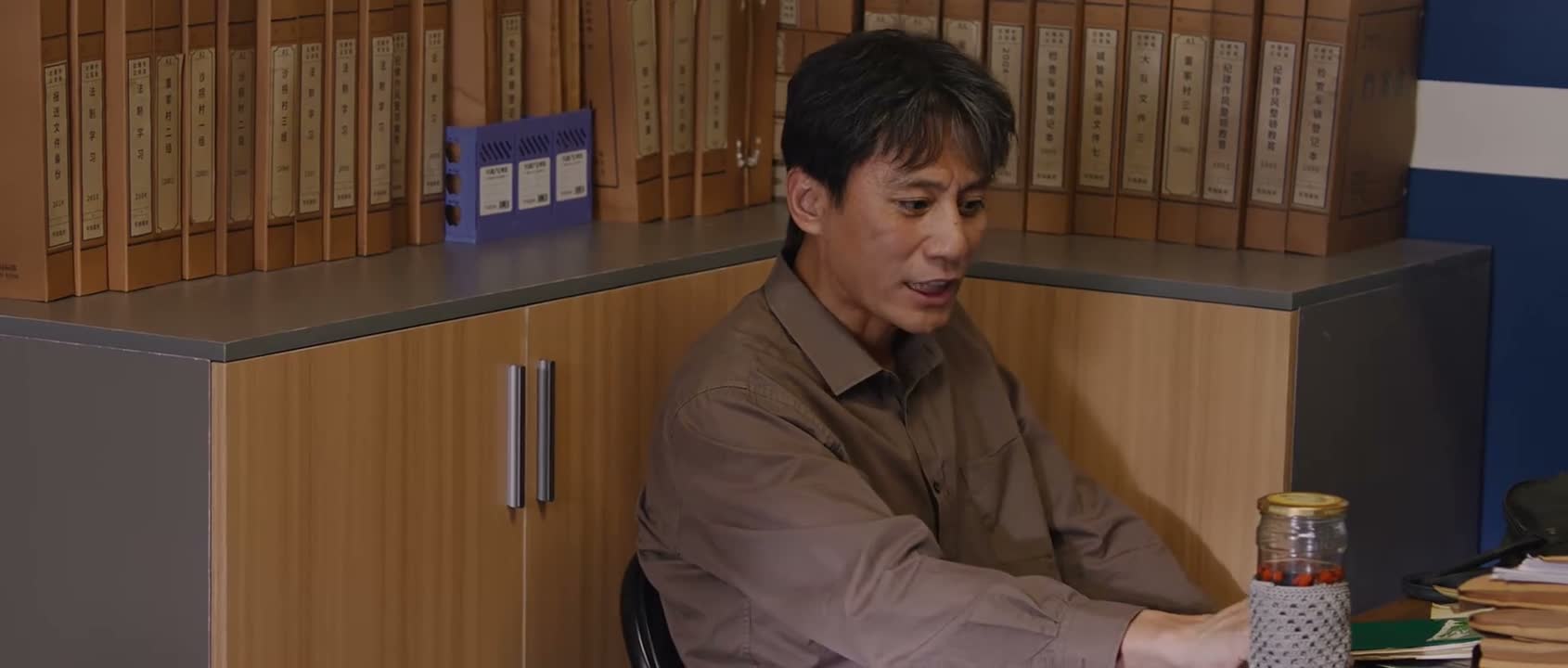
如果一直被甲方这么牵着鼻子走
“If we let the client lead us by the nose like this, how are we supposed to work in the future?”
THE DIALOGUE REEL
我在维护阖旌
“I was defending Hejing.”
如果一直被 甲方 这么 牵着鼻子走
“If we let the client lead us by the nose like this, how are we supposed to work in the future?”
“how are we supposed to work in the future? How can we maintain our standing in this industry?”
“If we keep letting the client push us around without any backbone, we'll ruin our reputation and future in this industry.”
In contemporary Chinese business and workplace contexts, 'jia fang' (Party A) typically refers to the paying client or employer who holds the dominant position, while 'yi fang' (Party B) is the service provider, often in a subordinate, accommodating role. Being 'led by the nose by Party A' reflects a widespread workplace frustration where vendors strive to protect their professional dignity and avoid endless compromises.
LEARNING CHUNKS & PARTICLES
to be led by the nose; a metaphor for being controlled by someone and blindly following their dictates without initiative
Frequently used in passive structures like 'bei... qian zhe bi zi zou' (to be led by the nose by...) to express dissatisfaction and resistance against losing autonomy.
Party A; the party that funds or outlines requirements in a contract, typically the client or employer
Extremely common in modern Chinese workplace culture, often carrying the connotation of a dominant, paying party.