我跟你姓 行啊 李菲同志
“If you can really get me that ticket, I'll take your last name. Deal, Ms. Li Fei.”
THE DIALOGUE REEL
那我也把话放在这儿 你要是真能给我搞到这张票
“Then, mark my words, too. If you can really get me that ticket, I'll take your last name.”
我跟你姓 行啊 李菲同志
“If you can really get me that ticket, I'll take your last name. Deal, Ms. Li Fei.”
“I'll make sure you get your wish.”
“If you actually pull this off, I'll take your last name—there's no way you can do it.”
In Chinese lineage culture, a surname represents family bloodline and honor. Saying one will 'take your surname' implies renouncing one's own family lineage, making it a hyperbolic, extreme wager meaning 'that is utterly impossible'.
Originally a formal political term, it is often playfully used by young people in everyday banter to address friends, creating a humorous, theatrical effect through mock solemnity.
LEARNING CHUNKS & PARTICLES
take your surname
Commonly used colloquially in extreme declarations (e.g., 'If you can pull that off, I'll take your surname') to express absolute disbelief that the other person can do something.
mark my words
Used to emphasize one's absolute certainty and commitment to what was just said, frequently in bets or solemn declarations.
Used to create a mid-sentence pause and enhance a teasing tone ('xing a'), conveying a provocative willingness to accept a challenge.
VOCABULARY & EXPRESSIONS
Parallel Spoken Cinema Scenes (语义近邻切片)

“you said she'd take my name. I didn't think much of it.”

“she would take my last name. I remembered correctly, right?”
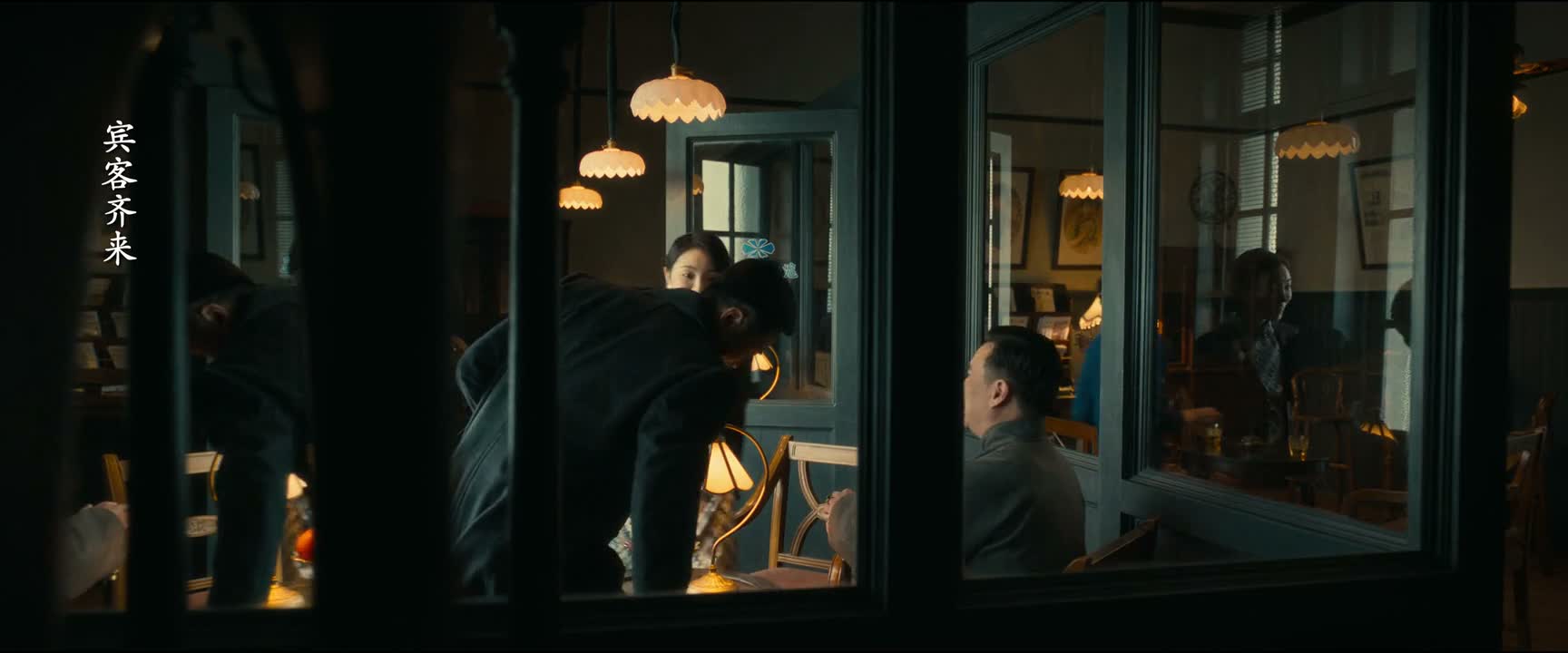
“May I know your name? My surname is Li.”

“My surname is Pei. Just call me Pei.”

“Whose surname are you using? Your mom's? Yeah. I changed it before.”

“You don't have to take my surname. But you've got to change it.”