寒门亦可登庙堂
“and even those from humble origins can ascend to the court.”
THE DIALOGUE REEL
女学遍立州县
“women's schools are established across prefectures and counties,”
寒门亦可登庙堂
“and even those from humble origins can ascend to the court.”
如此功业
“With such accomplishments,”
“Even scholars of humble origin can now enter the imperial court—this is a truly monumental achievement.”
The imperial examination system in ancient China broke the monopoly of powerful aristocratic clans established since the Wei and Jin dynasties. It enabled scholars from impoverished backgrounds ('han men xue zi') to enter the imperial court ('miao tang') through study and civil service, serving as a core mechanism for ancient social mobility and statecraft.
LEARNING CHUNKS & PARTICLES
To enter the imperial court as an official and participate in affairs of state.
A formal and literary term frequent in historical contexts. 'Miao tang' refers metonymically to the imperial court or the central seat of government, often paired in contrast with 'jiang hu' (the common populace or wider world).
An impoverished, humble family background or scholar class.
Used in both classical and modern Chinese. In contemporary usage, it often appears in sayings such as 'han men chu gui zi' (remarkable children emerge from humble origins), referring to the underprivileged grassroots class lacking wealthy connections or resources.
Parallel Spoken Cinema Scenes (语义近邻切片)

“Scholars from poor families never stand a chance.”
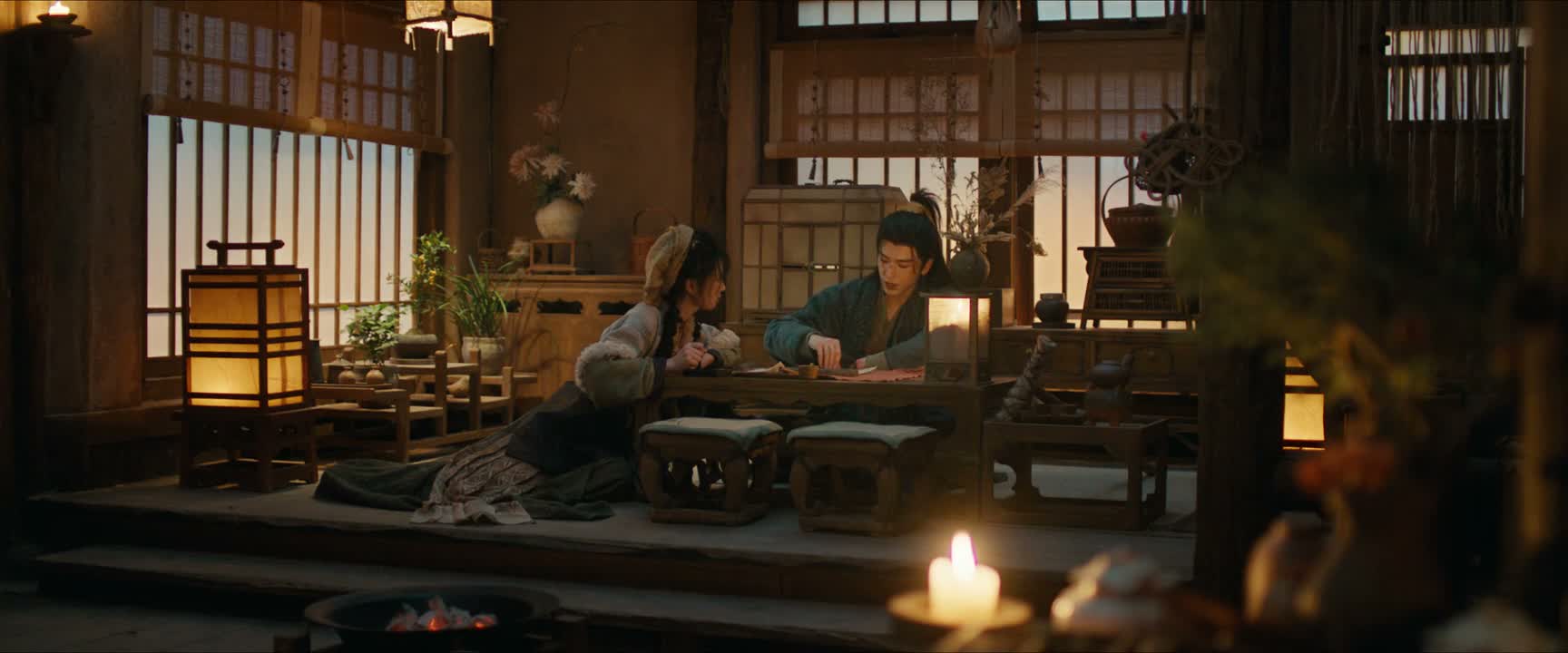
“only the head of the household can appear in court.”
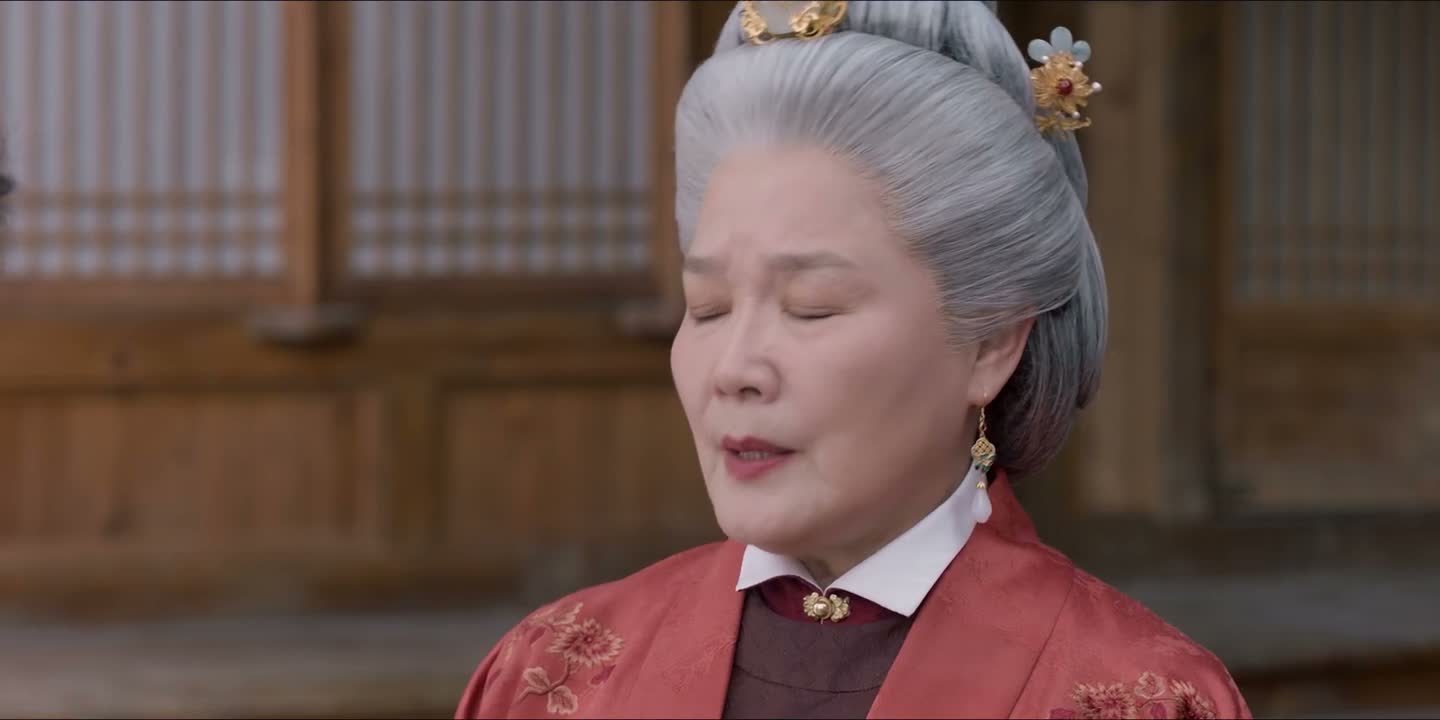
“They're highly prominent.”

“and intimidated the remaining noble houses.”
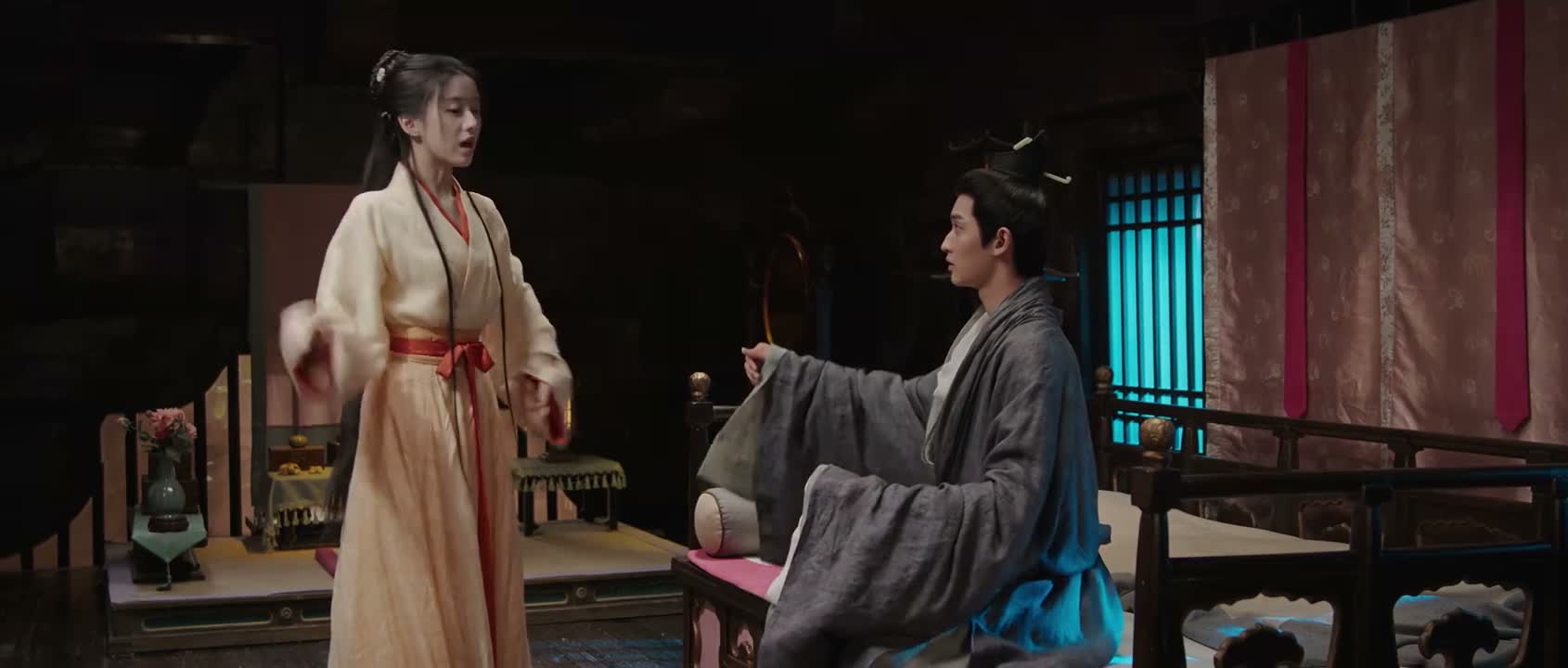
“I'm a disciple of a righteous sect.”
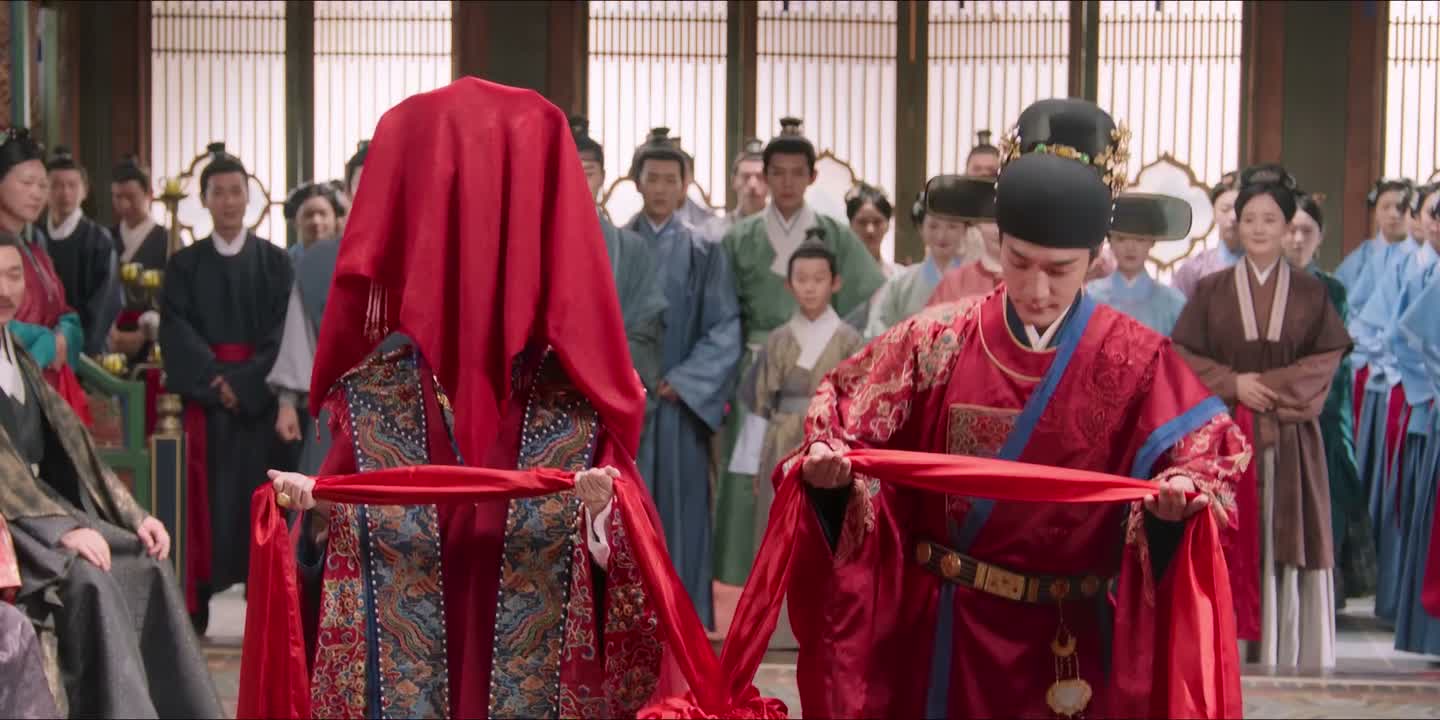
“Bow to parents!”