我名满京城 那些王孙公子为博我一笑
“I'm famous in the capital. Those nobles spend lavishly”
THE DIALOGUE REEL
“just keep it as a token of our acquaintance.”
我 名满京城 那些王孙公子为博我一笑
“I'm famous in the capital. Those nobles spend lavishly”
“I am renowned across the capital; I don't need your petty charity to get by.”
In ancient China, courtesans gifted in both beauty and the arts often enjoyed immense fame and were ardently pursued by powerful elites. This reflects how, despite their status in the pleasure quarters, such women retained strong self-esteem and a scholar-like proud aloofness.
LEARNING CHUNKS & PARTICLES
Famous throughout the entire capital; exceptionally renowned.
Common in written Chinese and historical period dramas to describe celebrated courtesans, luminaries, or scholars of exceptional talent.
Descendants of royalty, aristocracy, or young gentlemen from wealthy, noble families.
Frequently used in historical contexts to refer generally to privileged noble scions and affluent aristocratic youths.
To win a smile from me, often implying spending great effort or wealth to please someone.
An allusive literary expression (akin to the legend of lighting beacon fires to make Lady Bao Si smile), typically used to portray charming women whose allure captivates admirers.
VOCABULARY & EXPRESSIONS
Parallel Spoken Cinema Scenes (语义近邻切片)

“while I failed.”

“Xiaoming is such a good girl. I really like her.”

“Your name will be remembered by everyone in Great Yin”
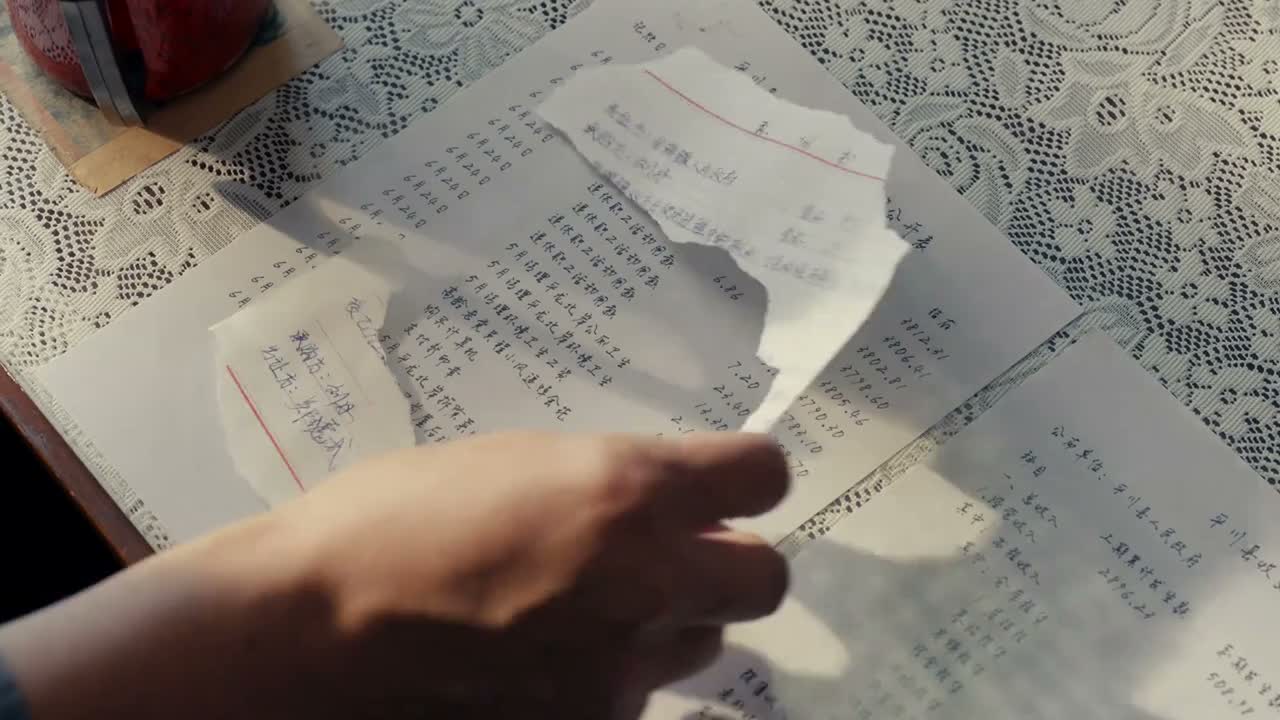
“(Letter of Intent) And his name is here, Zheng Decheng.”

“but you can't even get the name right.”

“[grandmas laugh] [male ghost] You look dashing, young man! Very classy.”