就权当傍身钱 也不枉你我相识一场
“just keep it as a token of our acquaintance.”
THE DIALOGUE REEL
若是想离开香绮楼 便拿它赎身 若是不想
“If you want to leave Xiangqi Pavilion, use it to buy your freedom. If not,”
就 权当 傍身钱 也不 枉你 我 相识一场
“just keep it as a token of our acquaintance.”
“I'm famous in the capital. Those nobles spend lavishly”
“Take it as your safety net; it's the least I can do for you before we part ways.”
In ancient China, courtesans often had unfree legal status. 'Shushen' refers to paying a ransom to regain personal freedom. If one could not buy back their freedom, keeping 'bangshen qian' (personal emergency savings) served as an essential financial safety net for old age or unforeseen emergencies.
LEARNING CHUNKS & PARTICLES
to treat something as; to regard as for the time being
Often used in situations involving settling for a compromise or making a provisional assumption, typically followed by a noun or clause.
emergency savings; money kept on hand for unexpected needs
Commonly seen in traditional narratives or period settings, referring to a personal financial safety net.
not in vain; to be worthwhile
Often paired with phrases like 'yi chang' (an experience) or 'ci xing' (this journey) to convey that an effort or encounter was worth having.
having crossed paths; having known each other
Frequently used during farewells, parting scenes, or when reflecting on the bond of acquaintance between two people.
VOCABULARY & EXPRESSIONS
Parallel Spoken Cinema Scenes (语义近邻切片)
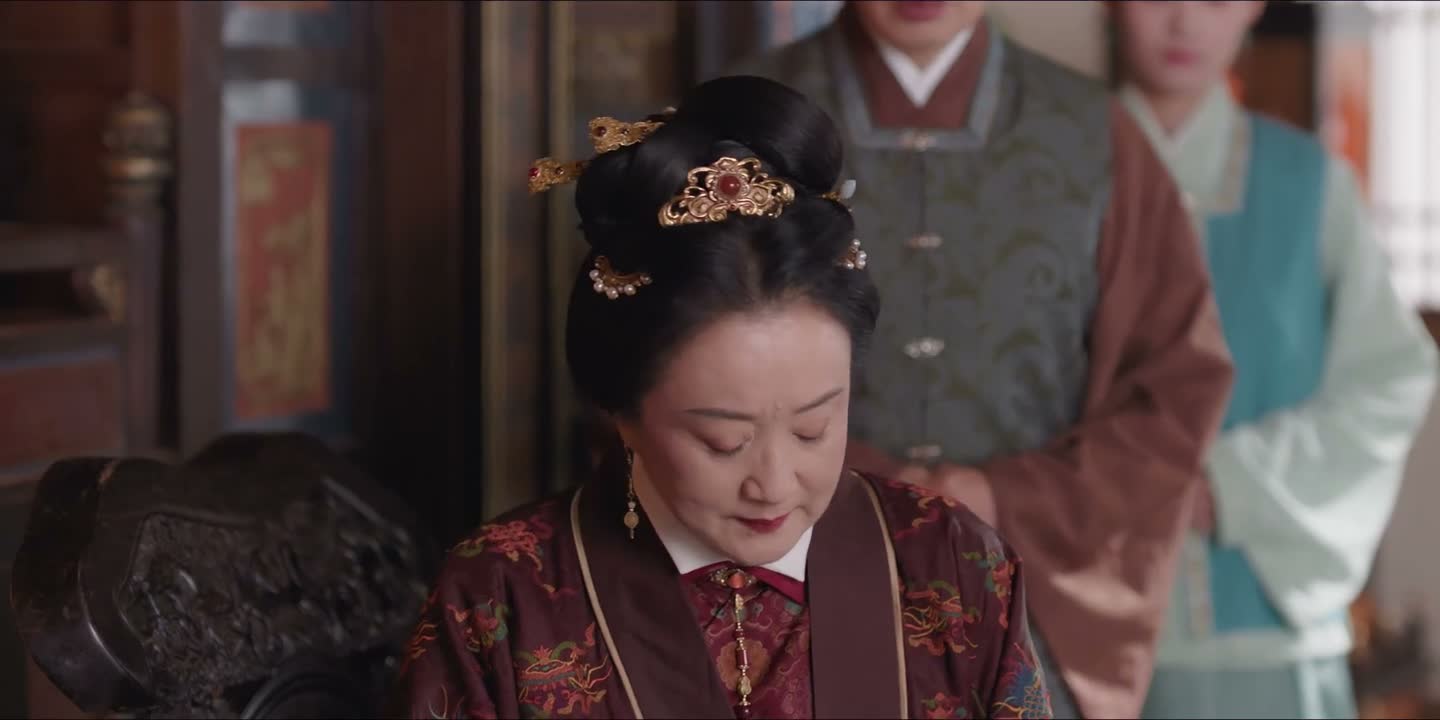
“Just consider them compensation.”
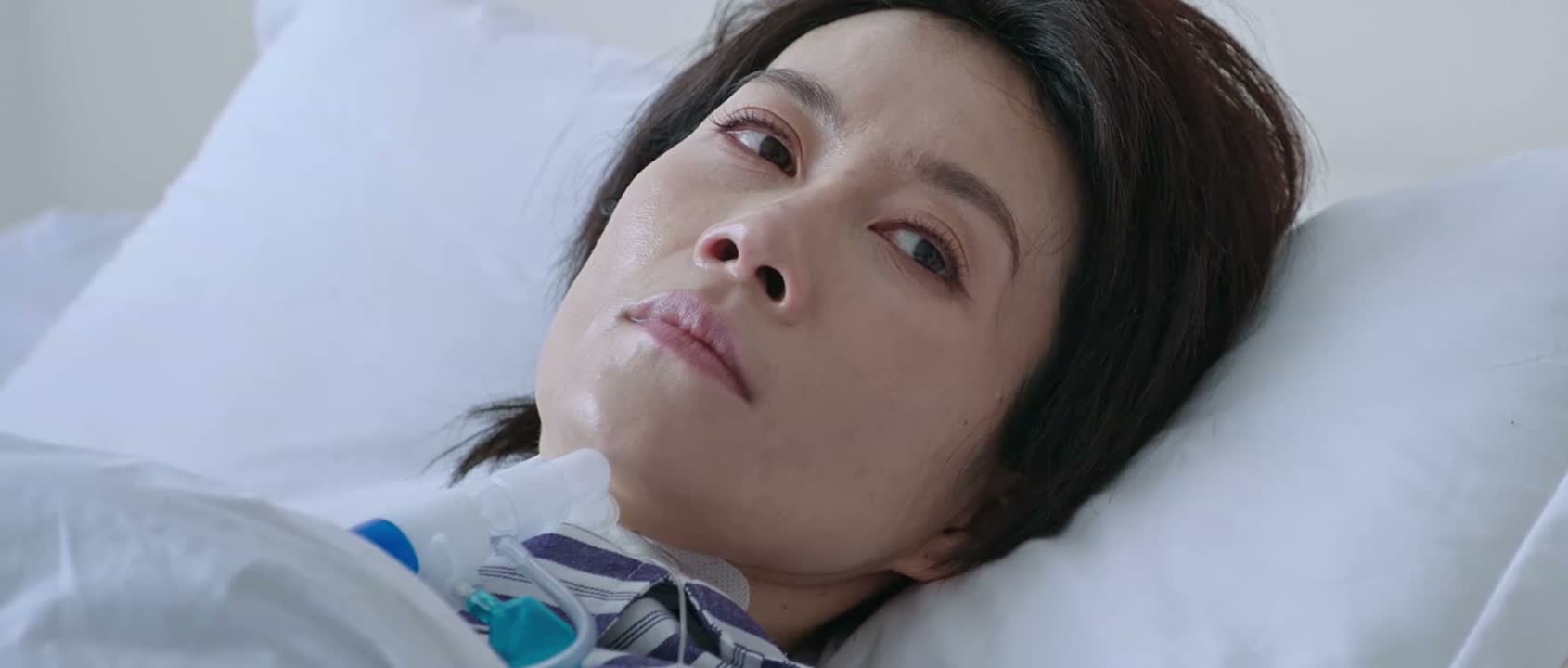
“touch money bought with your lives?”

“No, you haven't. That's why I can't ask for money.”

“so I might as well get something out of it. That way, it's not a total loss.”
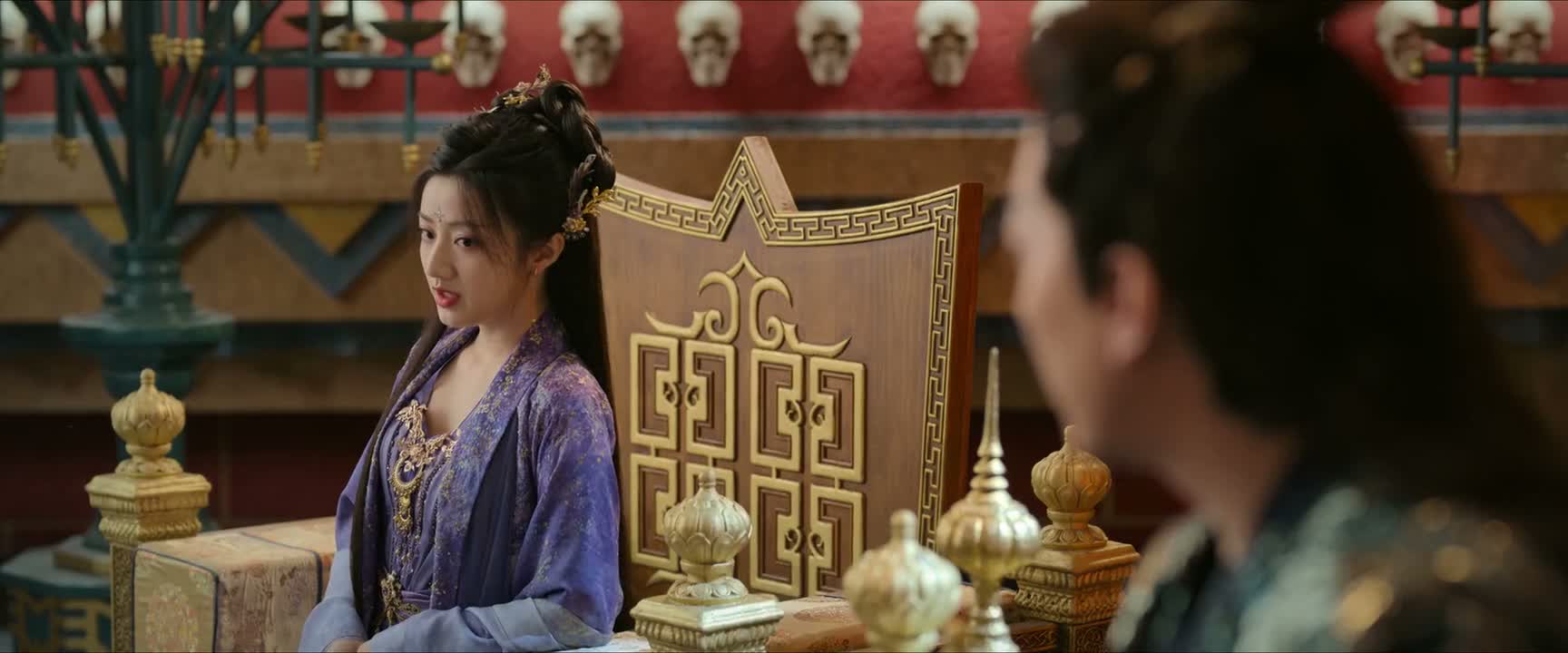
“He should have taken the benefits and left.”
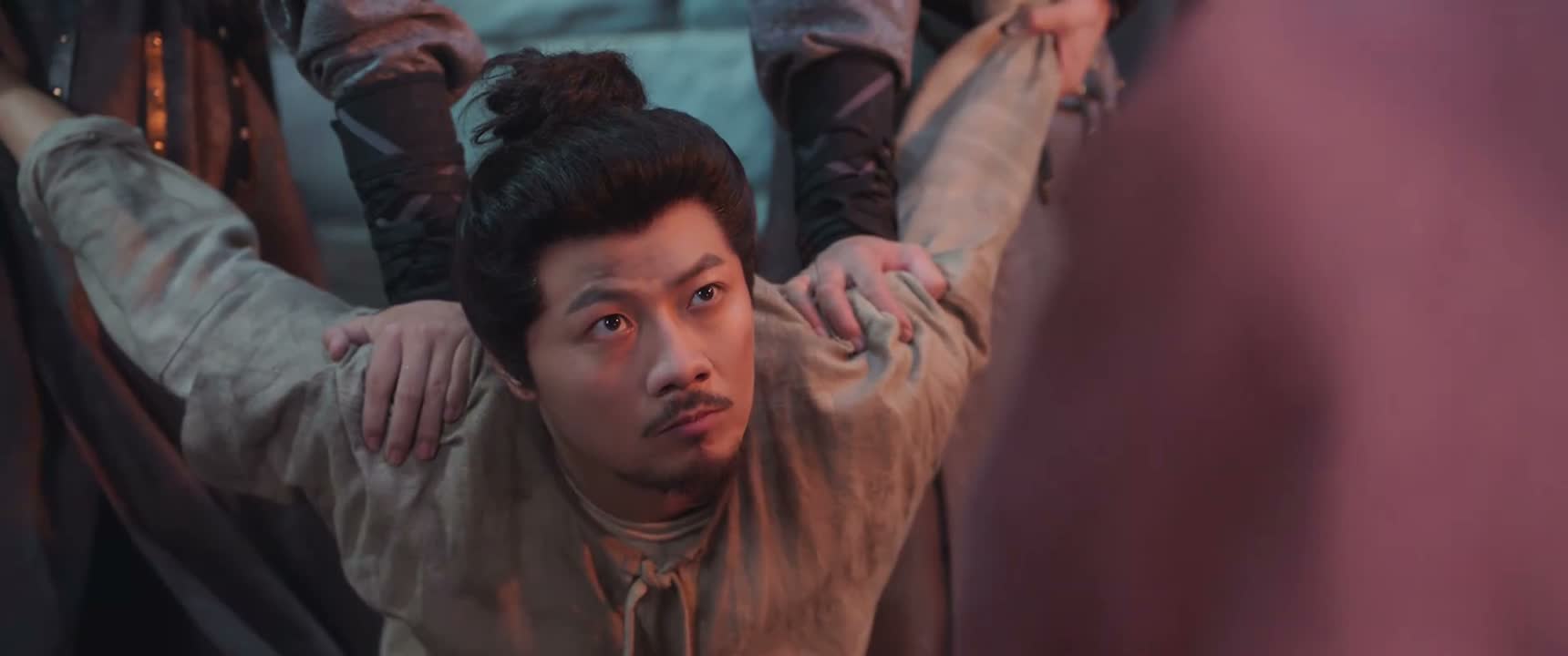
“for the sake of an old acquaintance,”