我以女子之身临朝
“I rule as a woman.”
THE DIALOGUE REEL
无非是因为
“It's simply because”
我 以女子之身临朝
“I rule as a woman.”
自古
“Since ancient times,”
“It is simply because I, a woman, rule the court and hold the reins of power.”
In ancient Chinese feudal protocol, the imperial harem was strictly forbidden from meddling in state affairs ('hougong bu de gan zheng'). However, during an emperor's minority or times of severe political crisis, empresses or empress dowagers would sometimes rule the imperial court as regents ('linchao chengzhi')—most famously Empress Lu in the Han dynasty, Wu Zetian in the Tang dynasty, and Empress Dowager Cixi in the Qing dynasty. Such female rule inevitably faced fierce resistance from orthodox Confucian ethics and patriarchal challenges from male court officials.
LEARNING CHUNKS & PARTICLES
in the capacity, physical condition, or status of...
A formal and classical sentence pattern often found in literature and historical dramas, used to highlight a subject's specific identity, physical state, or unique circumstance.
to preside over court and govern the realm (especially as a female regent)
A historical political term used in period dramas referring specifically to an emperor or regent empress dowager personally attending court to administer state affairs.
VOCABULARY & EXPRESSIONS
Parallel Spoken Cinema Scenes (语义近邻切片)

“that she is not the only player in this imperial court.”

“I joined the court to make a name for myself.”
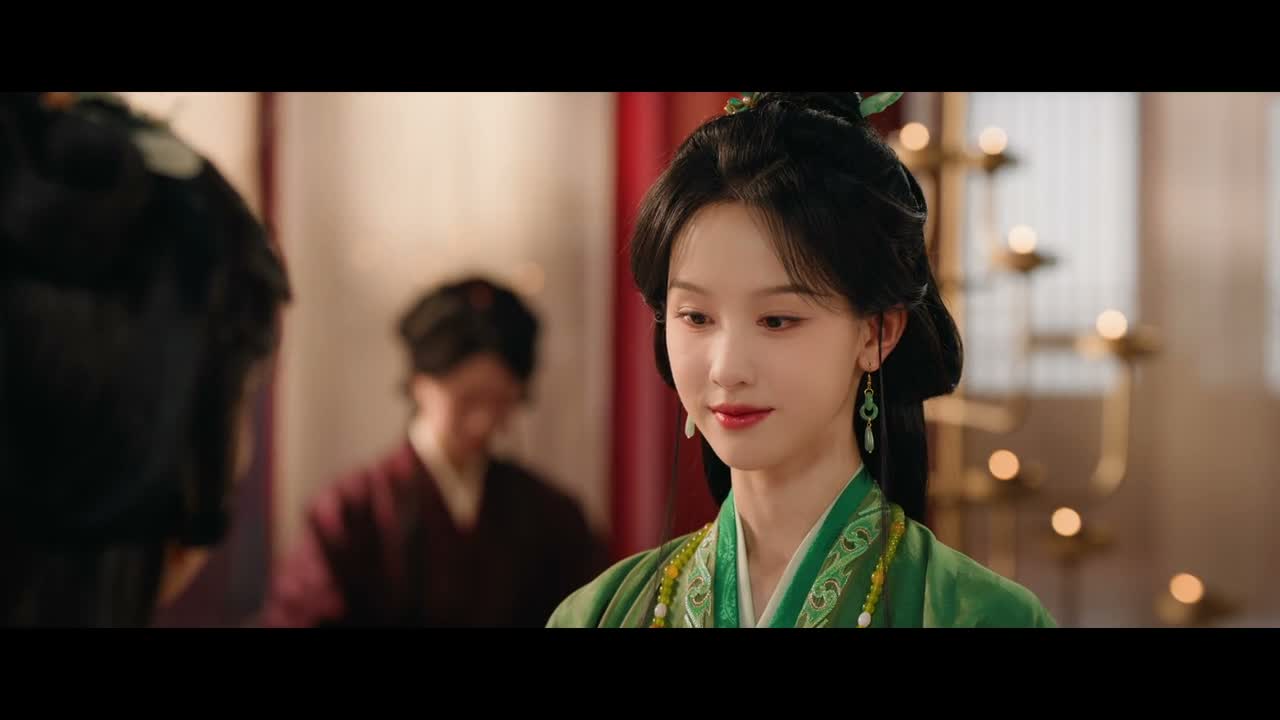
“I must rally every available ally to hold the court for me.”

“Her Majesty now holds absolute power and is at the height of her influence.”

“We can't let her be alone in the court, fighting a lone battle, right?”

“my family got convicted, and I was sent to the palace as a eunuch.”