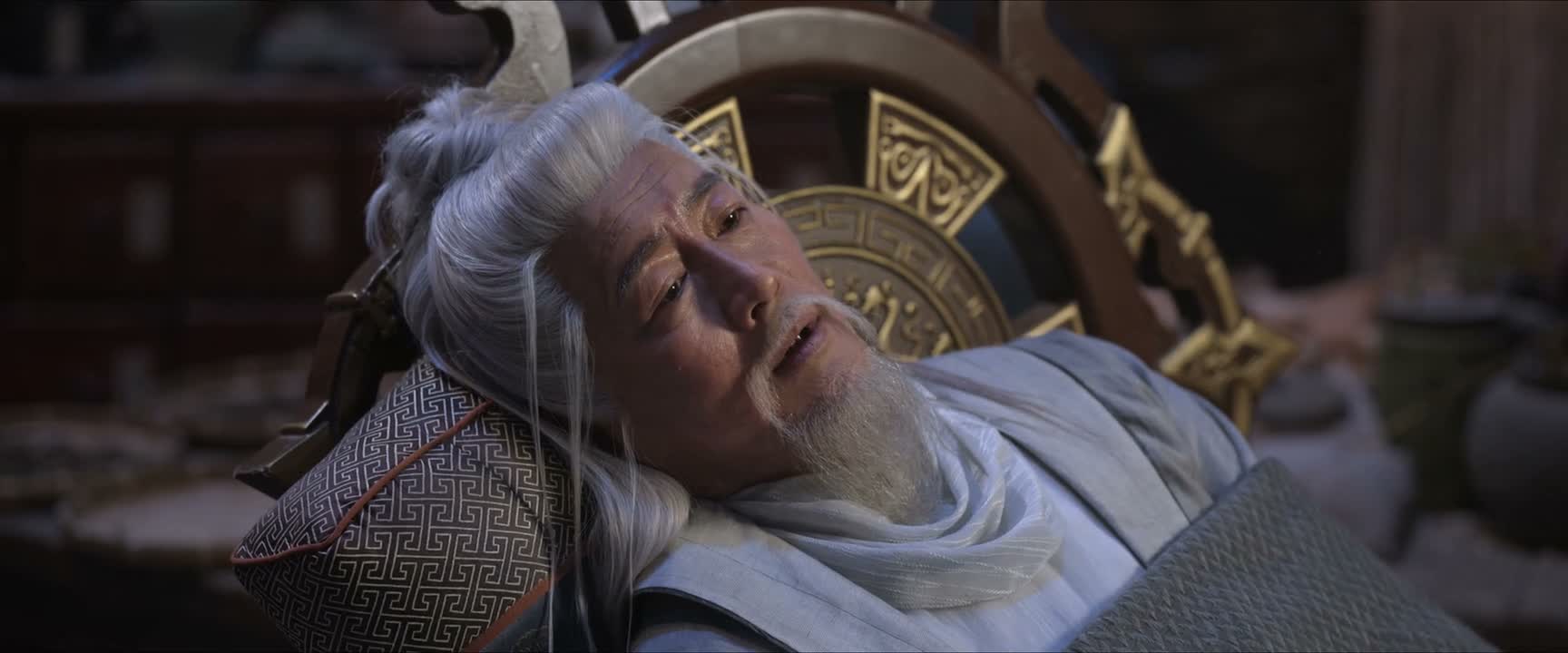
终究独行其道
“(in the end, each walks their own way,)”
THE DIALOGUE REEL
纵有通衢
“(Even with wide roads,)”
终究 独行其道
“(in the end, each walks their own way,)”
各渡其劫
“(enduring one's own trials.)”
“No matter how broad the path or companionable the journey, everyone must ultimately walk alone and face their own trials.”
Rooted in Daoist philosophy, cultivation lore, and Eastern views on life and death, traditional Chinese thought often compares life to spiritual cultivation ('xiuxing'). Every hardship or trial is seen as a tribulation ('jie') that an individual must ultimately endure and overcome alone, as no one else can take their place.
LEARNING CHUNKS & PARTICLES
to walk one's own path alone; to act according to one's own principles
A formal, literary idiom often used to describe resisting conformity, confronting one's destiny in solitude, or accepting that people have fundamentally different paths.
even if... in the end...; no matter what..., ultimately...
An advanced concessive-adversative pattern used to emphasize that despite certain conditions or efforts, an inevitable outcome cannot be altered, often conveying a sense of fatalism or helplessness.