没想到搞砸了
“but I messed it up.”
THE DIALOGUE REEL
本来想给你弄点吃的
“I was trying to cook something for you,”
没想到 搞砸了
“but I messed it up.”
喂
“Hello?”
“I'm so sorry, I totally messed it up.”
In Chinese interpersonal relationships (especially between couples, friends, or family members), taking the initiative to cook for someone is a common way to express care, thoughtfulness, and emotional closeness.
LEARNING CHUNKS & PARTICLES
messed up; ruined something
A highly frequent colloquial expression, often used to admit a mistake or make a self-deprecating remark when something goes wrong; equivalent to 'screwed up' or 'messed up'.
did not expect; unexpectedly
Often placed at the beginning of a clause to introduce an unexpected or unwelcome outcome.
Functions as a sentence-final particle indicating a change of state or a newly realized situation, often carrying a sense of helplessness.
VOCABULARY & EXPRESSIONS
Parallel Spoken Cinema Scenes (语义近邻切片)

“Didn't expect it to turn out like this.”
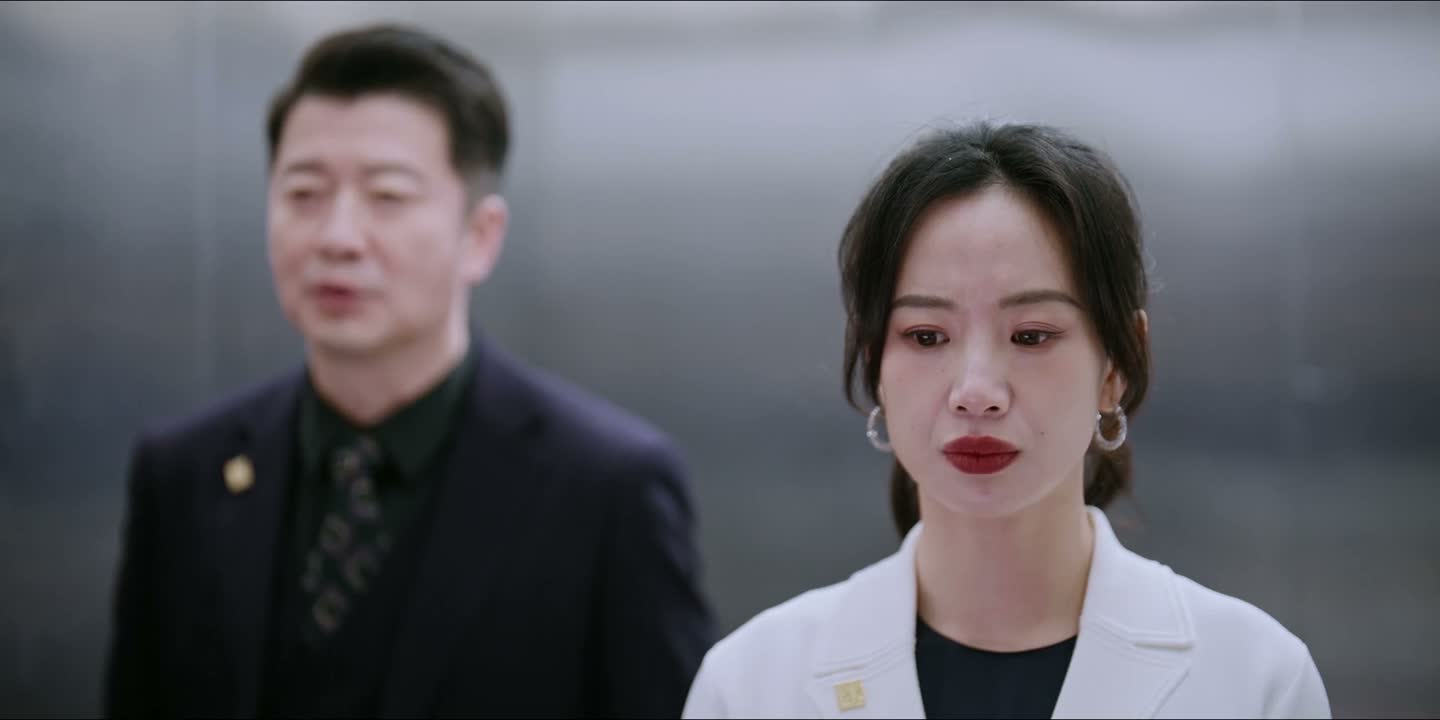
“Now that things are messed up,”

“But I ruined everything.”
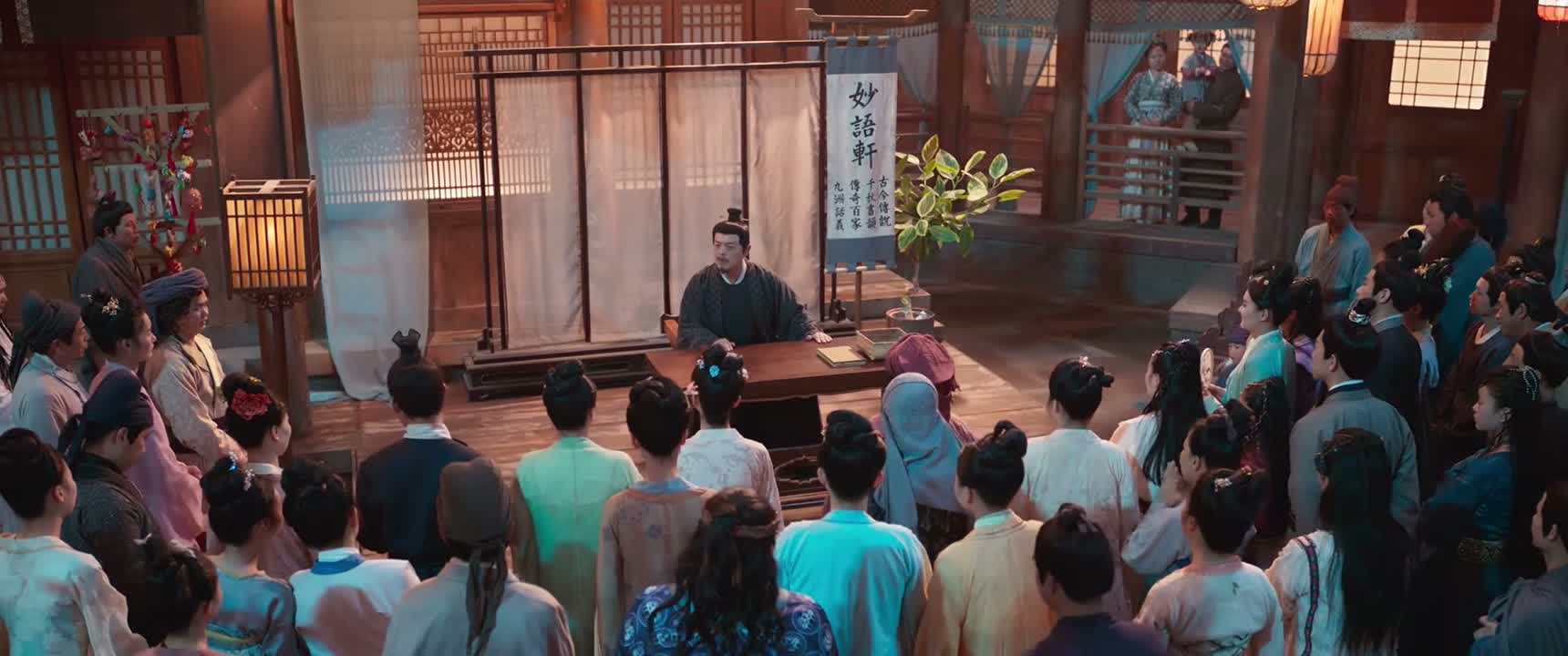
“(Miaoyu Pavilion) and without meaning to,”