你这脸色怎么回事
“Why are you looking like this?”
THE DIALOGUE REEL
那我就都拿走了
“I'll take them all then, okay?”
你这脸色 怎么回事
“Why are you looking like this?”
你过来 来
“Come over here.”
“What's wrong with you? You don't look good at all.”
Chinese people traditionally observe someone's 'lian se' (facial complexion or expression) to judge their health condition or mood shifts, using it as a conversational entry point to express care.
LEARNING CHUNKS & PARTICLES
what's going on / what happened / why is this
An extremely high-frequency colloquial expression used to inquire about sudden events, find the reason behind an abnormality, or convey confusion and concern.
facial complexion / countenance
Often paired with words like 'hao kan' (good), 'nan kan' (bad/unwell), or 'cha' (poor) to describe a person's physical health or emotional state.
VOCABULARY & EXPRESSIONS
Parallel Spoken Cinema Scenes (语义近邻切片)

“You look troubled. What is it?”

“Why do you look so pale?”
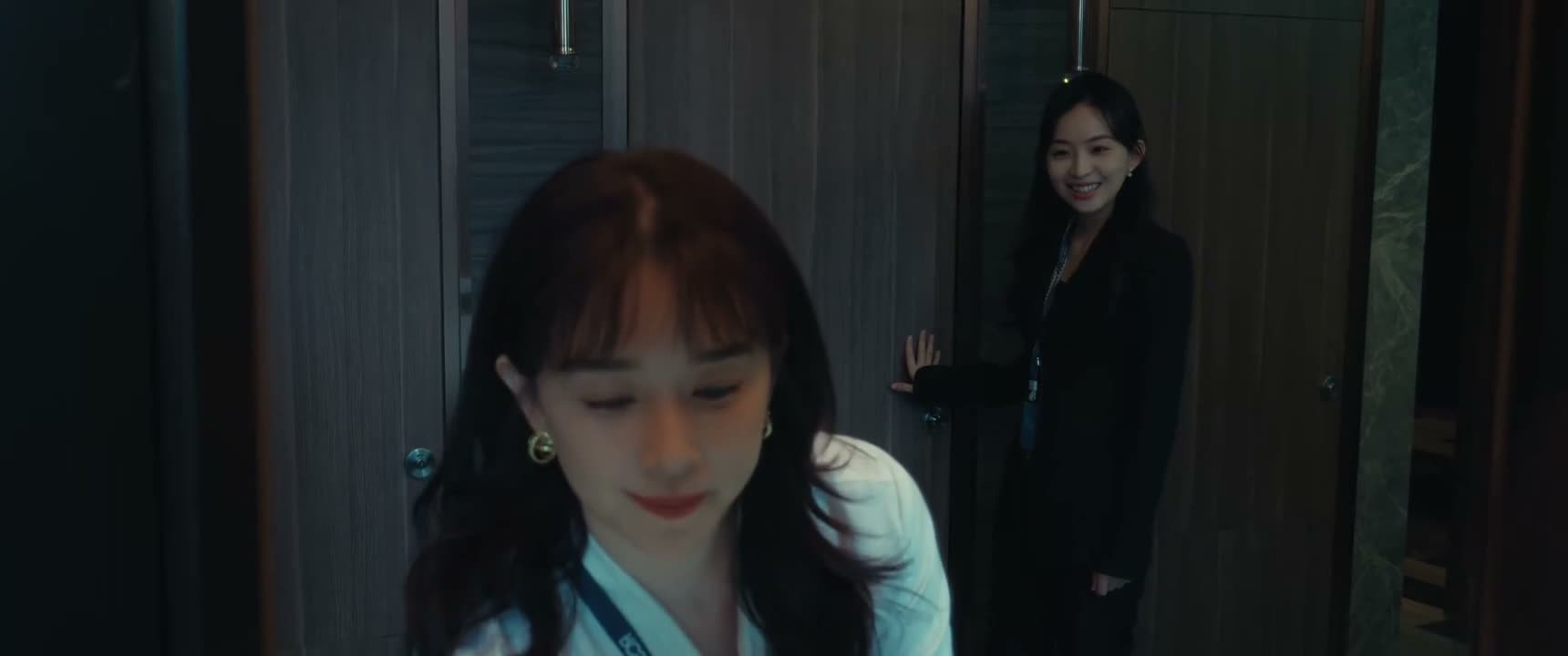
“You look great.”

“why do you look so gloomy?”

“How did your face get so tan?”