没行头咋演啊 咋没有啊
“We don't have the costumes. We do.”
THE DIALOGUE REEL
那孟良和焦赞在城里呢
“Meng Liang and Jiao Zan are in town.”
没行头咋演 啊 咋没有 啊
“We don't have the costumes. We do.”
“Those old things were kept safe by us old folks.”
“How can we stage a play without the costumes? Of course we have them—don't worry at all.”
A specialized term in traditional Chinese opera referring to a complete set of performance costumes and props. Opera troupes consider xingtou their livelihood, strictly observing the rule 'ning chuan po, bu chuan cuo' (better to wear worn-out gear than the wrong gear).
Two famous sworn brotherhood generals from the Generals of the Yang Family legends, who frequently appear together as an inseparable pair in traditional opera.
LEARNING CHUNKS & PARTICLES
costumes, headgear, and accessories worn by traditional opera performers; colloquially refers to an outfit, gear, or attire
Originating as traditional opera jargon, it is commonly used playfully or vividly in modern speech to denote the full set of outfit or gear required for an activity or profession.
how / why / how come (dialectal colloquialism)
A very common colloquial pattern in Northern dialects, equivalent to standard 'zenme... a', used to inquire about manner or reason, or to pose a rhetorical question.
Placed at the end of questions or rhetorical questions to enhance the colloquial feel and rhetorical tone.
VOCABULARY & EXPRESSIONS
Parallel Spoken Cinema Scenes (语义近邻切片)

“How could I not step in? The higher-ups know”

“when it comes down to it, he didn't do anything wrong.”
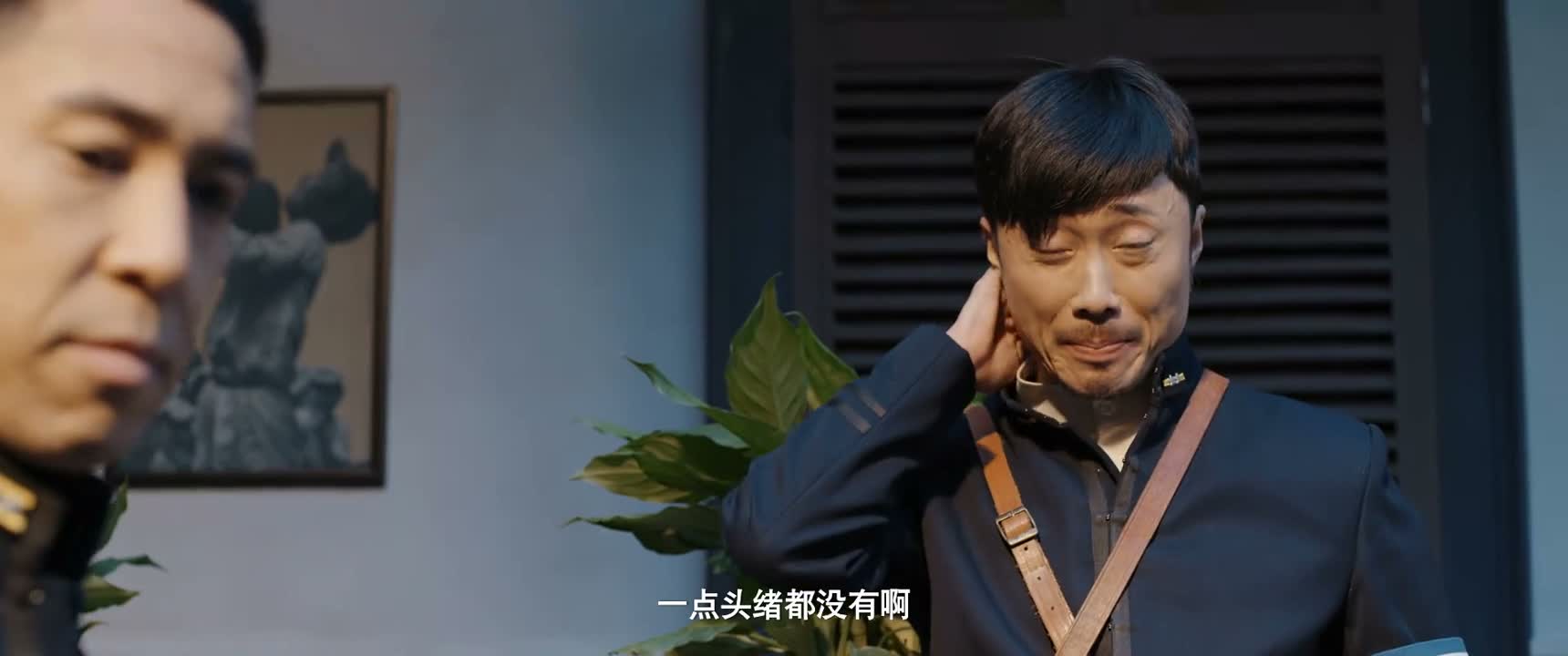
“We have no leads at all.”
“I can't do it. I don't know anything. Look at them.”

“♪ What kind of story will you like? ♪ Anything works. I just want to take a look.”

“You can't just leave! You owe us an explanation!”